Essential Guide to Wood Cane Feet for Beginners
Want to master wood cane feet? Explore our step-by-step guide covering essential techniques, practical checklists, and expert best practices.

Want to master wood cane feet? Explore our step-by-step guide covering essential techniques, practical checklists, and expert best practices.
Want to master metal cane feet? Explore our step-by-step guide covering essential techniques, practical checklists, and expert best practices.
Want to master rubber cane feet? Explore our step-by-step guide covering essential techniques, practical checklists, and expert best practices.
Want to master cane foot material types? Explore our step-by-step guide covering essential techniques, practical checklists, and expert best practices.
Want to master cane feet types? Explore our step-by-step guide covering essential techniques, practical checklists, and expert best practices.
Short answer: a cane can help after a mild-to-moderate ankle sprain once you can put most of your weight on the foot. Hold it in the hand opposite the sprained ankle and move it forward with that foot. If you can't put weight on the ankle at all, use crutches instead, and get the ankle checked to rule out a…
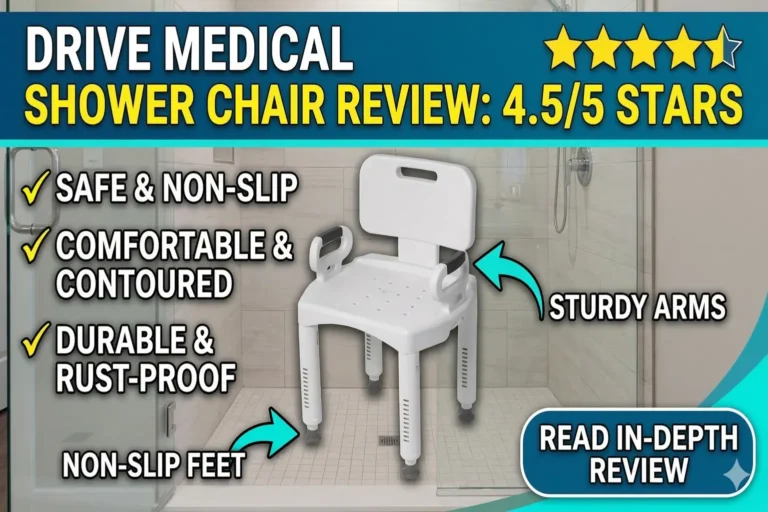
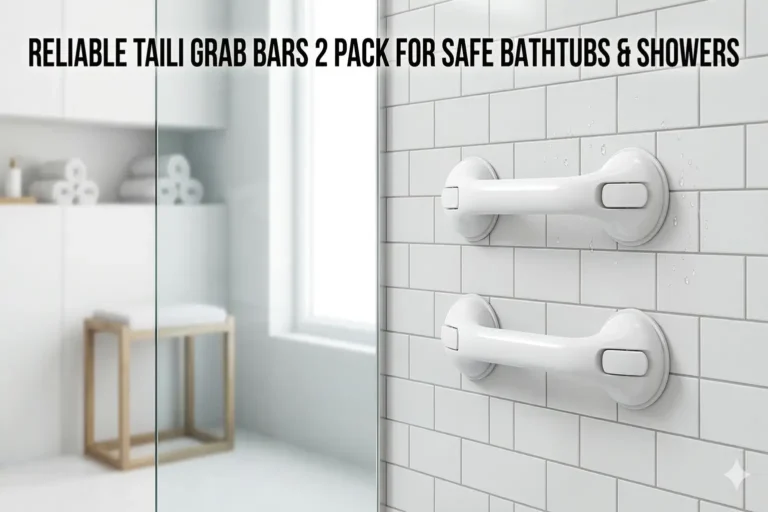
Short answer: fit proper grab bars by the toilet and shower, use non-slip mats, and sit on a shower chair or bath bench instead of standing. Keep your cane just outside the shower where you can reach it, and never lean on a towel rail, sink or soap dish for support. Those aren't built to hold your weight. The bathroom…
Short answer: a cane can help many people with MS walk further and more safely, especially with mild weakness in one leg, balance problems or fatigue. Choose a lightweight, adjustable cane with a comfortable grip, and consider a folding one for bad days. Because MS symptoms change, review your mobility aid regularly with your MS team or a physical therapist.…
Short answer: clear the floors (no loose rugs, cords or clutter), add light (especially at night and on stairs), put handrails on both sides of the stairs, install grab bars in the bathroom, and keep the things you use every day between waist and shoulder height. Go room by room with the checklist below. Most falls happen at home, in…
Want to master walking cane types? Explore our step-by-step guide covering essential techniques, practical checklists, and expert best practices.