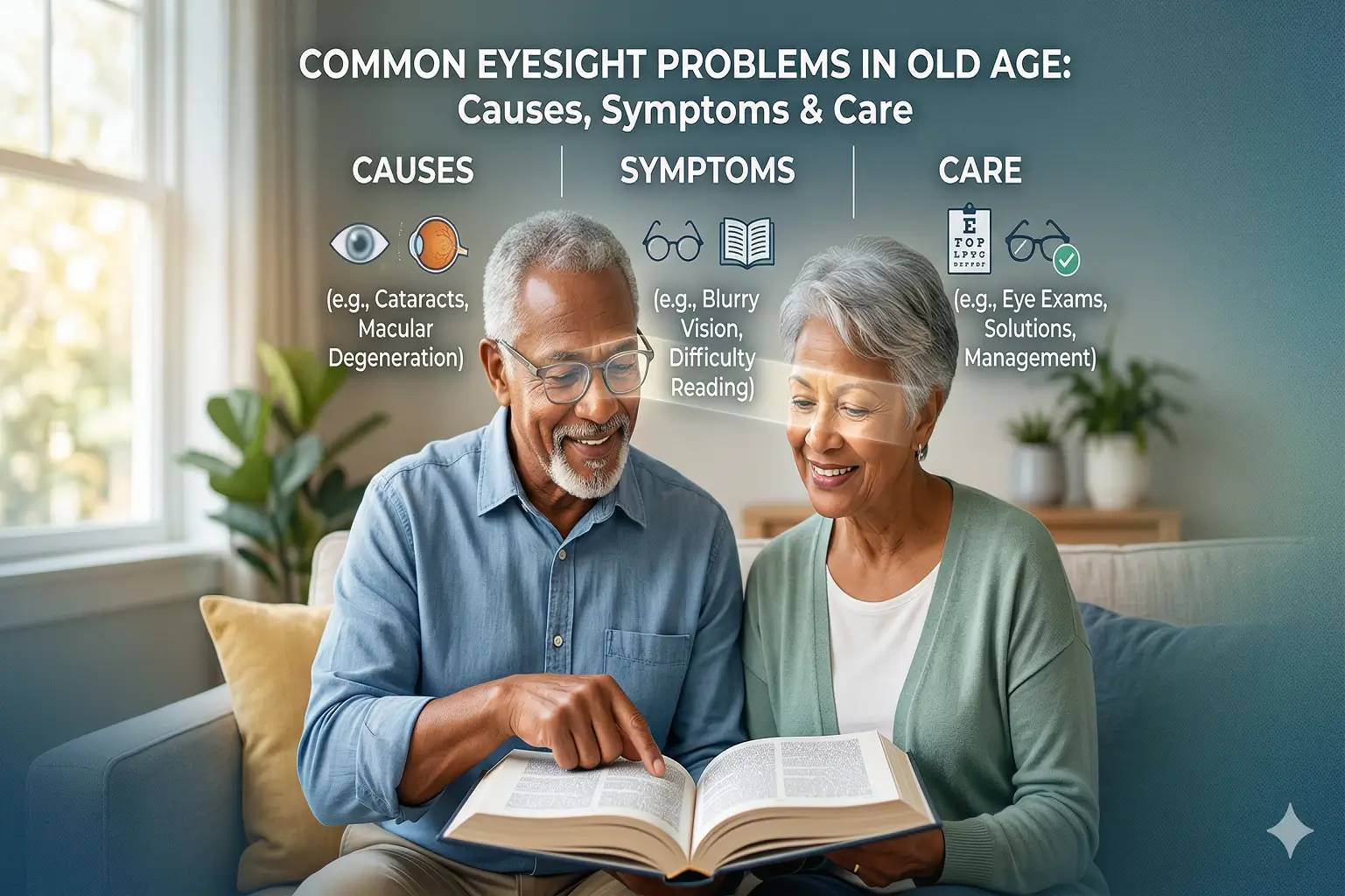
As people get older, many changes happen in the body. One of the most common and often overlooked is the decline in eyesight. Good vision is important for enjoying life, staying independent, and keeping safe. But as the years pass, even people who never needed glasses before may start noticing problems with their eyes. Understanding the causes, symptoms, and treatments for eyesight problems in old age can help seniors and their families take action early and maintain better eye health.
Why Does Eyesight Get Worse With Age?
The human eye is a complex organ, and just like the rest of the body, it experiences wear and tear over time. The lens becomes less flexible, the muscles around the eye weaken, and the cells that help process light may die or stop working well. These changes can lead to a variety of eye problems. Also, older adults are more likely to have health issues such as diabetes and high blood pressure, which can affect vision.
One key point many people miss is that some changes in vision are normal, but sudden or severe changes are not. For example, needing more light to read or having trouble seeing things up close is common. But seeing flashes of light, sudden blurriness, or loss of vision may signal a serious problem.
Common Eyesight Problems In Old Age
Several eye conditions become more likely as people age. Some are minor and easy to treat, while others can cause permanent vision loss if not managed quickly.
1. Presbyopia
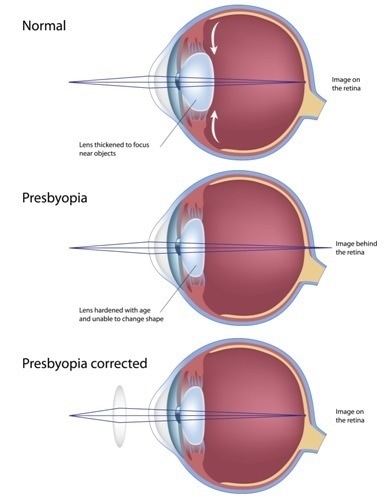
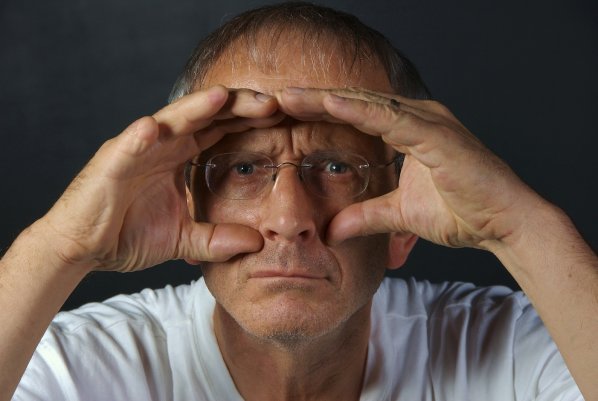
Presbyopia is the loss of the eye’s ability to focus on nearby objects. Most people first notice this in their 40s or 50s, but it gets worse with age. Reading small print or threading a needle may become difficult. Reading glasses or bifocals often solve the problem.
2. Cataracts
Cataracts are when the lens of the eye becomes cloudy, making vision blurry or dim. Cataracts develop slowly and are very common in older adults. By age 80, more than half of Americans have a cataract or have had cataract surgery. Symptoms include faded colors, glare, and double vision. Surgery to replace the cloudy lens with a clear one is very successful.
AMD affects the macula, the part of the retina responsible for sharp, central vision. It is the leading cause of vision loss in people over 60. There are two types: dry (more common) and wet (more serious). Early signs are blurry vision and trouble seeing fine details. While there is no cure, some treatments can slow progress.
4. Glaucoma
Glaucoma damages the optic nerve, usually due to high pressure in the eye. It often has no symptoms until vision loss begins. If not treated, glaucoma can cause permanent blindness. Regular eye exams are critical because early detection can prevent serious damage. Eye drops, pills, or surgery may be needed.
5. Diabetic Retinopathy
People with diabetes are at risk for diabetic retinopathy, which damages the blood vessels in the retina. At first, there may be no symptoms, but over time, vision can become blurry or spotty. Keeping blood sugar under control and having regular eye exams can help protect vision.
6. Dry Eyes
Older adults often produce fewer tears, leading to dry eyes. This can cause discomfort, burning, or a gritty feeling. Severe dryness can damage the eye’s surface. Artificial tears and special eye drops can provide relief.
7. Floaters And Flashes
Seeing small spots (floaters) or brief flashes of light is common as people age. Most floaters are harmless, but a sudden increase may signal a retinal detachment, which is an emergency.
8. Low Vision
Low vision means eyesight can’t be corrected with glasses, contact lenses, or surgery. This can make daily activities very difficult. Low vision aids, such as magnifiers and special lighting, can help.
9. Retinal Detachment
This happens when the retina pulls away from the back of the eye. Symptoms include sudden loss of vision, flashes, or a shadow over part of the field of view. Retinal detachment is a medical emergency and needs treatment right away.
10. Vision Changes Due To Medications
Some medicines, especially those for heart disease, arthritis, and depression, can cause vision problems as a side effect. Always tell your eye doctor about all the medicines you take.
Credit: www.news-medical.net
Signs And Symptoms To Watch For
It’s important to know the warning signs of serious eye problems. While gradual changes are expected, some symptoms need urgent attention:
- Sudden loss of vision in one or both eyes
- Sudden double vision
- Seeing flashes of light or many new floaters
- Redness or pain in the eye
- Loss of side (peripheral) vision
If you notice any of these, contact an eye doctor as soon as possible.
How Eyesight Problems Affect Daily Life
Poor vision can make everyday tasks harder, including reading, cooking, driving, and walking safely. Falls are a major risk for older people with vision loss. Many seniors may withdraw from social activities because they feel less confident or worry about accidents.
This can lead to depression or loneliness.
Here’s a look at how common eye problems affect daily activities:
| Eye Condition | Impact on Daily Life |
|---|---|
| Presbyopia | Trouble reading small print or seeing close objects |
| Cataracts | Blurry vision, sensitivity to light, trouble driving at night |
| AMD | Difficulty recognizing faces, reading, or seeing details |
| Glaucoma | Loss of side vision, bumping into objects |
| Dry Eyes | Discomfort, irritation, frequent blinking |
Diagnosis: How Eye Problems Are Found
Regular eye exams are the best way to catch problems early. Even if you have no symptoms, adults over 60 should see an eye doctor every one to two years. During an exam, the doctor will check your vision, look at the back of your eye (retina), measure the pressure in your eyes, and test for other problems.
Sometimes, more tests are needed, such as:
- Dilated eye exam: Drops are used to widen your pupils, so the doctor can see the inside of your eye better.
- Optical coherence tomography (OCT): A scan that gives detailed images of the retina.
- Visual field test: Checks for loss of side vision, which is important for glaucoma.
Here’s a comparison of some common eye tests:
| Test Name | What It Checks | Who Needs It |
|---|---|---|
| Visual Acuity | How well you see at different distances | Everyone |
| Tonometry | Eye pressure (for glaucoma) | Adults over 40, people at risk |
| Dilated Eye Exam | Health of retina and optic nerve | Adults over 60, diabetics |
Treatment Options For Eyesight Problems
Treatment depends on the cause of the vision problem. Some can be managed with glasses or simple eye drops, while others need surgery or special procedures.
Glasses And Contact Lenses
For most age-related changes, such as presbyopia, glasses or contact lenses can help. These correct the way light enters the eye so you can see clearly.
Medications
Eye drops are often used to treat glaucoma and dry eyes. If you have an infection or inflammation, your doctor may prescribe antibiotics or steroids.
Surgery
Some eye problems, like cataracts, are best treated with surgery. This is a safe and common procedure, with more than 3 million cataract surgeries done each year in the United States. Surgery may also be needed for retinal detachment or some cases of glaucoma.
Laser Treatments
Laser therapy can be used for certain types of glaucoma, diabetic retinopathy, and wet AMD. It works by sealing off leaking blood vessels or removing abnormal tissue.
Low Vision Aids
When vision cannot be fully restored, special tools can help. These include:
- Magnifying glasses
- Large-print books
- Talking clocks and watches
- Brighter lighting
Lifestyle Changes
Quitting smoking, controlling blood sugar, and eating a diet rich in leafy greens, fish, and fruits can protect your eyes. Wearing sunglasses that block UV light is also important.
Credit: www.kinglasik.com
Preventing Eyesight Problems In Old Age
While not all vision loss can be prevented, there are steps you can take to lower your risk or slow down problems.
- Have regular eye exams even if you feel fine.
- Control chronic diseases like diabetes and high blood pressure.
- Eat a healthy diet with lots of green vegetables, carrots, and fish.
- Wear sunglasses that block UV rays when outside.
- Quit smoking or never start.
- Exercise regularly to keep blood flowing to your eyes.
- Manage medications and talk to your doctor about any side effects.
- Protect your eyes from injury by wearing safety glasses when needed.
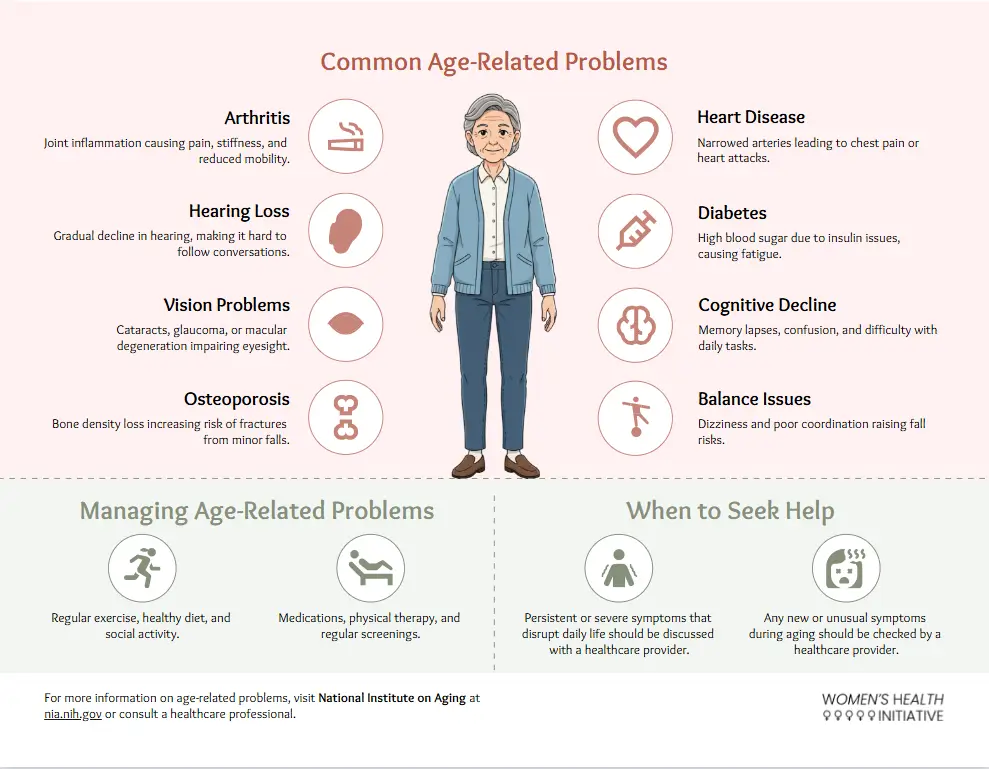
A fact many people don’t realize: eye health and overall health are closely linked. For example, people with heart disease are more likely to develop AMD. Keeping your whole body healthy supports your eyes.
When To See An Eye Doctor
Don’t wait until you have vision trouble. Seniors should see an eye doctor every 1-2 years, or more often if you have diabetes, high blood pressure, or a family history of eye disease. If you notice any sudden changes, seek help right away.
Here’s a quick guide:
| Situation | What to Do |
|---|---|
| Gradual vision changes | Schedule a routine exam |
| Sudden vision loss, flashes, pain | See a doctor immediately |
| Blurry vision with diabetes | Get checked soon |
Credit: www.crystalrunhealthcare.com
Supporting Seniors With Vision Loss
If you or a loved one is struggling with vision loss, there is help available. Many communities offer low vision clinics, support groups, and training for daily skills. Making simple changes at home, like using bright lights, high-contrast colors, and keeping walkways clear, can make a big difference.
Families should encourage older adults to stay active and social. Regular visits, reading aloud, or helping with appointments can make seniors feel less alone.
One more insight: Mental health matters. People with vision loss are at higher risk for depression. Talking to a counselor or joining a support group can help.
For more in-depth information on age-related eye diseases, visit the National Eye Institute.
Frequently Asked Questions
What Is The Most Common Eyesight Problem In Old Age?
The most common problem is presbyopia, which makes it hard to see things up close. Cataracts are also very common and can make vision cloudy.
Can Eyesight Loss In Old Age Be Reversed?
Some causes, like cataracts, can often be fixed with surgery. Others, like AMD and glaucoma, can be slowed but not fully reversed. Early treatment gives the best chance to keep good vision.
How Can I Protect My Eyes As I Get Older?
Have regular eye exams, eat a healthy diet, control chronic diseases, wear sunglasses, and don’t smoke. These steps lower your risk of serious eye problems.
Are Floaters And Flashes Normal In Old Age?
Some floaters are normal, but a sudden increase or flashes of light can be a sign of retinal detachment. See an eye doctor right away if this happens.
How Often Should Seniors Have Eye Exams?
Adults over 60 should have an eye exam every 1-2 years. People with diabetes or other risk factors may need more frequent checks.
Vision is precious, and age-related eyesight problems do not have to mean the end of independence or enjoyment. With regular care, healthy habits, and support, seniors can keep their eyes working well for many years.

Tariqul
Tariqul is a dedicated health and wellness blogger with a background in health sciences. With years of experience in patient education and health communication, he focuses on providing accurate, easy-to-understand information to help readers make informed decisions about their well-being. Passionate about bridging the gap between clinical knowledge and everyday life, Tariqu ensures his content is both practical and medically sound.