
Can you walk on a broken femur? It’s a question that might cross your mind if you or someone you know experiences a serious leg injury.
The femur, or thigh bone, is the strongest bone in your body and plays a key role in supporting your weight and movement. But when it breaks, can you still put weight on it, or will every step cause unbearable pain?
Understanding what happens when your femur is fractured is crucial—not just for your health, but for knowing how to respond right away. You’ll discover why walking on a broken femur is usually impossible, the rare cases when some movement might occur, and exactly what you should do if you suspect this injury. Keep reading to learn how to protect your body and avoid making a serious situation worse.

Credit: www.atlasptco.com
Table Of Contents
- 1 Walking With A Broken Femur
- 2 Risks Of Walking On A Broken Femur
- 3 Immediate Actions To Take
- 4 Treatment And Recovery
- 5 Causes And Types Of Femur Fractures
- 6 Long-term Complications
- 7 Frequently Asked Questions
Walking With A Broken Femur
Walking with a broken femur is a serious concern. The femur is the longest and strongest bone in the body. It supports most of the body’s weight. Any break can cause severe pain and instability. Movement depends on the type and location of the fracture. Understanding the difference between fractures helps explain why walking may or may not be possible.
Hairline Fractures And Movement
Hairline fractures are small cracks in the bone. They may not fully break the femur. Some people can walk with a hairline fracture. The pain is usually sharp and increases with movement. The bone holds some strength, allowing limited walking. Using crutches helps reduce weight on the leg. Walking too much can worsen the crack. Rest is crucial to prevent the fracture from becoming complete. Medical evaluation is necessary to confirm the injury and get proper treatment.
Femoral Neck Fractures And Weight Bearing
Femoral neck fractures occur near the hip joint. These fractures often make walking very painful or impossible. Sometimes, a person might put weight on the leg at first. The leg may feel weak and unstable. Lifting the leg becomes difficult or impossible. Weight bearing can cause the fracture to worsen. Most femoral neck fractures require surgery or strict rest. Doctors usually advise avoiding walking until healing progresses. Early medical care is important to avoid complications.
Risks Of Walking On A Broken Femur
Walking on a broken femur carries serious risks that can worsen the injury. The femur is the longest and strongest bone in the body. It supports most of the weight when standing or moving. Any fracture in this bone affects stability and function.
Ignoring these risks can lead to complications, including longer healing time and the need for surgery. Understanding these dangers helps emphasize why immediate medical care is critical.
Pain Progression
Pain usually starts sharp and intense after the break. Walking increases stress on the injured bone, making pain worse. The pain may spread from the thigh to the hip or knee. Ignoring pain can cause you to lose balance and fall.
Bone Instability
A broken femur weakens the bone’s structure. Walking puts pressure on the fracture site. This pressure can cause the bone fragments to move or shift. Such movement delays healing and increases the risk of a complete break. Instability may also damage nearby muscles, nerves, and blood vessels.
Common Symptoms
Besides pain, swelling and bruising often appear around the thigh. The leg may look shorter or misshaped. Moving the leg becomes difficult and painful. You may feel numbness or tingling if nerves are affected. Limping or inability to bear weight are common signs of a serious femur fracture.
Immediate Actions To Take
Knowing the right steps after a femur injury is crucial. Immediate care can prevent further damage and ease pain. Act fast and carefully to protect the leg and yourself. Here are the key actions to take after a suspected broken femur.
Cease Weight Bearing
Stop walking or standing on the injured leg right away. Putting weight on a broken femur can worsen the break. It may cause the bone to move out of place. Use crutches or get help to avoid pressure on the leg. Keep the leg still and elevated if possible.
Seek Medical Evaluation
Get medical help as soon as possible. A doctor will check the injury and pain level. They will look for signs like swelling, bruising, and deformity. Early evaluation helps plan the right treatment. Delaying care can lead to complications and longer recovery.
Diagnostic Imaging
Doctors use X-rays or scans to see the bone clearly. This shows the exact location and severity of the fracture. Imaging guides the treatment plan, whether surgery or casting. It also helps spot any other injuries around the femur. Trust the imaging results for proper care decisions.
Treatment And Recovery
Proper treatment and recovery are crucial for healing a broken femur. The femur is the strongest bone in the body, so damage requires careful care. Treatment focuses on stabilizing the bone and restoring mobility safely. Recovery takes time and patience to prevent complications.
Non-weight Bearing Care
After a broken femur, patients must avoid putting weight on the injured leg. This non-weight bearing period helps the bone heal without stress. Doctors often recommend bed rest or using a wheelchair to move around. Keeping weight off the femur reduces pain and prevents the fracture from worsening.
Use Of Crutches And Support
Crutches provide support and help keep weight off the leg during recovery. Patients learn how to walk with crutches to avoid pressure on the femur. Proper use of crutches improves balance and safety. Sometimes, braces or casts are used to stabilize the bone further.
Gradual Weight Bearing
Once healing progresses, doctors allow gradual weight bearing on the leg. Patients slowly increase the pressure they put on the femur. This step-by-step process strengthens the bone and muscles safely. Rushing weight bearing can cause setbacks or re-injury.
Physical Therapy Exercises
Physical therapy is essential for full recovery after a broken femur. Therapists guide patients through exercises that improve strength and flexibility. These exercises help restore normal movement and prevent stiffness. Regular therapy sessions speed up healing and improve overall mobility.
Causes And Types Of Femur Fractures
The femur is the longest and strongest bone in the body. It supports most of the body’s weight. Breaking it can happen in several ways. Understanding causes and types helps identify the injury’s severity.
Femur fractures vary from tiny cracks to full breaks. These fractures affect walking ability differently. Some allow limited movement, while others prevent any walking at all.
Stress And Hairline Fractures
Stress fractures are small cracks in the femur. They develop from repeated pressure or overuse. Athletes and runners often get these fractures.
Hairline fractures might let a person walk at first. Pain increases with movement. Ignoring pain can lead to worse breaks.
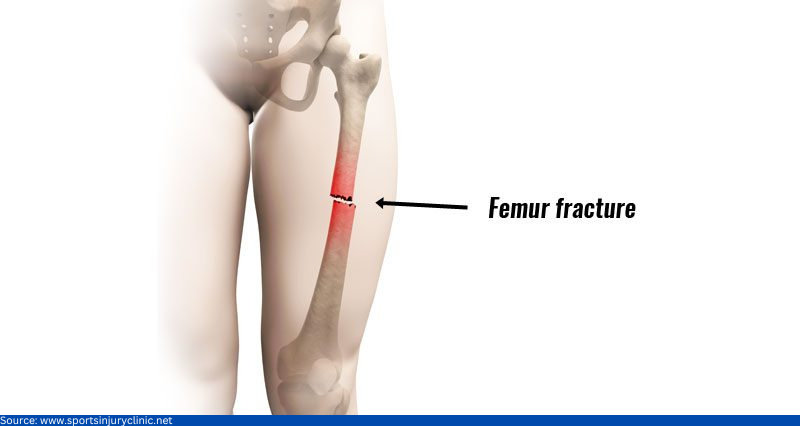
Femoral Shaft Fractures
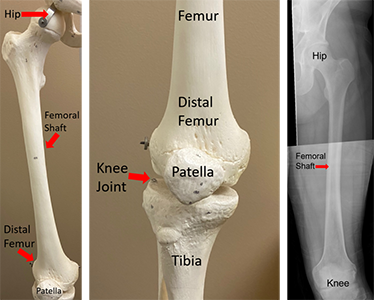
The femoral shaft is the long middle part of the bone. Fractures here usually occur from strong forces. These breaks are often severe and painful.
Walking is very difficult or impossible with shaft fractures. The bone’s stability is lost, causing major problems.
Trauma-induced Breaks
High-impact trauma causes most complete femur breaks. Car accidents and falls from heights are common causes. These injuries need immediate medical care.
Trauma breaks can split the bone into many pieces. Walking after such injuries is dangerous and usually not possible.
Credit: jaipurjointsurgeon.com
Long-term Complications
Walking on a broken femur can lead to serious long-term complications. The femur is the largest bone in the body and supports much of the body’s weight. Any break can disrupt normal healing and affect your future mobility. Understanding the risks helps in making better health decisions after injury.
Delayed Healing Risks
A broken femur may take months to heal properly. Walking too soon can slow down this process. The bone might not knit together well, causing delayed healing. Poor healing increases pain and risk of further injury. It can lead to a condition called nonunion, where the bone fails to heal at all.
Potential For Surgery
Walking on a broken femur can worsen the break. This damage often requires surgery to fix the bone. Surgery may involve metal rods, plates, or screws to stabilize the femur. Without surgery, improper healing can cause deformity or chronic pain. Early medical treatment reduces the chance of needing complex surgery.
Impact On Mobility
Long-term complications can limit your ability to move freely. A poorly healed femur may cause stiffness and weakness in the leg. This can result in a limp or difficulty walking. In some cases, it may lead to permanent disability. Proper rest and treatment are key to preserving mobility after a femur fracture.
Credit: ota.org
Frequently Asked Questions
Can You Walk With A Hairline Fracture In Your Femur?
Walking with a hairline femur fracture may be possible initially but causes severe pain and risks worsening the injury. Avoid weight-bearing and seek immediate medical care to prevent complications and ensure proper healing.
How Do You Know If You Broke Your Femur?
Signs of a broken femur include severe thigh pain, swelling, bruising, inability to bear weight, leg deformity, and leg shortening. Seek immediate medical help for X-rays and treatment.
Can You Still Walk If You Broke Your Femur?
Walking on a broken femur is usually impossible due to severe pain and instability. Minor hairline fractures might allow limited walking but worsen with weight-bearing. Immediate medical care is essential to prevent complications and promote proper healing. Avoid walking and seek professional treatment promptly.
What Does A Hairline Fracture In The Femur Feel Like?
A hairline femur fracture causes sharp, persistent pain in the thigh or hip. You may feel swelling, bruising, and difficulty moving the leg. Walking can worsen pain and lead to limping or inability to bear weight. Immediate medical attention is essential to prevent further damage.
Can You Walk On A Broken Femur Safely?
Walking on a broken femur is unsafe and can cause more damage. The femur supports most of your body weight. Immediate medical help is necessary to avoid complications.
Walking on a broken femur is risky and painful. Small cracks might allow limited movement, but pain will grow. Putting weight on a serious break can cause more damage. The femur supports your whole body, so any injury needs quick care.
Stop walking and see a doctor right away. Proper treatment helps bones heal and prevents complications. Avoid risking your health by ignoring pain or trying to walk too soon. Taking rest and following medical advice leads to better recovery. Your safety matters most after a femur injury.

Tariqul
Tariqul is a dedicated health and wellness blogger with a background in health sciences. With years of experience in patient education and health communication, he focuses on providing accurate, easy-to-understand information to help readers make informed decisions about their well-being. Passionate about bridging the gap between clinical knowledge and everyday life, Tariqu ensures his content is both practical and medically sound.