
Have you ever wondered if you can actually walk on a dislocated knee? If you’re facing sharp knee pain or suspect your kneecap might be out of place, it’s important to know what your body is telling you.
Walking on a dislocated knee isn’t just uncomfortable—it can make the injury worse and delay your recovery. You’ll learn how to recognize the signs of a dislocated knee, understand whether walking is safe, and discover the best steps to take if you experience this painful injury.
Keep reading to protect your knee and avoid serious complications.
Table Of Contents
- 1 Signs Of A Dislocated Knee
- 2 Can You Walk After Dislocation?
- 3 When To Seek Emergency Care
- 4 Medical Diagnosis And Imaging
- 5 Immediate First Aid Steps
- 6 Treatment Options
- 7 Preventing Future Dislocations
- 8 Frequently Asked Questions
Signs Of A Dislocated Knee
Recognizing the signs of a dislocated knee is crucial for timely treatment. This injury causes immediate and noticeable changes in the knee’s appearance and function. Early identification helps prevent further damage to nerves, blood vessels, and surrounding tissues. The following signs are common indicators of a dislocated knee.
Visual Deformity
The knee looks different than usual. The kneecap may shift to the side or appear as a bump. This change is often obvious and does not go away on its own. The knee might look uneven or misshapen.
Audible Pop
A sharp pop or snap sound often happens at the moment of injury. This noise comes from the kneecap moving out of its normal position. It signals a sudden and severe disruption inside the knee joint.
Severe Pain And Swelling
Intense pain starts immediately after the injury. The knee becomes tender to touch and swells quickly. Swelling may spread around the joint, making movement difficult and painful.
Instability And Buckling
The knee may feel weak or loose. It can give way or buckle when trying to stand or walk. This feeling of instability shows that the joint is not holding the bones in place properly.
Locked Or Limited Movement
The knee might lock in a bent or fixed position. Straightening or bending the knee fully may become impossible. This restriction happens because the dislocated bones or damaged tissues block movement.

Credit: caringmedical.com
Can You Walk After Dislocation?
After a knee dislocation, walking ability varies greatly. The severity of the injury and type of dislocation affect whether you can walk or not. Some people might manage small movements, but walking is often painful and risky. Understanding different scenarios helps you know what to expect and how to act.
Walking With Patella Subluxation
Patella subluxation means the kneecap partially slides out of place. It often pops back quickly on its own. You might still walk, but expect discomfort. Walking might feel unstable or awkward. Rest and ice help reduce swelling. Avoid sudden movements that worsen pain.
Pain And Swelling Considerations
Dislocations cause sharp pain and quick swelling. These symptoms limit movement and walking. Swelling makes the knee stiff and tender. Pain signals a serious injury inside the joint. Walking through severe pain can worsen damage. Use crutches or support if walking is needed.
Risks Of Walking On A Dislocated Knee
Walking on a dislocated knee risks more harm. Ligaments, blood vessels, or nerves can get damaged. This may cause long-term instability or numbness. The knee might buckle or give way suddenly. Walking too soon slows healing and increases complications. Seek medical care before trying to walk.
When To Seek Emergency Care
A dislocated knee is a serious injury. It can damage blood vessels and nerves. Immediate medical help is crucial to avoid lasting harm.
Some signs show the injury is urgent. These signs mean you must get emergency care right away. Ignoring these symptoms can cause permanent damage.
Numbness Or Coldness In Foot
Numbness or coldness in the foot signals nerve or blood flow problems. The injury may block circulation. Lack of feeling shows nerves might be harmed. Immediate care can save the limb and prevent lasting issues.
Absent Or Weak Pulse
No pulse or a weak pulse in the foot means poor blood supply. This condition risks tissue death and serious complications. A strong pulse is vital for healing. Emergency care can restore blood flow quickly.
Open Wounds Or Bone Exposure
Open wounds or exposed bone show a severe dislocation. The skin breaks, increasing infection risk. Bone sticking out needs urgent treatment. Emergency care will clean and protect the area. Surgery may be required to fix the damage.
Medical Diagnosis And Imaging
Accurate medical diagnosis and imaging are crucial for assessing a dislocated knee. These steps help doctors determine the injury’s severity and plan the correct treatment. Early diagnosis can prevent complications like nerve or blood vessel damage.
Physical Examination
The doctor begins with a physical examination to check the knee’s condition. They observe swelling, deformity, and the knee’s position. The doctor also tests the knee’s range of motion and stability. Feeling for pulses and checking nerve function is vital. Pain levels and the ability to bear weight are noted. This hands-on approach guides further testing and treatment decisions.
X-rays And Scans
X-rays are the first imaging tool used to confirm a knee dislocation. They show the position of bones and detect fractures. Sometimes, an X-ray alone is not enough. In such cases, MRI or CT scans provide detailed images of soft tissues and ligaments. These scans reveal ligament tears, cartilage damage, or blood vessel injury. Imaging ensures the injury is fully understood before treatment begins.
Immediate First Aid Steps
Immediate first aid is crucial after a knee dislocation. Taking quick and correct steps can reduce pain and prevent further injury. Focus on stabilizing the knee, controlling swelling, and avoiding pressure on the joint. These actions help protect the knee until professional medical care is available.
Immobilizing The Knee
Keep the knee as still as possible. Use a splint, brace, or any firm object to support the leg. Wrap it gently to prevent movement but avoid tight bindings that cut off circulation. Immobilization helps reduce pain and stops more damage.
Reducing Swelling
Apply ice packs wrapped in cloth to the knee. Ice numbs the area and limits swelling. Use ice for 15 to 20 minutes every hour. Do not place ice directly on the skin. Elevate the leg above heart level to help drain fluids away from the knee.
Avoiding Weight Bearing
Do not put any weight on the injured leg. Walking or standing can worsen the injury and increase pain. Use crutches or have someone assist you if moving is necessary. Rest is vital until a doctor evaluates the knee.
Treatment Options
Treatment options for a dislocated knee vary based on injury severity and damage extent. Proper care reduces pain and prevents further harm. Treatment aims to restore knee function and stability quickly.
Non-surgical Care
Mild dislocations may heal with non-surgical methods. Rest and immobilization using a brace or splint protect the knee. Ice reduces swelling and eases pain. Over-the-counter pain relievers help manage discomfort. Avoid putting weight on the injured leg until pain lessens.
Physical therapy often starts early. Gentle exercises improve motion and prevent stiffness. Regular follow-ups monitor healing progress. Non-surgical care works best for simple, stable dislocations without ligament tears.
Surgical Intervention
Surgery becomes necessary for severe dislocations or damaged ligaments. The surgeon realigns the kneecap and repairs torn tissues. Arthroscopy uses small tools and cameras for less invasive repair. Open surgery may be required for complex injuries.
Surgical treatment stabilizes the knee and reduces future dislocation risk. Early surgery usually leads to better outcomes. Post-surgery, patients stay immobilized briefly to protect repairs.
Rehabilitation And Recovery
Rehabilitation is crucial for full recovery. Physical therapy strengthens muscles around the knee. Exercises improve flexibility and balance. Therapy also helps regain normal walking and movement patterns.
Recovery time varies but typically lasts weeks to months. Following the rehabilitation plan prevents complications and supports healing. Patients should avoid high-impact activities until cleared by a doctor.
Preventing Future Dislocations
Preventing future dislocations is crucial for long-term knee health. After a dislocated knee, the joint becomes weaker and more prone to injury. Taking steps to strengthen the muscles around the knee helps stabilize the joint. Wearing protective gear can provide extra support during activities. Small lifestyle changes also reduce the risk of another dislocation. These methods work together to keep your knee safe and strong.
Strengthening Exercises
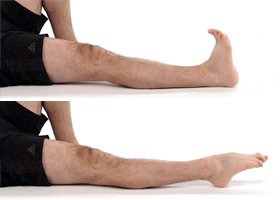
Focus on exercises that build the muscles around your knee. Strong quadriceps and hamstrings help keep the kneecap in place. Simple moves like leg lifts, straight leg raises, and hamstring curls improve stability. Perform these exercises regularly but avoid pushing through pain. A physical therapist can guide you with the right routine for your condition.
Protective Gear
Use knee braces or sleeves during sports or heavy activity. These provide extra support and limit harmful movements. Protective gear absorbs shocks and reduces stress on the knee. Choose gear that fits well and is comfortable to wear. Consistent use can prevent sudden shifts that cause dislocations.
Lifestyle Adjustments
Modify daily habits to protect your knees. Avoid high-impact sports or activities that strain the joint. Maintain a healthy weight to reduce pressure on your knees. Warm up before exercise and stretch to keep muscles flexible. Rest adequately between activities to allow healing and prevent overuse injuries.
Credit: www.hey.nhs.uk
Credit: www.clickphysiotherapy.com.au
Frequently Asked Questions
Can You Walk With A Slightly Dislocated Knee?
You might walk with a slightly dislocated knee if the patella pops back. Expect swelling and pain. Avoid walking if pain worsens. Seek medical care promptly to prevent complications.
How Do I Know If My Knee Is Dislocated?
A dislocated knee causes sudden, severe pain, swelling, an audible pop, visible deformity, instability, and inability to bear weight or straighten the knee. Seek immediate medical care if you notice numbness, coldness, or a weak pulse in the foot.
What Can Be Mistaken For A Dislocated Knee?
A severe knee sprain, patella subluxation, or fractured kneecap can be mistaken for a dislocated knee.
Can You Bend Your Knee If It Is Dislocated?
You cannot bend a dislocated knee without severe pain and instability. Movement is often locked or limited. Seek immediate medical care.
Can You Walk With A Dislocated Knee?
Walking with a dislocated knee is usually very painful and difficult. Some may walk if the patella partially slips back, but swelling and pain remain. It’s best to avoid walking to prevent further injury.
Walking on a dislocated knee is often painful and risky. The knee may look deformed and swell quickly. You might hear a pop or feel it lock. Trying to walk can cause more damage. Seek medical help right away for proper care.
Avoid putting weight on the injured knee. Rest, ice, and medical treatment help recovery. Protect your knee to prevent long-term problems. Taking quick action improves healing and reduces pain.

Tariqul
Tariqul is a dedicated health and wellness blogger with a background in health sciences. With years of experience in patient education and health communication, he focuses on providing accurate, easy-to-understand information to help readers make informed decisions about their well-being. Passionate about bridging the gap between clinical knowledge and everyday life, Tariqu ensures his content is both practical and medically sound.