
Can you walk on a fractured hip? If you’ve experienced sudden hip pain or a fall, this question might be on your mind right now.
The truth is, walking on a fractured hip is usually very painful and can make your injury worse. But depending on the type and severity of the fracture, some people might still be able to put limited weight on their leg.
Understanding what happens when your hip is fractured and knowing what to do next could make all the difference in your recovery. Keep reading to learn why walking is often difficult with a broken hip, the warning signs you should never ignore, and the safest steps to take if you suspect a hip fracture. Your health and mobility depend on it.
Table Of Contents
- 1 Signs Of A Hip Fracture
- 2 Why Walking Is Painful
- 3 Types Of Hip Fractures
- 4 When Walking Might Be Possible
- 5 Immediate Actions After Injury
- 6 Treatment Options
- 7 Recovery And Rehabilitation
- 8 Prevention Tips
- 9 Frequently Asked Questions
Signs Of A Hip Fracture
Recognizing the signs of a hip fracture is crucial for prompt treatment. Hip fractures cause sudden changes in the body that are often hard to ignore. Identifying these signs early can prevent further injury and complications.
Pain And Tenderness
Severe pain is the most common sign of a hip fracture. The pain usually feels sharp and worsens with any movement. Tenderness around the hip area often accompanies the pain. Even slight pressure on the hip can cause discomfort.
Swelling And Bruising
Swelling near the hip is a clear sign of injury. Bruising may appear soon after the fracture occurs. The skin around the hip might look discolored or inflamed. These symptoms indicate internal bleeding or tissue damage.
Leg Appearance Changes
The injured leg may look different from the other one. It can appear shorter or turned outward. This change in leg position is a common sign of a fractured hip. Such changes affect balance and walking ability.
Inability To Bear Weight
Most people with a fractured hip cannot put weight on the injured leg. Standing or walking causes severe pain or feels impossible. Any attempt to bear weight can worsen the fracture. Avoid walking until medical help arrives.
Why Walking Is Painful
Walking on a fractured hip is difficult due to intense pain and physical limitations. The hip joint plays a key role in movement and weight bearing. Any damage to this area disrupts normal function. Pain arises from several factors linked to the injury and body’s response.
Understanding why walking hurts after a hip fracture helps in recognizing the severity and need for care. Below are the main reasons walking is painful.
Severe Pain With Movement
The fractured bone triggers sharp pain during any motion. Walking moves the broken parts, causing intense discomfort. Nerve endings near the fracture send strong pain signals to the brain. This pain acts as a warning to avoid further injury.
Joint Instability
The hip joint loses stability after a fracture. It can no longer support body weight properly. This instability makes balancing difficult and painful. Walking becomes risky as the joint may give way unexpectedly.
Muscle Weakness
Muscles around the hip weaken after injury. Pain and limited use reduce muscle strength quickly. Weak muscles fail to support the hip during movement. This adds to the difficulty and pain while walking.
Risk Of Worsening Injury
Walking on a fractured hip can worsen the damage. The broken bone may shift or break further. This increases pain and complicates healing. Avoid walking to prevent long-term problems and need for surgery.
Types Of Hip Fractures
Hip fractures vary in type and severity. Knowing the different types helps understand the injury better. Each type affects walking ability and treatment options differently. This section explains common types of hip fractures.
Displaced Vs Nondisplaced Fractures
Displaced fractures mean bone pieces have moved apart. This usually causes severe pain and instability. Walking is often impossible and can worsen the injury.
Nondisplaced fractures have bone cracks but remain aligned. They cause less pain and might allow limited weight-bearing. Still, walking is risky and not recommended without medical advice.
Hairline And Stress Fractures
Hairline fractures are small cracks in the bone. Stress fractures develop from repeated pressure or overuse. Both cause mild to moderate pain, especially during activity.
These fractures may allow walking but cause discomfort. Rest and medical evaluation are important to prevent worsening.
Impact Of Fracture Location
Fracture location affects pain and mobility. Fractures in the femoral neck usually cause severe pain and limit walking.
Intertrochanteric fractures occur lower and may allow some movement. Subtrochanteric fractures are rare but very painful.
Understanding fracture location helps guide treatment and recovery plans.
When Walking Might Be Possible
Walking on a fractured hip is often not possible due to pain and instability. Some mild fractures may allow limited walking. Careful evaluation of pain and fracture type guides this possibility.
Understanding when walking might be possible helps manage the injury safely. It reduces risks and aids recovery planning.
Mild Fractures And Weight Bearing
Mild hip fractures, like nondisplaced or hairline cracks, may permit some weight bearing. The bone remains mostly aligned, causing less pain. Doctors might recommend partial weight bearing with support tools like crutches. Walking is usually slow and cautious, avoiding full pressure on the injured hip.
Pain Levels And Mobility
Pain plays a key role in mobility after a hip fracture. Low to moderate pain might allow standing or short walking. High pain usually means walking is unsafe. Pain control and medical advice must guide any movement attempts. Mobility depends on individual pain tolerance and fracture severity.
Risks Of Attempting To Walk
Walking on a fractured hip can worsen the injury. It may cause the bone to shift or break further. Risk of falling increases, leading to more damage. Delaying proper treatment can slow healing. Always seek medical assessment before trying to walk after a hip injury.
Immediate Actions After Injury
After a hip fracture, quick and careful steps matter a lot. Acting immediately can reduce pain and prevent more damage. Follow simple, clear actions to keep the injury stable and safe until help arrives.
Avoid Putting Weight On The Leg
Do not stand or walk on the injured leg. Placing weight can cause more pain and worsen the fracture. Stay still and keep the leg raised if possible. Use pillows or soft objects to support the leg gently.
Stabilizing The Hip
Keep the hip as still as you can. Avoid moving the leg or twisting the hip. Use a soft splint or rolled towels to hold the leg steady. This helps stop the bone from shifting and reduces pain.
Seeking Emergency Care
Call for emergency medical help right away. Hip fractures need prompt diagnosis and treatment. Do not try to drive or move the injured person without help. Wait for professionals to provide safe transport to the hospital.
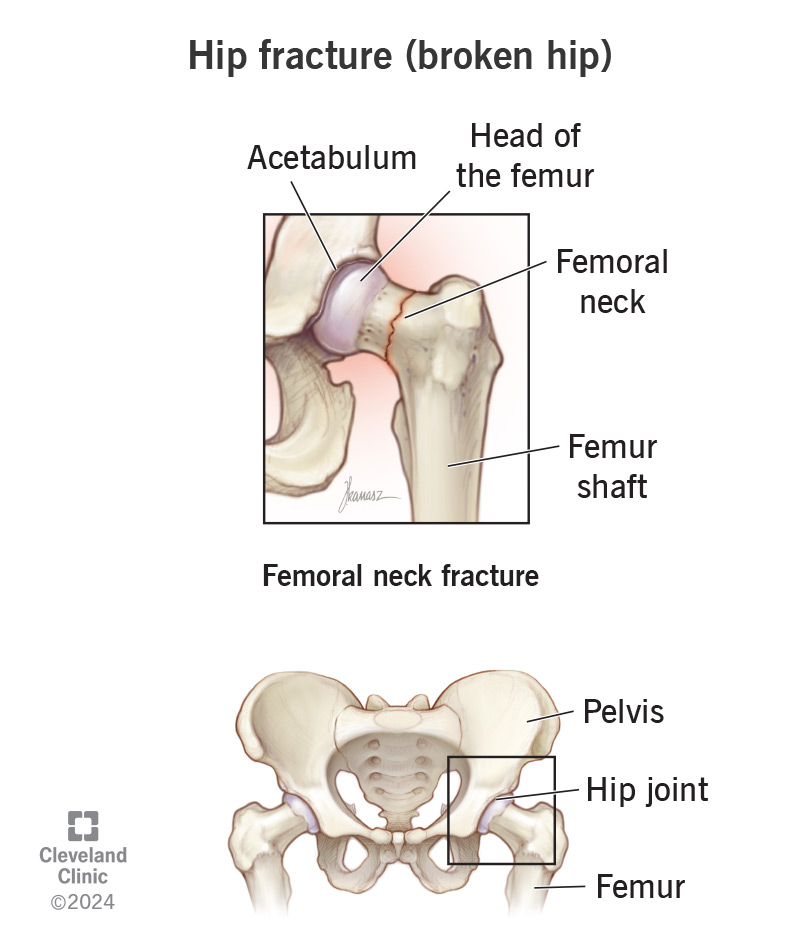
Credit: my.clevelandclinic.org
Treatment Options
Treating a fractured hip depends on the type and severity of the break. Proper care helps reduce pain and improves healing. Treatment aims to restore mobility and prevent complications.
Doctors decide the best approach based on the patient’s health and fracture details. Options include surgery, non-surgical methods, and pain control.
Surgical Intervention
Surgery is common for most hip fractures. It helps realign broken bones and secure them with metal screws or plates. Sometimes, part of the hip joint is replaced with an artificial implant. Surgery allows faster recovery and better chances of walking again.
Patients usually need hospital care and physical therapy after surgery. Early movement helps prevent blood clots and muscle loss.
Non-surgical Management
Some fractures may heal without surgery. This option suits patients with minor cracks or poor health. Doctors recommend bed rest and limited weight-bearing on the injured leg. Special braces or traction may support the hip during healing.
Regular X-rays monitor bone healing. Non-surgical care requires patience as recovery takes longer than surgery.
Pain Control Strategies
Managing pain is key in hip fracture treatment. Doctors prescribe painkillers to ease discomfort. Medications range from simple over-the-counter drugs to stronger prescriptions.
Ice packs and gentle movement can also reduce pain and swelling. Proper pain control helps patients participate in therapy and speeds up recovery.
Recovery And Rehabilitation
Recovery and rehabilitation after a fractured hip are crucial steps toward regaining strength and mobility. Healing takes time and patience. The process involves guided therapy and careful movement to avoid further injury. Each stage focuses on restoring function and minimizing pain. Understanding the role of therapy and aids helps in a smoother recovery.
Physical Therapy Importance
Physical therapy plays a key role in hip fracture recovery. Therapists teach exercises that improve muscle strength and joint flexibility. These exercises help reduce stiffness and increase blood flow. Therapy also trains patients on safe ways to move and avoid falls. Regular sessions speed up healing and promote independence.
Use Of Walking Aids
Walking aids support balance and reduce pressure on the injured hip. Common aids include walkers, crutches, and canes. These tools help patients move safely while the hip heals. Choosing the right aid depends on the injury and the patient’s strength. Proper use prevents falls and encourages confidence in walking again.
Gradual Mobility Progression
Mobility should increase slowly over time. Early movements focus on gentle range-of-motion exercises. Weight-bearing activities start with small steps, increasing as pain decreases. Gradual progression helps prevent setbacks and builds endurance. Listening to the body’s signals is essential to avoid overexertion.
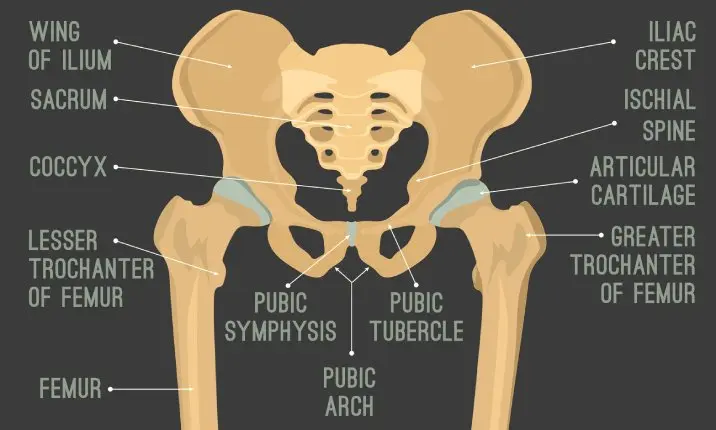
Credit: www.parkwayeast.com.sg
Prevention Tips
Preventing a fractured hip starts with simple, daily actions. These tips help reduce the risk of falls and strengthen bones. Small steps lead to safer movement and better health. Focus on creating a safer environment and improving body strength.
Fall Prevention Strategies
Keep floors clear of clutter and loose rugs. Use non-slip mats in bathrooms and kitchens. Install grab bars near toilets and showers. Make sure hallways and stairs have good lighting. Wear shoes with good support and non-slip soles. Avoid rushing and take your time when moving. Use assistive devices if balance feels weak.
Bone Health Maintenance
Eat foods rich in calcium and vitamin D. Dairy products, leafy greens, and fortified cereals help. Spend time outside for natural sunlight to boost vitamin D. Avoid smoking and limit alcohol consumption. Regular check-ups can monitor bone density. Talk to your doctor about supplements if needed. Strong bones reduce the chance of fractures.
Exercise And Strength Training
Exercise improves balance and muscle strength. Try walking, swimming, or cycling regularly. Balance exercises, like tai chi, help prevent falls. Strength training builds muscle to support joints and bones. Start with light weights or resistance bands. Consistency is key to seeing benefits. Stay active to keep your body strong and steady.

Credit: coastalorthopedics.com
Frequently Asked Questions
Can You Have A Hip Fracture And Still Walk?
You might walk with a mild hip fracture but will feel severe pain and instability. Avoid bearing weight and seek immediate medical help. Walking on a fractured hip can worsen the injury and delay recovery.
What Does A Hairline Fracture In The Hip Feel Like?
A hairline hip fracture causes sharp groin or hip pain that worsens with weight-bearing activities. Swelling, bruising, and tenderness often appear. Rest relieves pain, but movement increases discomfort.
How Do I Know If My Hip Is Fractured?
Signs of a hip fracture include severe hip or groin pain, inability to walk or bear weight, swelling, bruising, and a shorter or turned leg. Seek immediate medical help if you suspect a fracture.
Can You Have A Hairline Fracture In Your Hip?
Yes, a hairline fracture can occur in the hip. It often results from overuse or minor trauma. This small crack causes pain, swelling, and tenderness, especially during weight-bearing activities. Early diagnosis and treatment help prevent worsening and promote healing.
Can You Walk On A Fractured Hip Safely?
Walking on a fractured hip is usually very painful and not safe. It can worsen the injury and delay healing. Medical evaluation is necessary before putting weight on the leg.
Walking on a fractured hip is usually very painful and risky. The injury often causes sharp pain and makes the hip unstable. Trying to walk can worsen the damage. Some minor fractures may allow slight movement, but discomfort remains high.
Rest and medical care are essential for healing. Never ignore pain or try to walk without help. Early treatment helps prevent complications and speeds recovery. Always seek professional advice if you suspect a hip fracture. Protect your health by avoiding stress on the injured hip.
Healing takes time and patience.

Tariqul
Tariqul is a dedicated health and wellness blogger with a background in health sciences. With years of experience in patient education and health communication, he focuses on providing accurate, easy-to-understand information to help readers make informed decisions about their well-being. Passionate about bridging the gap between clinical knowledge and everyday life, Tariqu ensures his content is both practical and medically sound.