
If you hurt your knee, you might wonder if you can still walk. Especially if the injury is a torn meniscus. This article will help you understand what a torn meniscus is. It will also tell you if walking is safe or not. You will learn simple facts and advice. All in easy English.
Table Of Contents
- 1 What Is the Meniscus?
- 2 What Does a Torn Meniscus Mean?
- 3 Can You Walk on a Torn Meniscus?
- 4 What Happens If You Walk on a Torn Meniscus?
- 5 How to Take Care of a Torn Meniscus
- 6 When to See a Doctor
- 7 Treatment Options for a Torn Meniscus
- 8 How to Prevent Meniscus Tears
- 9 What to Do If You Must Walk on a Torn Meniscus
- 10 Summary
- 11 Frequently Asked Questions
What Is the Meniscus?
The meniscus is a part inside your knee. It is like a cushion. It sits between two bones: the thigh bone and the shin bone. You have two menisci in each knee. One is on the inside, the other on the outside. Their job is to protect the knee. They help the knee move smoothly. They also keep the bones from rubbing against each other.
Imagine a small, thick rubber piece inside your knee. That is the meniscus. It helps spread your weight when you stand, walk, or run. It also keeps the knee steady.

Credit: orthop.washington.edu
What Does a Torn Meniscus Mean?
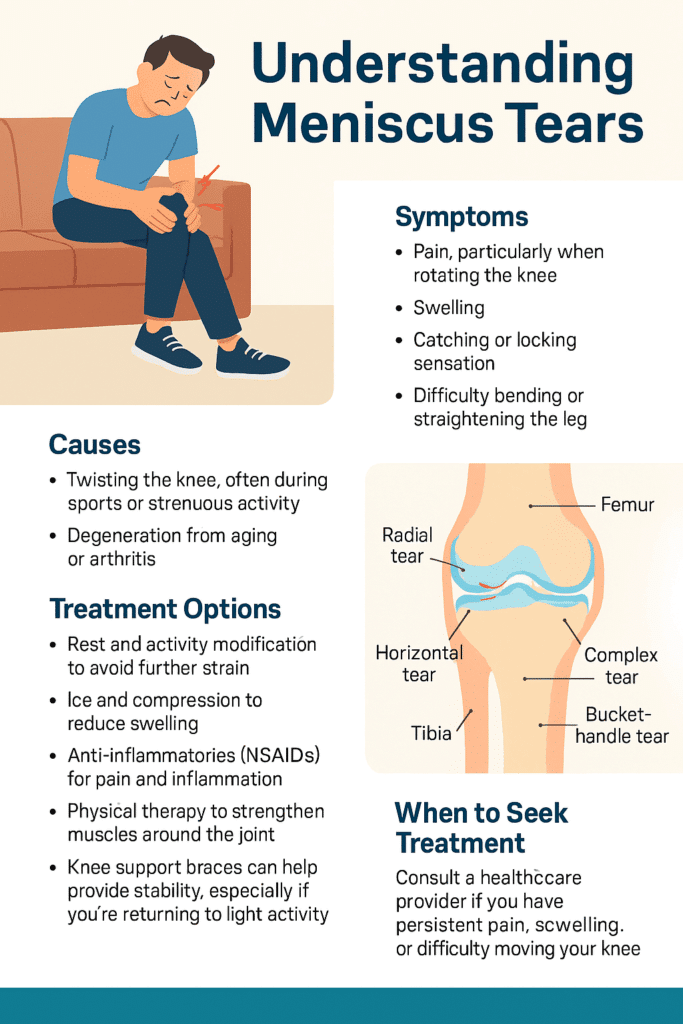
A torn meniscus means the cushion inside your knee is damaged. This can happen if you twist your knee hard or suddenly. Sometimes, it happens slowly over time. This is common in older people. The meniscus can wear out and tear.
When the meniscus tears, it may cause pain. The knee might swell or feel stiff. Sometimes, you may hear a popping sound. It can also feel like your knee is locking or catching. These signs show the meniscus is not working well.
Can You Walk on a Torn Meniscus?
This is the big question. Can you walk if your meniscus is torn?
The answer is: it depends.
Some people with a torn meniscus can walk. But others may find it very hard or painful. Walking might make the pain worse for some. For others, walking feels okay but causes swelling later.
How To Know If You Can Walk
- If your knee feels very painful when you put weight on it, do not walk.
- If your knee feels weak or gives way, avoid walking.
- If your knee locks and you cannot bend or straighten it, do not walk.
- If you can walk without much pain, take small steps and be careful.
Always listen to your body. If you feel sharp pain, stop walking. Rest your knee and see a doctor.
Credit: www.princetonorthopaedic.com
What Happens If You Walk on a Torn Meniscus?
Walking on a torn meniscus can be risky. It can make the tear bigger. This may lead to more pain and swelling. It can also slow down healing.
When you walk, your knee moves a lot. The meniscus needs to be healthy to protect your knee. If it is torn, walking can cause more damage.
In some cases, walking on a torn meniscus can cause other problems. Like damage to the cartilage or arthritis later. So, it is better to be careful.
How to Take Care of a Torn Meniscus
Here are some simple steps you can take if you have a torn meniscus:
- Rest: Stop activities that hurt your knee. Give it time to heal.
- Ice: Put ice on your knee for 15-20 minutes every few hours. This helps reduce swelling.
- Compression: Use a knee bandage or wrap to keep your knee stable.
- Elevation: Keep your knee raised above your heart when resting. This helps reduce swelling.
These steps are called the R.I.C.E. method. It is the first help for many knee injuries.
When to See a Doctor
If your knee keeps hurting, swelling, or locking, see a doctor. A doctor can check how bad the tear is. They may use an MRI or X-ray. This helps them see inside your knee.
The doctor will suggest the best treatment for you. Sometimes, you may need physical therapy. Other times, surgery might be needed. It depends on your tear and how bad it is.
Treatment Options for a Torn Meniscus
| Treatment | When Used | What It Does |
|---|---|---|
| Rest and Ice | Minor tears, mild pain | Reduces pain and swelling, helps healing |
| Physical Therapy | Moderate tears, after initial rest | Strengthens muscles, improves knee movement |
| Surgery | Severe tears, locking knee | Repairs or removes damaged meniscus parts |
| Pain Medicine | Any tear causing pain | Helps manage pain, improves comfort |
How to Prevent Meniscus Tears
You can lower your chance of a meniscus tear. Here are some tips:
- Warm up before exercise or sports.
- Stretch your muscles well.
- Wear good shoes that support your feet.
- Use correct movements when playing sports.
- Strengthen your leg muscles with exercise.
- Avoid sudden twists or heavy impacts on your knee.
Strong muscles protect your knee. They help keep your joints safe.
What to Do If You Must Walk on a Torn Meniscus
Sometimes, you cannot avoid walking. Maybe you need to move around your house or work.
If you have to walk, follow these tips:
- Wear a knee brace for support.
- Take slow and small steps.
- Walk on even and soft surfaces.
- Stop if you feel pain or discomfort.
- Use a cane or crutch if needed.
Remember, walking too much can make your knee worse. Rest as soon as you can.
Summary
A torn meniscus means a cushion inside your knee is damaged. You might be able to walk or not. It depends on how bad the tear is.
Walking on a torn meniscus can sometimes make it worse. If walking hurts or your knee feels weak, stop immediately.
Use rest, ice, compression, and elevation to help your knee. See a doctor if pain or swelling does not improve.
Doctors can help with physical therapy or surgery if needed. To prevent tears, warm up and strengthen your legs.
Take care of your knees. They help you move every day.
Frequently Asked Questions
Can You Walk With A Torn Meniscus Injury?
Walking with a torn meniscus is sometimes possible but often painful. It depends on tear severity and knee stability. Rest and medical advice are essential.
What Happens If You Keep Walking On A Torn Meniscus?
Walking on a torn meniscus may worsen the injury and increase pain. It can lead to swelling and knee locking. Early treatment helps prevent complications.
How To Know If Your Meniscus Tear Stops You From Walking?
Severe pain, swelling, or knee locking can stop walking. Difficulty bending or straightening the knee is a sign. A doctor’s exam confirms the problem.
Should You Use Crutches For A Torn Meniscus?
Crutches help reduce weight on the injured knee and ease pain. They support healing and prevent further damage. Use them as advised by a healthcare provider.
When To See A Doctor For A Torn Meniscus?
See a doctor if pain, swelling, or knee locking lasts more than a few days. Sudden inability to walk or knee giving way needs urgent care. Early diagnosis ensures proper treatment.

Tariqul
Tariqul is a dedicated health and wellness blogger with a background in health sciences. With years of experience in patient education and health communication, he focuses on providing accurate, easy-to-understand information to help readers make informed decisions about their well-being. Passionate about bridging the gap between clinical knowledge and everyday life, Tariqu ensures his content is both practical and medically sound.