
Can you walk with a collapsed hip? If you’re dealing with sharp pain, stiffness, or a limp in your hip, this question might be on your mind.
A collapsed hip, often caused by a condition called avascular necrosis (AVN), means the bone in your hip has lost its blood supply and started to break down. This doesn’t just cause discomfort—it can change the way your hip moves and feels.
But what does this mean for your daily life and mobility? Can you still walk? Understanding what happens when your hip collapses and how it affects your movement is essential. Keep reading to learn the signs to watch for, how it impacts your ability to walk, and what options you have to regain your mobility and relieve pain.
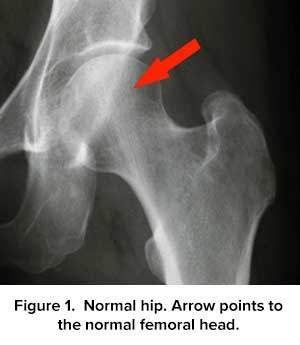
Credit: hipkneeinfo.org
Table Of Contents
- 1 Causes Of Hip Collapse
- 2 What Happens During Collapse
- 3 Symptoms To Watch For
- 4 Walking With A Collapsed Hip
- 5 Recovery And Treatment Options
- 6 Surgical Solutions
- 7 Preventing Further Damage
- 8 Frequently Asked Questions
Causes Of Hip Collapse
Hip collapse occurs when the bone at the top of the thigh bone, called the femoral head, loses its strength and shape. This weakening causes pain and difficulty in walking. Understanding what causes hip collapse can help in recognizing symptoms early and seeking treatment.
Several factors can lead to this condition. The loss of blood supply to the bone is one of the main reasons. Injury or disease can also damage the hip, leading to collapse over time. Below are the main causes explained.
Avascular Necrosis Explained
Avascular necrosis happens when the blood flow to the femoral head stops. Without blood, the bone cells die. This death causes the bone to become weak and break down. The smooth surface that helps the hip move easily becomes rough and uneven. Pain and stiffness follow, making walking hard.
Common Risk Factors
Certain habits and conditions increase the chance of hip collapse. Long-term use of steroids can harm blood supply to the bone. Drinking too much alcohol also affects bone health. Diseases like sickle cell anemia and lupus can cause damage. Radiation and chemotherapy treatments may weaken bones as well.
Impact Of Trauma And Disease
Injuries such as fractures or dislocations can stop blood flow to the hip bone. Trauma damages the bone structure, leading to collapse. Diseases that affect blood vessels or bone cells also contribute. Over time, these issues cause the femoral head to lose its shape and function.
What Happens During Collapse
Understanding what happens during a collapsed hip helps explain why walking becomes difficult or impossible. The collapse usually results from a condition called avascular necrosis (AVN). AVN causes the bone tissue in the hip to lose its blood supply. Without blood, the bone begins to die and break down. This process damages the structure and function of the hip joint.
Bone Death And Structural Failure
The femoral head, or ball of the hip joint, needs constant blood flow to stay healthy. Lack of blood flow causes bone cells to die, a condition called osteonecrosis. Dead bone weakens and loses its strength. The top of the femoral head can collapse and flatten. This structural failure means the hip can no longer support the body weight properly.
Joint Surface Damage
The femoral head is normally smooth and round, fitting perfectly in the hip socket. When it collapses, the surface becomes uneven and rough. This damage harms the cartilage that cushions the joint. Without smooth cartilage, bones rub against each other. This friction causes pain and further joint damage over time.
Progression Of Symptoms
Early symptoms include pain in the groin, thigh, or buttock areas. The pain worsens with activity and may continue even at rest. As the hip collapses, a limp often develops to reduce pressure on the painful side. Stiffness and limited motion make standing and walking difficult. These symptoms increase as the joint deteriorates, leading to severe disability without treatment.
Symptoms To Watch For
Recognizing the symptoms of a collapsed hip is critical for timely care. The signs often start subtly but grow worse quickly. Early awareness can help you seek medical help before permanent damage occurs.
Pay close attention to how pain, movement, and stiffness change over time. These symptoms reveal the hip’s condition and its ability to support your weight. Here are key symptoms to watch for.
Pain Patterns And Locations
Pain is usually the first sign of a collapsed hip. It often begins in the groin area. The pain may spread to the thigh or buttock. It gets worse with walking or standing. At times, pain occurs even while resting. Sharp or dull, the pain signals joint damage.
Limping And Mobility Issues
A limp often develops as the hip weakens. This limp helps reduce pressure on the painful side. You may find it hard to walk normally. Climbing stairs or standing for long becomes difficult. These mobility problems show the hip is struggling to bear weight.
Stiffness And Reduced Range
Stiffness makes moving the hip joint tough. Bending, stretching, or turning the leg feels limited. This reduced range affects daily activities like sitting or getting up. The joint may feel tight, especially after resting. Stiffness signals joint surface damage and inflammation.
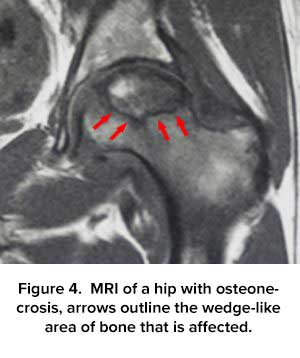
Credit: hipkneeinfo.org
Walking With A Collapsed Hip
Walking with a collapsed hip poses many challenges. The hip joint loses its smooth shape, causing pain and stiffness. Moving becomes difficult and painful. Understanding what walking means with this condition helps manage expectations and care.
Is Walking Possible?
Walking may still be possible but often painful. The collapsed hip causes severe discomfort. You might limp or use less weight on the affected side. Some people can walk short distances, while others may struggle even to stand.
Each case varies depending on collapse severity and pain level. Early collapse might allow limited walking. Advanced collapse usually stops normal walking.
Risks Of Weight Bearing
Putting weight on a collapsed hip risks more damage. The bone is weak and may break further. Walking without support can increase pain and worsen the joint. This may speed up arthritis development.
Ignoring weight-bearing risks can lead to long-term disability. Protecting the hip by limiting weight is important to avoid complications.
When To Use Assistive Devices
Assistive devices help reduce pressure on the hip. Canes, crutches, or walkers improve balance and support. These tools make walking safer and less painful.
Use devices as soon as walking causes pain or instability. They help prevent falls and reduce strain on the hip. Consult a healthcare provider to find the right device.
Recovery And Treatment Options
Recovering from a collapsed hip involves several treatment options. These depend on the severity of the collapse and the patient’s overall health. Early intervention can help reduce pain and improve mobility. Various treatments aim to preserve hip function or prepare for surgery if needed.
Non-surgical Approaches
Non-surgical methods focus on managing pain and slowing joint damage. Medications like pain relievers and anti-inflammatory drugs help ease symptoms. Lifestyle changes, including reducing weight-bearing activities, protect the hip. Using walking aids such as crutches or canes can reduce stress on the joint. These steps may delay further collapse and improve daily comfort.
Role Of Physical Therapy
Physical therapy plays a key role in recovery. Therapists teach exercises to strengthen muscles around the hip. Strong muscles support the joint and improve stability. Therapy also helps maintain joint flexibility and reduce stiffness. Regular sessions can help patients regain walking ability safely. Guided movement prevents falls and promotes healing.
When Surgery Becomes Necessary
Surgery is often needed when non-surgical treatments fail. Total hip replacement is the most common procedure for a collapsed hip. It removes damaged bone and replaces it with artificial parts. Surgery relieves pain and restores function. Recovery after surgery includes physical therapy to regain strength. Early surgery can prevent severe arthritis and disability.
Surgical Solutions
Surgical solutions offer a clear path to walking again after a collapsed hip. The damage caused by the collapse often makes non-surgical treatments ineffective. Surgery can restore function and reduce pain significantly. The most common surgical option is total hip replacement. This procedure replaces the damaged parts with artificial components.
Total Hip Replacement Overview
Total hip replacement removes the damaged femoral head and socket. Surgeons place a metal or ceramic ball on a stem inside the thigh bone. A plastic or ceramic cup replaces the worn socket in the pelvis. This creates a smooth, pain-free joint. The surgery usually takes one to two hours. It is done under general or spinal anesthesia.
Recovery After Surgery
Recovery starts soon after surgery with gentle movement and walking. Physical therapy helps regain strength and flexibility. Most patients use a walker or crutches at first. Walking aids are gradually removed as balance and strength improve. Full recovery often takes three to six months. Pain decreases steadily during this time. Following the doctor’s instructions is key to healing well.
Long-term Outlook
Long-term results of total hip replacement are generally excellent. Most people regain normal walking ability and daily activities. The artificial joint can last 15 to 20 years or more. Avoiding high-impact sports helps protect the new hip. Regular check-ups monitor joint health and function. Surgery greatly improves quality of life after a collapsed hip.
Preventing Further Damage
Preventing further damage to a collapsed hip is essential for maintaining mobility and reducing pain. Taking the right steps can slow down the progression and improve quality of life. Early care and consistent management help protect the joint from worsening.
Lifestyle Modifications
Changing daily habits can reduce stress on the hip. Avoid high-impact activities like running or jumping. Use assistive devices such as canes or walkers to ease walking. Maintain a healthy weight to lower pressure on the joint. Gentle exercises like swimming or cycling help keep muscles strong without strain.
Managing Underlying Conditions
Control diseases that contribute to hip collapse. For example, manage diabetes, lupus, or sickle cell disease carefully. Avoid long-term use of high-dose steroids unless necessary. Limit alcohol intake to prevent further bone damage. Follow your doctor’s advice to keep these conditions stable.
Regular Monitoring And Follow-up
Schedule routine check-ups with your healthcare provider. Imaging tests like X-rays or MRI scans track hip health over time. Early detection of changes allows prompt treatment. Report new or worsening symptoms immediately. Consistent follow-up helps prevent severe damage and guides care decisions.

Credit: www.omtapt.com
Frequently Asked Questions
What Happens If Your Hip Collapses?
Hip collapse causes bone death, joint damage, severe pain, stiffness, limping, and arthritis. It often requires total hip replacement surgery.
Is It Possible To Break Your Hip And Still Be Able To Walk?
Yes, you can sometimes walk with a broken hip, but it causes severe pain and instability. Walking may worsen the injury. Medical treatment is essential to prevent complications and promote healing.
Is Hip Pain Common During Pregnancy?
Yes, hip pain is common during pregnancy due to hormonal changes and increased joint stress. It often improves after delivery.
Can You Walk With Avascular Necrosis?
You can walk with avascular necrosis, but pain and limping often worsen as the condition progresses. Early treatment helps.
Can You Walk With A Collapsed Hip?
Walking with a collapsed hip is very difficult and painful. Most people experience limping and reduced movement. Medical treatment is usually needed to improve walking ability.
Walking with a collapsed hip is very difficult and painful. The joint loses its smooth shape, causing stiffness and limping. Most people cannot walk properly without help. Early treatment may ease symptoms but often surgery becomes necessary. A total hip replacement usually restores mobility and reduces pain.
Taking care of your hip health is important to avoid collapse. Seek medical advice if you feel persistent hip pain or stiffness. Your movement and quality of life depend on timely care and proper treatment.

Tariqul
Tariqul is a dedicated health and wellness blogger with a background in health sciences. With years of experience in patient education and health communication, he focuses on providing accurate, easy-to-understand information to help readers make informed decisions about their well-being. Passionate about bridging the gap between clinical knowledge and everyday life, Tariqu ensures his content is both practical and medically sound.