
A torn meniscus is a common knee injury. It can happen to anyone. Maybe you twisted your knee while playing. Or you felt a sharp pain after standing too long. But what is a meniscus? And how long can you walk if it is torn?
Table Of Contents
- 1 What Is the Meniscus?
- 2 What Happens When the Meniscus Tears?
- 3 Can You Walk With a Torn Meniscus?
- 4 Possible Risks of Walking Too Much
- 5 How to Care for a Torn Meniscus
- 6 When to See a Doctor
- 7 Will Walking Help or Hurt the Healing?
- 8 How Long Does It Take to Heal?
- 9 Summary Table: Walking With a Torn Meniscus
- 10 Final Thoughts
- 11 Frequently Asked Questions
What Is the Meniscus?
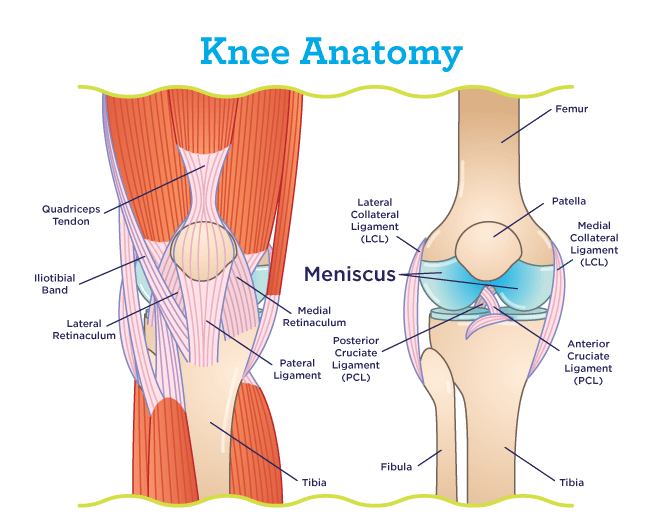
The meniscus is a piece of cartilage in your knee. It acts like a cushion. It helps your knee absorb shocks. It also keeps the knee stable. You have two menisci in each knee. One is on the inside, the other on the outside.
What Happens When the Meniscus Tears?
A meniscus tear means the cartilage is damaged. It can be a small rip or a large one. You may hear a popping sound. Or feel pain in the knee. The knee might swell and feel stiff. Sometimes, the knee can lock or catch. This means you cannot move it smoothly.
Can You Walk With a Torn Meniscus?
Many people ask, “How long can I walk with a torn meniscus?” The answer is not simple. It depends on many things.
Factors That Affect Walking With A Torn Meniscus
- Size of the Tear: Small tears may hurt less. Big tears can cause more pain.
- Location of the Tear: Some parts of the meniscus heal better than others.
- Age: Young people heal faster than older adults.
- Activity Level: Active people may feel more pain when walking.
- Treatment: Rest or physical therapy can help you walk longer.
Walking Right After The Injury
Right after a meniscus tear, walking is often painful. The knee may feel weak. You might limp or avoid putting weight on it. Walking too much can make the injury worse. It can cause more swelling or pain.
Walking With A Small Tear
If the tear is small, some people can walk. But they may feel discomfort. Walking for short distances is usually okay. Using a knee brace or support helps. It keeps the knee stable and reduces pain.
Walking With A Large Tear
A large tear can make walking very hard. The knee may lock or give way. Walking long distances is not advised. It can cause more damage. Sometimes, surgery is needed to fix the tear.
How Long Can You Walk Each Day?
There is no exact time for everyone. But here are some simple rules:
- Listen to Your Body: Stop if you feel pain or swelling.
- Rest Often: Take breaks to reduce stress on the knee.
- Use Support: Knee braces or crutches can help.
- Start Slow: Begin with short walks and increase slowly.
Possible Risks of Walking Too Much
Walking too long with a torn meniscus can cause problems:
- Increased pain and swelling.
- More damage to the knee cartilage.
- Difficulty in healing.
- Possible need for surgery.
Credit: orthonebraska.com
How to Care for a Torn Meniscus
Taking care of your knee is very important. Here are some easy steps:
- Rest: Avoid heavy activities that hurt your knee.
- Ice: Apply ice packs to reduce swelling. Use 20 minutes at a time.
- Compression: Wear an elastic bandage to support the knee.
- Elevation: Keep your leg raised to reduce swelling.
- Medication: Use pain relievers if needed, but follow doctor advice.
- Physical Therapy: Exercises can help strengthen the knee.
When to See a Doctor
Some signs mean you should visit a doctor:
- Severe pain that does not go away.
- Swelling that gets worse.
- Difficulty moving the knee.
- The knee feels unstable or locks often.
- Pain lasts more than a few days.
Will Walking Help or Hurt the Healing?
Walking can be good if done carefully. Gentle walking helps blood flow. This can help healing. But too much walking can harm the knee. Balance is key.
Best Walking Tips With A Torn Meniscus
- Wear good shoes with support.
- Walk on flat, even ground.
- Use a cane or crutch if needed.
- Keep your steps short and slow.
- Stop if the knee hurts.
How Long Does It Take to Heal?
Healing time depends on the injury. Small tears can heal in weeks. Bigger tears may need months. Surgery may require longer recovery. Physical therapy helps speed healing.
Summary Table: Walking With a Torn Meniscus
| Type of Tear | Walking Ability | Recommended Action |
|---|---|---|
| Small Tear | Can walk short distances with mild pain | Rest, ice, use knee support |
| Medium Tear | Walking may cause pain and swelling | Limit walking, see doctor, physical therapy |
| Large Tear | Walking often difficult or impossible | Seek medical help, possible surgery |
Credit: www.orthobethesda.com
Final Thoughts
Walking with a torn meniscus is possible, but with care. Do not ignore pain or swelling. Rest when needed. Use supports like braces or crutches. Always listen to your body. And see a doctor if pain stays or worsens.
Remember, every knee and injury is different. What works for one person may not work for another. Taking care of your knee now will help you walk better later.
Frequently Asked Questions
How Long Can You Walk With A Torn Meniscus Pain?
Walking with a torn meniscus depends on the tear’s severity. Mild tears might allow walking for days or weeks. Severe tears often cause pain after a short time.
Is Walking Good Or Bad For A Torn Meniscus?
Light walking can help keep your knee moving and reduce stiffness. Avoid long walks or uneven surfaces that can worsen the injury. Rest is important to heal a torn meniscus.
When Should You Stop Walking With A Torn Meniscus?
Stop walking if you feel sharp pain, swelling, or instability. These signs mean the tear might be getting worse. See a doctor for a proper check and treatment.
Can Walking Delay Surgery For A Torn Meniscus?
Walking carefully might delay surgery in some cases with mild tears. Surgery is needed if pain or knee problems continue. Always follow your doctor’s advice on activity limits.
How To Walk Safely With A Torn Meniscus?
Walk slowly and use a knee brace or support if needed. Avoid stairs, running, or hard surfaces that stress the knee. Keep your steps smooth to reduce pain and swelling.

Tariqul
Tariqul is a dedicated health and wellness blogger with a background in health sciences. With years of experience in patient education and health communication, he focuses on providing accurate, easy-to-understand information to help readers make informed decisions about their well-being. Passionate about bridging the gap between clinical knowledge and everyday life, Tariqu ensures his content is both practical and medically sound.