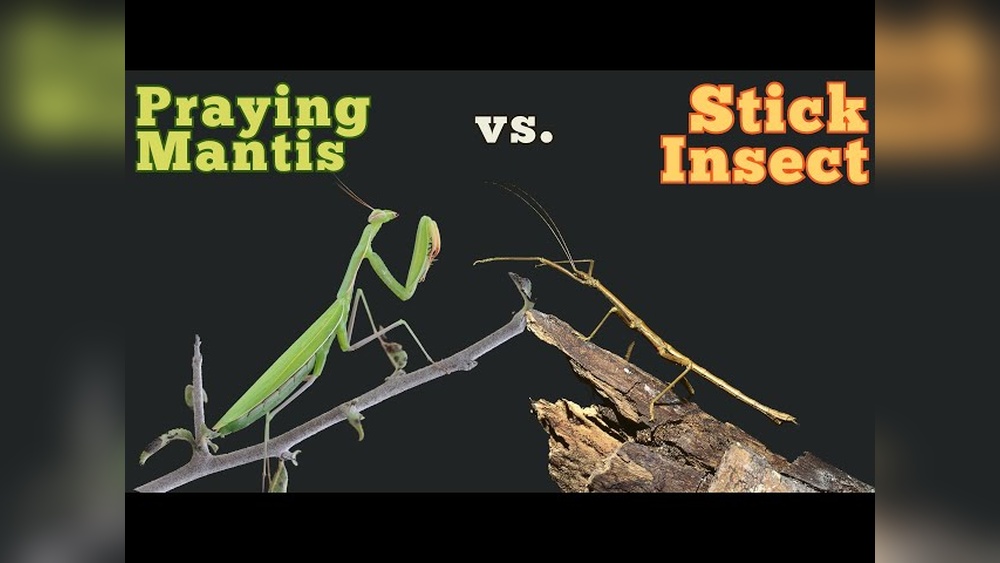
Have you ever come across a walking stick or a praying mantis and wondered what makes them different? At first glance, these insects might look quite similar.
But if you take a closer look, you’ll see they have unique features that set them apart. Understanding these differences can help you appreciate nature’s clever designs and even spot them more easily next time you’re outside. Keep reading, and you’ll discover surprising facts that might change the way you see these fascinating creatures forever.
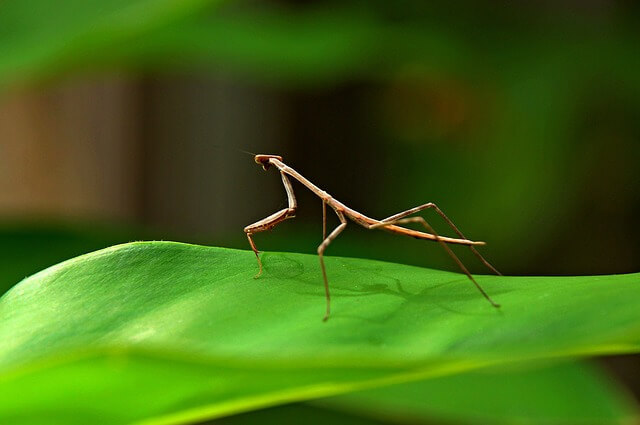
Credit: yougethere.com
Walking Stick Basics
Walking sticks are insects known for their remarkable camouflage. They look like thin sticks or twigs. This helps them hide from predators easily. Their simple appearance is their best defense. Understanding walking sticks helps us see how different they are from praying mantises.
Physical Features
Walking sticks have long, thin bodies. Their shape looks like a stick or twig. Legs are slender and stretched out. Colors range from brown to green. Some have small bumps or ridges on their bodies. They do not have large eyes or front claws like mantises.
Habitat And Behavior
Walking sticks live mostly in forests and gardens. They stay still on branches or leaves. Their main defense is to blend in with plants. They move slowly and quietly. At night, they may become more active. They do not hunt other insects.
Diet And Feeding
Walking sticks eat leaves and plant parts. They chew on leaves gently. They prefer fresh, green leaves. They do not eat meat or other insects. Their feeding helps control plant growth in small ways.

Credit: maypoleofwisdom.com
Praying Mantis Essentials
The praying mantis is a fascinating insect with unique features. It looks different from many bugs and has special ways to catch food. Its life cycle also shows interesting changes from birth to adulthood.
Understanding the praying mantis helps to see how it lives and survives. This section explains its look, hunting style, and growth stages.
Distinctive Appearance
Praying mantises have a slender, elongated body. Their front legs bend like they are praying. They often have green or brown colors to blend with plants. Their triangular head can turn from side to side. Large eyes give them sharp vision.
Hunting Techniques
These insects are skilled hunters. They stay still and wait for prey to come close. Then, they strike quickly with their front legs. Their legs have spikes to hold the prey tight. They eat insects like flies, crickets, and sometimes small frogs.
Life Cycle
The life cycle starts with eggs laid in a foam case. Eggs hatch into small nymphs that look like tiny adults. Nymphs shed their skin many times as they grow. After several molts, they become full-grown mantises. The whole process takes a few months.
Comparing Physical Traits
Walking sticks and praying mantises look alike at first glance. Both insects use their bodies to blend into the environment. They share some traits but also have clear differences. Comparing their physical traits helps us see what makes each unique.
Body Structure
Walking sticks have long, thin bodies that resemble twigs. Their legs are slender and stick out straight. Praying mantises have wider bodies with a distinct triangular head. They have large, strong front legs used for catching prey. Their eyes are big and face forward.
Camouflage Abilities
Walking sticks mimic sticks or branches perfectly. They stay still for hours to avoid being seen. Their colors range from brown to green, matching plants. Praying mantises use leaf-like shapes and colors to hide. Some look like flowers or leaves to catch insects.
Movement Patterns
Walking sticks move slowly and carefully. They sway to copy the movement of branches in the wind. Praying mantises move faster and with purpose. They can turn their heads and strike quickly with their front legs. This helps them catch prey and stay alert.

Credit: www.reddit.com
Differences In Behavior
Walking sticks and praying mantises may look similar but behave very differently. Their habits show unique ways to survive and thrive in nature. Understanding these behaviors helps to see how each insect fits into its environment. Below are the main differences in their behavior.
Feeding Habits
Walking sticks eat only plants. They use their strong jaws to chew leaves. They move slowly to avoid being noticed by predators. Praying mantises are hunters. They catch live insects with quick, strong front legs. They eat flies, moths, and even small frogs. Their hunting is active and fast.
Defense Mechanisms
Walking sticks rely on camouflage. They look like twigs or sticks to hide from enemies. They stay still and blend into trees or bushes. Praying mantises use different tactics. They can stay still but also strike fast if threatened. Some mantises spread their front legs wide to look bigger. This scares predators away.
Reproductive Strategies
Walking sticks lay many eggs on leaves or bark. The eggs look like seeds, hiding from predators. Baby walking sticks look like tiny adults. Praying mantises lay eggs in a foam mass. This hardens to protect the eggs from harm. After hatching, young mantises grow by shedding their skin many times.
Ecological Roles
Walking sticks and praying mantises play unique roles in nature. Their ecological roles help keep ecosystems balanced. Both insects affect the environment and other species in different ways.
Impact On Environment
Walking sticks mainly feed on leaves. They help control plant growth by eating leaves. This prevents some plants from taking over. Their camouflage protects them from predators. This keeps their population steady. Praying mantises are hunters. They eat many insects like flies and caterpillars. This helps reduce pests that harm plants. Both insects support healthy plant life indirectly.
Interactions With Other Species
Walking sticks are mostly prey for birds and small mammals. Their stillness and stick-like bodies help them hide. They rarely attack other animals. Praying mantises are predators. They catch and eat insects and sometimes small frogs. They help control insect populations. Both insects are part of the food chain. They provide food for larger animals. Their presence helps maintain balance in nature.
Frequently Asked Questions
What Distinguishes A Walking Stick From A Praying Mantis?
A walking stick is an insect known for its stick-like appearance. A praying mantis is a predatory insect with folded forearms. They differ in shape, behavior, and hunting methods. Walking sticks are herbivores, while praying mantises are carnivores.
How Do Walking Sticks And Praying Mantises Differ In Habitat?
Walking sticks prefer dense vegetation and forests for camouflage. Praying mantises inhabit gardens, grasslands, and shrubs. Both use their environment for protection, but mantises actively hunt prey, unlike walking sticks.
Why Do Walking Sticks Resemble Twigs More Than Praying Mantises?
Walking sticks evolved to mimic twigs for camouflage against predators. Their elongated bodies and colors blend with branches. Praying mantises have a more distinct shape for hunting and do not rely solely on twig mimicry.
Are Walking Sticks Or Praying Mantises Beneficial For Gardens?
Praying mantises are beneficial as natural pest controllers, eating harmful insects. Walking sticks mainly feed on leaves and do not control pests. Gardeners value mantises for reducing insect damage naturally.
Walking sticks and praying mantises may look alike but differ a lot. Walking sticks blend in by looking like twigs. Praying mantises move quickly and have strong front legs to catch prey. Both use camouflage to stay safe. Knowing their differences helps you see nature’s clever designs.
Next time you spot one, you can tell which is which. Nature’s surprises are everywhere, waiting to be noticed. Keep watching closely and enjoy learning about these unique insects.

Tariqul
Tariqul is a dedicated health and wellness blogger with a background in health sciences. With years of experience in patient education and health communication, he focuses on providing accurate, easy-to-understand information to help readers make informed decisions about their well-being. Passionate about bridging the gap between clinical knowledge and everyday life, Tariqu ensures his content is both practical and medically sound.