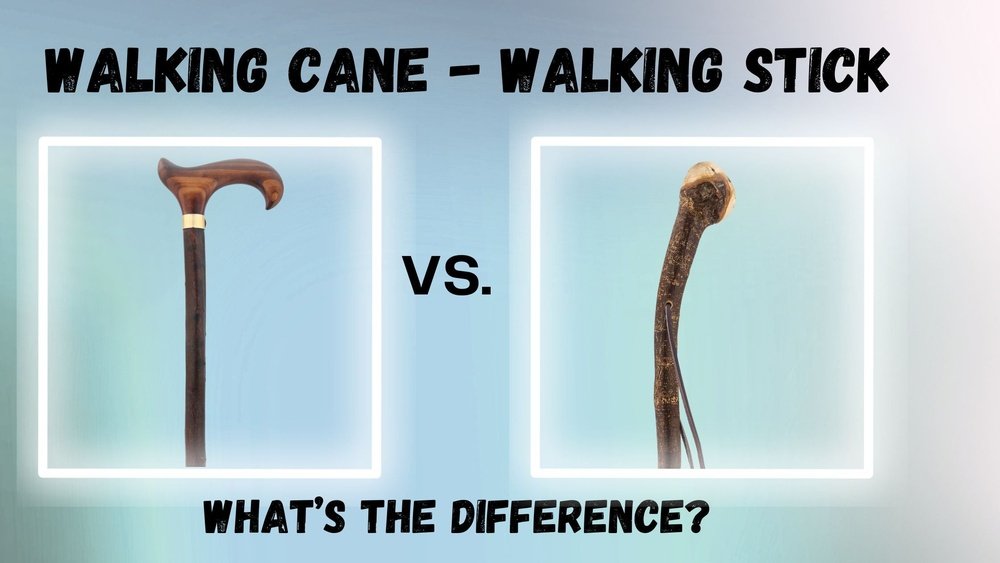
Are you wondering whether you should choose walking sticks or walking poles for your next outdoor adventure? It can be confusing because they both seem similar, but the right choice can make a big difference in your comfort and safety.
Knowing the difference helps you get the support you need, reduces strain on your body, and makes walking more enjoyable. Keep reading to discover what sets walking sticks and walking poles apart—and find out which one suits your style and needs best.
Your next step could be easier than you think!
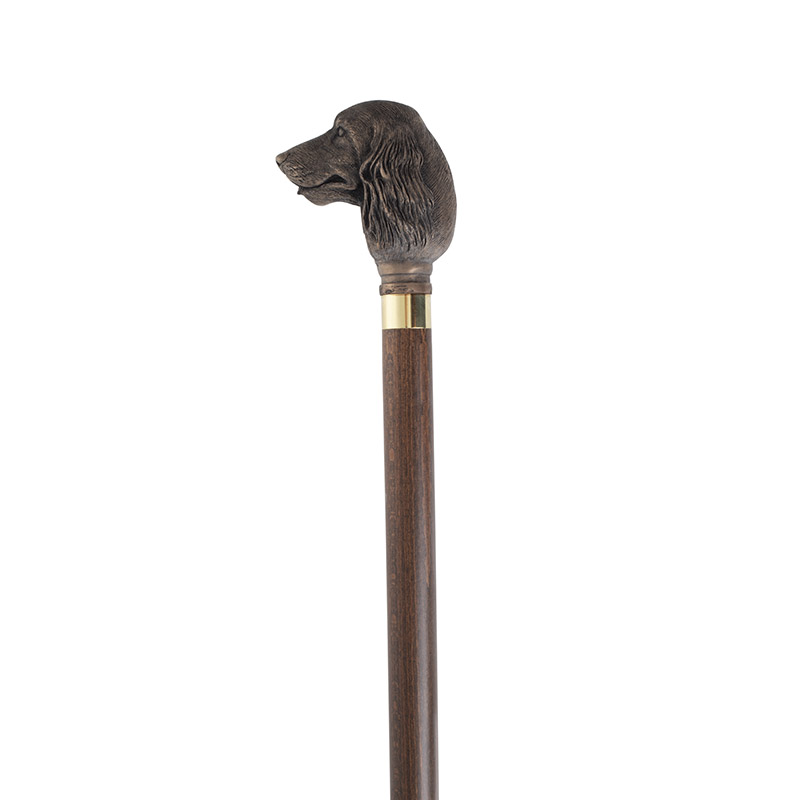
Credit: www.walkingsticks.co.uk
Walking Sticks Basics
Walking sticks are simple tools that help with balance and support while walking. They have been used for centuries by travelers, hikers, and people with mobility needs. Understanding their basics helps to know how they differ from walking poles.
Design And Structure
Walking sticks usually have a straight, single shaft. They are often carved from wood or made from lightweight materials. The top end may have a handle for grip, while the bottom has a tip for traction. They do not have adjustable length or extra features.
Common Uses
People use walking sticks for hiking, walking on uneven ground, or as a fashion accessory. They help to reduce stress on legs and improve stability. Many use them during long walks or when going uphill and downhill.
Materials And Styles
Walking sticks come in many materials like wood, bamboo, or metal. Some are plain and simple, while others have decorative carvings or designs. Styles vary from rustic and traditional to modern and colorful.
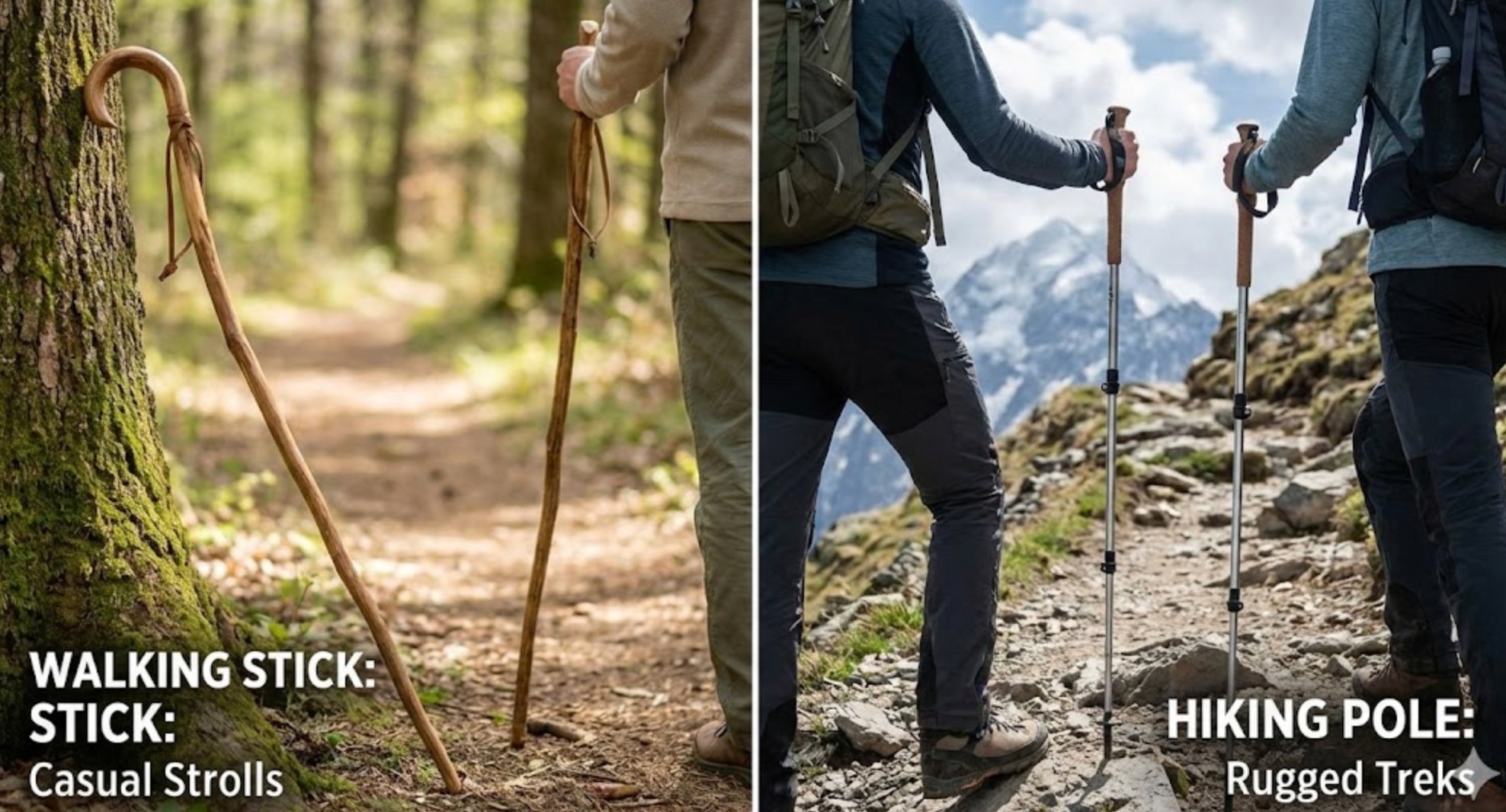
Credit: www.canesgalore.com
Walking Poles Essentials
Walking poles help people move with more support and balance. They make walking easier on rough paths or steep hills. Knowing the basics about walking poles helps you choose the right one for your needs.
These tools offer more than just support. They improve your walking style and protect your joints. Understanding their key features makes your outdoor experience safer and more fun.
Design Features
Walking poles usually have adjustable lengths. This helps users set the pole height to fit their body. Many poles have comfortable grips made of foam or cork. They come with wrist straps to keep the poles attached.
The tips are often made from strong materials like carbide. Some tips have rubber covers to protect surfaces and reduce noise. Shock-absorbing systems are common to reduce stress on arms.
Typical Activities
Walking poles are popular in hiking and trekking. They offer stability on uneven or slippery ground. People use them for Nordic walking, a fitness activity using poles for exercise. Poles also help during snowshoeing and backpacking trips.
These poles help reduce strain on knees and hips. They improve posture and increase walking speed. Many walkers use poles to feel more secure on long journeys.
Material Choices
Common materials include aluminum and carbon fiber. Aluminum poles are affordable and durable but a bit heavier. Carbon fiber poles are light and strong but cost more.
Some poles combine materials for better strength and weight balance. Foam and cork grips offer comfort and reduce sweat. Choosing the right material affects the pole’s weight and durability.
Key Differences
Walking sticks and walking poles look similar but serve different needs. Knowing their key differences helps you pick the right one. Each has unique features suited for various activities and users.
Purpose And Functionality
Walking sticks mainly offer balance and support. They help steady your steps on flat or uneven ground. Walking poles are designed for hiking and trekking. They provide extra power and reduce strain on joints.
Adjustability And Weight
Walking poles often come with adjustable lengths. This feature adapts to different terrains and user heights. Walking sticks usually have a fixed length. Poles are lighter, made from materials like aluminum or carbon fiber. Sticks tend to be heavier, often made from wood.
Grip And Support
Walking poles have ergonomic grips with wrist straps. These improve control and reduce hand fatigue. Walking sticks have simple handles, sometimes curved or straight. Poles offer more wrist support, ideal for long hikes. Sticks provide solid support for casual walking.
Choosing Between Sticks And Poles
Choosing between walking sticks and walking poles depends on several factors. Each has unique features that suit different needs. Understanding these can help pick the best option for your activity. Consider the type of activity, personal preference, and the environment where you will use them.
Activity Type Considerations
Walking sticks work well for casual walks and light hiking. They provide simple support and balance. Walking poles suit more intense activities like trekking or trail running. They offer better stability and reduce strain on joints. Choose based on how active and challenging your routes are.
User Preferences
Some prefer walking sticks for their simplicity and traditional look. They are easy to carry and use. Poles appeal to those who want adjustable length and extra features. Poles often have grips and wrist straps for comfort. Think about what feels better in your hands and fits your style.
Terrain And Environment
Walking sticks perform well on flat or gentle trails. They help maintain balance on smooth paths. Poles are better on rough, steep, or slippery terrain. They provide extra support and reduce the chance of falls. Pick your tool based on the ground conditions you expect.
Maintenance Tips
Proper maintenance keeps walking sticks and poles in good shape. It helps them last longer and work better. Simple care routines prevent damage and save money. Understanding maintenance needs is key for all users.
Cleaning And Care
Remove dirt and mud after each use. Use a soft cloth with warm water. Avoid harsh chemicals that can damage the material. Dry the sticks or poles fully to stop rust or mold. Check locking mechanisms for dirt and clean gently.
Storage Recommendations
Store walking sticks and poles in a dry place. Keep them away from direct sunlight to prevent fading. Avoid places with extreme temperatures. Hang them or keep them standing upright. This stops bending or warping over time.
Replacement Parts
Check tips and grips regularly for wear. Replace worn rubber tips to keep good traction. Look for cracks or damage in handles and locks. Use original parts designed for your model. Regular part replacement keeps your walking stick or pole safe.
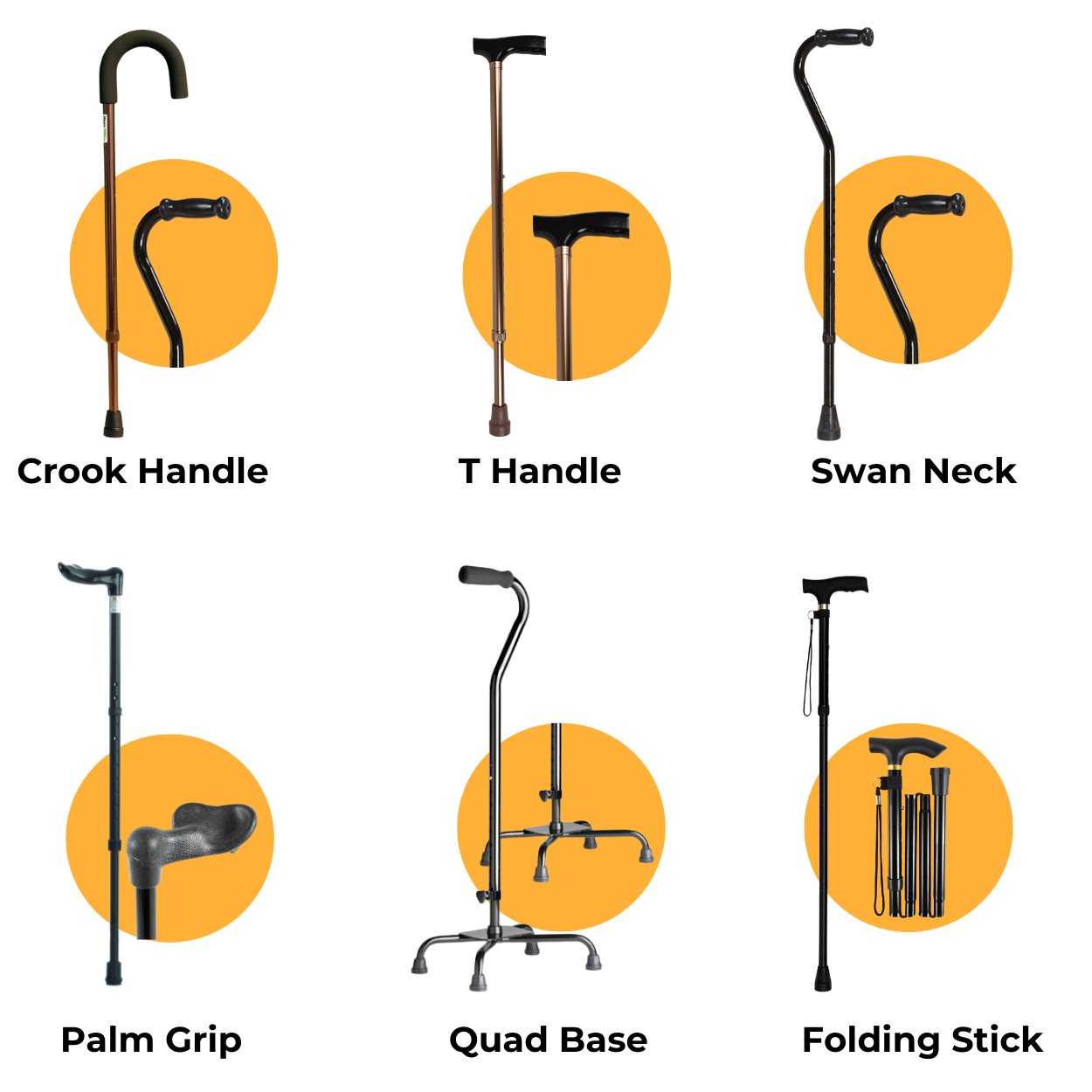
Credit: medcart.com.au
Frequently Asked Questions
What Is The Main Difference Between Walking Sticks And Poles?
Walking sticks are single, solid supports mainly for balance. Walking poles come in pairs and provide extra stability and power. Poles often have adjustable lengths and wrist straps, making them ideal for hiking and trekking.
Are Walking Poles Better For Hiking Than Walking Sticks?
Yes, walking poles offer better support on uneven terrain. They reduce stress on joints and improve walking rhythm. Walking sticks provide balance but lack the multi-functionality of poles during long hikes.
Can Walking Sticks Be Used Like Walking Poles?
Walking sticks can provide balance but lack pole features. They usually don’t have adjustable lengths or wrist straps. Poles are more versatile for trekking and offer better shock absorption.
Which Is More Portable: Walking Sticks Or Walking Poles?
Walking poles are typically collapsible, making them more portable. Walking sticks are usually a single solid piece and less compact. Poles fit easily in backpacks for travel and hiking.
Conclusion
Walking sticks and walking poles help with balance and support. Walking sticks are simple and easy to use. Walking poles offer extra stability and help with workouts. Both tools improve walking comfort and safety. Choose what fits your needs and style best.
Enjoy your walks with the right support. Stay steady, confident, and comfortable every step.

Tariqul
Tariqul is a dedicated health and wellness blogger with a background in health sciences. With years of experience in patient education and health communication, he focuses on providing accurate, easy-to-understand information to help readers make informed decisions about their well-being. Passionate about bridging the gap between clinical knowledge and everyday life, Tariqu ensures his content is both practical and medically sound.