Have you ever wondered what sets a walking stick apart from a staff? At first glance, they might look similar, but knowing the difference can make a big impact on how you use them.
Whether you’re hiking, exploring, or just looking for extra support, choosing the right one matters. You’ll discover the key features that separate a walking stick from a staff. By the end, you’ll feel confident picking the perfect companion for your next adventure or daily walk.
Keep reading to find out which one suits your needs best!
Purpose And Use
The purpose and use of a walking stick and a staff differ based on how people rely on them in daily life and special settings. Both tools provide support and can serve multiple roles, but their functions often depend on the situation and cultural context. Understanding these differences helps you choose the right one for your needs.
Everyday Support
A walking stick is mainly designed to help you maintain balance and reduce strain on your legs while walking. Many people use it during hikes or when recovering from an injury. It’s lightweight and easy to carry, making it practical for daily use.
On the other hand, a staff is usually longer and sturdier, offering more stability on rough terrain or uneven ground. If you’ve ever tried hiking with a staff, you know it feels more like an extension of your arm, helping you push forward with power. Would you prefer the lighter feel of a walking stick or the firm support of a staff during long walks?
Ceremonial Roles
Walking sticks often appear as symbols of authority or status in various cultures. Leaders or elders may carry elaborately designed walking sticks during ceremonies or official events. The stick here is more than just a tool—it’s a sign of respect and tradition.
Staffs take this a step further in ceremonial use. Think of religious leaders or shamans holding a staff as a symbol of spiritual power or connection. The staff’s length and decoration usually carry deep meanings tied to rituals and ancient customs.
Self-defense
You might not expect it, but both walking sticks and staffs can be used for self-defense. Walking sticks offer a discreet way to protect yourself in unexpected situations. Their manageable size allows you to react quickly without drawing too much attention.
Staffs, being longer and stronger, provide a greater reach and can deliver more forceful strikes. If you’ve ever seen martial arts demonstrations involving staffs, you know how effective they can be. Would having a staff give you more confidence walking alone at night?

Credit: www.amazon.com
Design And Structure
The design and structure of a walking stick and a staff show clear differences. Both serve as support tools but have distinct features. These features affect how each feels and performs.
Length And Thickness
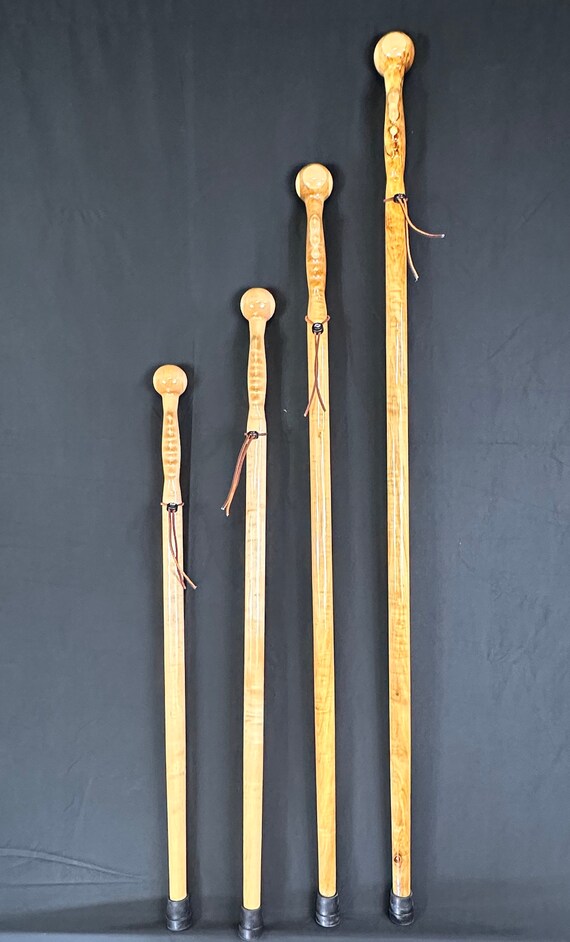
A walking stick is usually shorter, about waist height or less. It is thin and light for easy carrying. A staff is longer, often reaching the chest or shoulder. It is thicker and stronger for heavy use.
Material Choices
Walking sticks often use lightweight materials like wood or aluminum. These make walking easier and less tiring. Staffs use sturdy materials such as hardwood or metal. They need to withstand more force and last longer.
Handle Styles
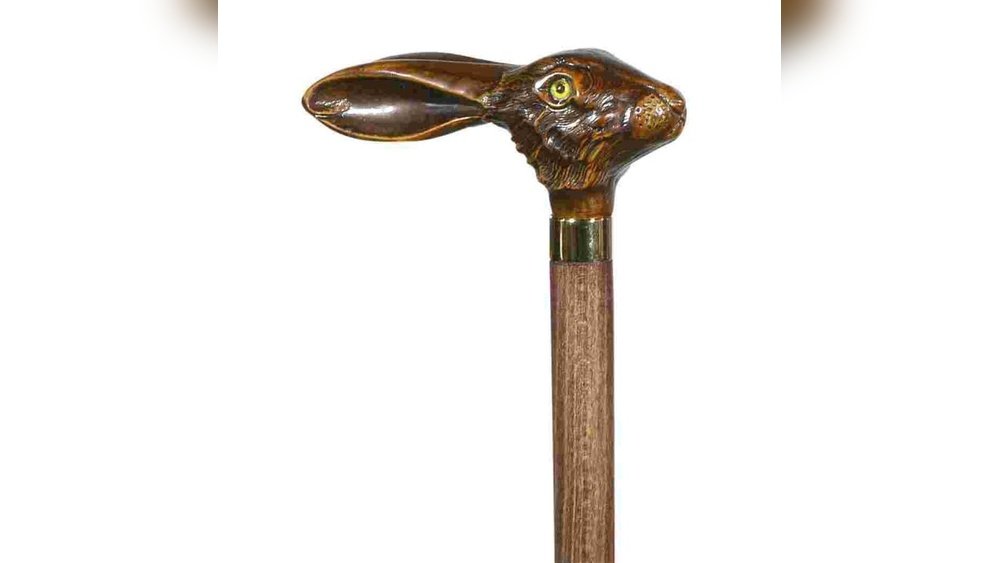
Walking sticks have shaped handles like curved or ergonomic grips. These provide comfort for long walks. Staffs tend to have simpler tops, sometimes flat or rounded. The focus is more on strength than comfort.
Cultural Significance
The cultural significance of walking sticks and staffs runs deep across many societies. Both have served not just as tools, but as symbols. Their meanings go beyond support or defense. They often represent power, status, or spiritual beliefs. Understanding these differences helps us appreciate their roles in history and culture.
Historical Context
Walking sticks and staffs have appeared in many ancient civilizations. Kings and leaders often carried staffs as a sign of authority. Common people used walking sticks mainly for support during travel. In some cultures, staffs were part of religious ceremonies. They marked leadership and connection to the divine. Walking sticks, on the other hand, were practical and personal items. Their designs varied based on the region and purpose.
Symbolism In Different Cultures
In African cultures, staffs symbolize wisdom and leadership. They often feature intricate carvings telling stories or showing rank. In Asia, walking sticks sometimes carry spiritual meanings. They can represent a pilgrim’s journey or protection from evil. European traditions link staffs to magic and folklore. Wizards and shamans use them as tools of power. Walking sticks often show craftsmanship and personal style. Both items carry deep symbolic weight beyond their physical use.
Credit: www.etsy.com
Practical Benefits
Walking sticks and staffs offer practical benefits for daily use. Both help people move more easily and safely. Choosing between them depends on what you need most. Below, explore the key benefits each provides.
Mobility Assistance
Walking sticks support your weight while walking. They reduce pressure on your legs and knees. This helps if you have pain or weakness. Staffs also assist with movement but offer stronger support. They suit rough or uneven paths better. Both tools make walking easier and less tiring.
Balance And Stability
Walking sticks improve your balance on flat surfaces. They stop you from slipping or falling. Staffs provide extra stability because they are longer and sturdier. They help keep your body steady on hills or rocky ground. Using a stick or staff lowers the chance of accidents.
Portability
Walking sticks are light and easy to carry. You can fold some models for small bags. They fit well into daily life and travel. Staffs are heavier and longer, so less portable. They work best for outdoor activities or hikes. Choose a walking stick for easy transport and a staff for strength.
Choosing Between Them
Choosing between a walking stick and a staff depends on several factors. Both tools help with balance and support. Yet, their design and purpose differ. Understanding these differences helps you pick the right one for your needs.
User Needs
Think about why you need support. A walking stick suits light balance help. It is ideal for short walks or small hikes. A staff offers more strength and stability. It is better for rough trails or heavy loads. Your health and mobility level matter too. Choose what fits your physical condition best.
Activity Type
Consider the activity you plan to do. Walking sticks work well on flat or gentle paths. They are easy to carry and use. Staffs excel in tough, uneven terrain. They protect against obstacles and provide strong support. Match your choice with the type of outdoor activity. This makes your journey safer and more comfortable.
Personal Preference
Style and comfort are important. Walking sticks are lighter and shorter. They often have ergonomic handles for comfort. Staffs are longer and heavier. They give a sense of tradition and strength. Some prefer a staff’s solid feel. Others like the walking stick’s convenience. Pick the one that feels right in your hand.

Credit: www.amazon.com
Frequently Asked Questions
What Is The Main Difference Between A Walking Stick And A Staff?
A walking stick is shorter and used for support during walking. A staff is longer, often used for balance or as a symbol of authority.
Are Walking Sticks And Staffs Made From Different Materials?
Both can be made from wood, metal, or composite materials. However, staffs are usually sturdier and thicker for more support.
Can A Walking Stick Be Used As A Weapon Like A Staff?
Walking sticks offer limited protection, while staffs are designed for defense or martial arts purposes. Staffs are generally more effective.
Which Is Better For Hiking: A Walking Stick Or A Staff?
Walking sticks are more practical for hiking due to their lighter weight and easier handling compared to staffs.
Conclusion
A walking stick and a staff serve different purposes. A walking stick helps with balance and support. A staff is often longer and used for protection or ceremonies. Both have a rich history and unique designs. Choosing one depends on your needs and style.
Now, you can spot the differences easily. Use this knowledge to pick the right one for your journey. Simple, practical, and clear.

Tariqul
Tariqul is a dedicated health and wellness blogger with a background in health sciences. With years of experience in patient education and health communication, he focuses on providing accurate, easy-to-understand information to help readers make informed decisions about their well-being. Passionate about bridging the gap between clinical knowledge and everyday life, Tariqu ensures his content is both practical and medically sound.