
Can a child walk on a toddler fracture? If your little one has suddenly started limping or refusing to put weight on their leg after a fall or twist, you might be wondering if they can still walk or if something more serious is going on.
Toddler fractures are common but tricky injuries that can be hard to spot right away. You may notice pain, swelling, or fussiness, but no obvious signs of a break. Understanding whether walking is safe and what symptoms to watch for can help you protect your child and get the right care quickly.
Keep reading to learn what a toddler fracture really means for your child’s ability to walk and how you can support their healing.
Table Of Contents
- 1 Symptoms Of Toddler Fracture
- 2 Causes And Risk Factors
- 3 Diagnosis Process
- 4 Treatment Options
- 5 Walking On A Toddler Fracture
- 6 Home Care Tips
- 7 When To Seek Immediate Help
- 8 Frequently Asked Questions
Symptoms Of Toddler Fracture
Toddler fractures can be hard to spot at first. These breaks often happen in young children’s legs after a twist or fall. The symptoms may not look very serious but should not be ignored. Knowing what signs to watch for helps in finding care quickly. This section covers key symptoms that point to a toddler fracture.
Refusal To Walk Or Bear Weight
One clear sign is when a child stops walking or putting weight on a leg. They may cry or resist standing up. This behavior shows the injury causes pain or discomfort.
Pain And Tenderness
Children may show pain by crying or fussing, especially when touched. The area around the break can be very tender. Even light pressure might cause discomfort.
Swelling And Bruising
Swelling often develops near the fracture site. The skin may look red or puffy. Bruising may appear but is sometimes very faint or missing.
Difficulty Moving Limb
The child might avoid using the injured arm or leg. Moving the limb can seem hard or painful. This limited movement is a sign of bone injury.
Limping Patterns
A limp may appear soon after the injury. It can be steady or come and go. Limping shows the child is trying to protect the hurt leg.
Behavioral Changes
Injured toddlers may act differently. They might cling more to adults or become restless. Changes in sleep or eating habits are common too.
Visible Deformity
Sometimes the limb looks misshapen or out of place. This visible change suggests a serious break. Most toddler fractures, however, do not show clear deformity.
Audible Injury Sounds
Parents may hear a “pop” or “snap” sound when the injury happens. This noise can signal a bone break. Not all fractures make a sound, but it is a helpful clue.
Causes And Risk Factors
Toddler fractures often occur from everyday activities that cause stress on young bones. Understanding the causes and risk factors helps parents recognize possible injuries early. These fractures are common in active toddlers exploring their environment.
Young children’s bones are softer and more flexible but can still break from certain movements or accidents. Small twists or falls can lead to a fracture even without a heavy impact. Identifying common scenarios that cause these injuries is important for timely care.
Twisting Injuries
Twisting the leg or foot suddenly can cause a toddler fracture. This often happens during running or walking. The bone may crack under pressure without a clear break. Twisting injuries sometimes occur when a child’s foot gets caught while moving quickly.
Falls And Slides
Falls from low heights, like beds or furniture, can cause fractures. Sliding down a slide is another common cause. If the foot twists or gets stuck during a slide, the bone may break. Even small falls can result in pain and swelling in toddlers.
Common Playground Accidents
Playgrounds are frequent places for toddler fractures. Climbing, running, or jumping can lead to injuries. Uneven surfaces or tripping over equipment increase risk. Rough play or collisions with other children might also cause fractures in young bones.
Diagnosis Process
The diagnosis process for a toddler fracture involves several key steps. Doctors carefully assess symptoms and physical signs. Early detection helps ensure proper treatment and healing.
Physical Examination
The doctor checks the injured limb for swelling and tenderness. They observe how the child moves or uses the limb. Pain during movement or touch is a strong indicator. The doctor also looks for bruising or deformity. Sometimes, the child may refuse to walk or bear weight.
Use Of X-rays
X-rays help reveal fractures that are not visible externally. Doctors take images of the suspected area to confirm the break. Toddler fractures can be subtle and hard to spot at first. Follow-up X-rays may be needed if the first is unclear. This imaging guides doctors on the best treatment approach.
Challenges In Detecting Fractures
Toddler fractures often show few obvious signs. The bone break may be small and hidden in early images. Children may not clearly express their pain or location. Symptoms like fussiness or limping can be mistaken for other issues. Accurate diagnosis requires careful exam and sometimes repeated imaging.
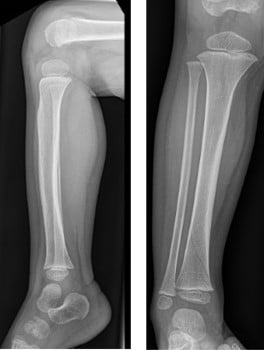
Credit: www.childrensmercy.org
Treatment Options
Toddler fractures need careful treatment to help a child heal safely. Proper care reduces pain and prevents further injury. Treatment focuses on stabilizing the bone and allowing it to mend properly. Options vary depending on the fracture’s severity and the child’s comfort.
Removable Walking Boots
Removable walking boots protect the injured leg while letting a child move. These boots limit motion to help the bone heal. They are easy to take off during baths or rest times. Boots provide support without the stiffness of a cast.
Splints And Casts
Splints and casts keep the broken bone in place. Splints allow some swelling and can be adjusted. Casts fully encase the injured area for firm support. They prevent the child from putting too much weight on the fracture. Doctors decide which option fits best.
Pain Relief Methods
Pain relief helps the child stay comfortable during healing. Doctors may recommend over-the-counter medicines like acetaminophen or ibuprofen. Applying ice to the injury reduces swelling and eases pain. Comfort measures improve rest and mood.
Activity Adjustments
Adjusting activities protects the fracture from stress. The child should avoid running, jumping, or rough play. Gentle walking is often allowed with support. Rest and limited movement speed up recovery and lower pain.
Walking On A Toddler Fracture
Walking on a toddler fracture raises many questions for parents. This type of fracture is common in young children, often caused by twisting injuries. It affects the shin bone and can be painful. Understanding when and how a child can walk helps prevent further injury. Careful monitoring ensures safe healing and comfort for your child.
Is It Safe To Walk?
Walking on a toddler fracture is usually not safe at first. The bone is cracked and needs rest. Putting weight on the leg can cause pain and slow healing. Doctors often recommend keeping the child off the injured leg. Using crutches or a cast may be necessary to protect the bone.
When To Allow Weight Bearing
Weight bearing should start only after a doctor’s advice. Usually, this happens once pain decreases and healing begins. Some children may start walking gently within a few weeks. Follow-up visits and X-rays help decide the right time. Moving too soon can worsen the injury.
Signs Walking Is Causing Harm
Watch for signs your child is hurting the fracture by walking. Increased pain or swelling is a warning. If your child refuses to walk or limp gets worse, stop walking. Look for redness or warmth around the injury. These signs mean the fracture needs more rest and care.

Credit: dontforgetthebubbles.com
Home Care Tips
Proper home care is essential for a toddler with a fracture. It helps reduce pain and speeds up healing. Parents and caregivers must follow simple steps to ensure the child stays comfortable and safe.
These tips focus on protecting the injury, watching for problems, and helping the child stay active in a safe way.
Keeping The Cast Or Boot Dry
Water can weaken the cast or boot and cause skin problems. Use a plastic bag or cover during baths. Avoid letting the child play in water while the cast or boot is on. Check often for wet spots or damage to the covering.
Monitoring For Complications
Look for signs of trouble such as increased pain, swelling, or redness. Notice if the child’s toes change color or feel cold. Watch for fever or unusual behavior. Contact the doctor if any warning signs appear to prevent serious issues.
Encouraging Healing Activities
Let the child move gently within comfort limits. Encourage sitting, playing with toys, or light walking if allowed. Avoid rough or high-impact activities. Simple movements help blood flow and support healing without strain.
When To Seek Immediate Help
Recognizing when a toddler fracture requires urgent medical attention is crucial. Some symptoms suggest the injury might be worsening or complicated. Acting quickly can prevent further harm and help your child heal faster.
Keep a close watch on your child’s symptoms. Not all pain or swelling means emergency care, but certain signs must not be ignored.
Increasing Pain Or Swelling
Watch for pain that gets worse over time. Swelling that grows or becomes hard can signal a problem. If your child cries more when touching or moving the limb, seek help fast.
Changes In Limb Color Or Temperature
Look for changes in skin color, such as pale, blue, or very red areas. The limb feeling cold or hot compared to the other side can mean poor blood flow. These signs need immediate evaluation by a doctor.
Signs Of Infection
Infections may develop if the skin near the injury breaks or if swelling and redness spread quickly. Fever, warmth, or pus coming from the area are warning signs. Prompt medical care is necessary to treat infections early.

Credit: www.youtube.com
Frequently Asked Questions
How Do I Know If My Toddler Has A Fracture?
Signs of a toddler fracture include refusal to walk, pain, swelling, tenderness, limping, and difficulty moving the limb. Watch for fussiness or a popping sound during injury. Seek immediate medical care for diagnosis and treatment with an exam and X-rays.
What Do They Do For A Toddler Fracture?
Doctors treat toddler fractures by using removable walking boots or splints for support and comfort. They allow walking and protect the bone while it heals. Rest, limited weight-bearing, and follow-up visits ensure proper recovery. Pain relief and monitoring help manage symptoms during healing.
How Do I Know If My Toddler Has A Hairline Fracture?
Signs of a toddler hairline fracture include refusal to walk, pain, swelling, tenderness, limping, and fussiness after a fall or twist. Seek medical care immediately for an exam and X-rays to confirm diagnosis.
What Is The Most Common Fracture In Toddlers?
The most common fracture in toddlers is the toddler’s fracture, a hairline break in the shinbone. It often occurs after a twisting injury.
Can A Child Walk With A Toddler Fracture?
Some children may still walk with a toddler fracture, but they often limp or refuse to bear weight. Walking can cause pain and worsen the injury. It’s best to limit walking until a doctor evaluates the fracture.
A toddler fracture can cause pain and difficulty walking. Many children try to walk despite the injury. Walking on the fracture may increase pain and slow healing. Rest and proper medical care help the bone heal well. Follow the doctor’s advice for the best recovery.
Watch your child closely for signs of worsening pain. Early treatment reduces complications and speeds up healing. Protect your child’s foot until the fracture fully heals.

Tariqul
Tariqul is a dedicated health and wellness blogger with a background in health sciences. With years of experience in patient education and health communication, he focuses on providing accurate, easy-to-understand information to help readers make informed decisions about their well-being. Passionate about bridging the gap between clinical knowledge and everyday life, Tariqu ensures his content is both practical and medically sound.