Have you ever wondered what really sets a walking stick apart from a staff? At first glance, they might look similar, but knowing the difference can make a big impact on how you use them.
Whether you need extra support, want to enhance your outdoor adventures, or are simply curious, understanding these two can help you choose the right one for your needs. Keep reading, and by the end, you’ll see why this small distinction matters more than you think.

Credit: www.amazon.com
Purpose And Use
The purpose and use of walking sticks and staffs differ greatly. Both help people in various ways. Each has unique roles in daily life and special events.
Support And Mobility
A walking stick helps people walk better. It gives balance and reduces stress on legs. People use it for hiking or walking long distances. A staff is often stronger and longer. It supports weight for climbing steep paths. Both provide safety on rough terrain.
Walking sticks suit those needing light support. Staffs work well for heavy-duty use. They help carry loads or push through thick brush. Each aids mobility but in different ways.
Symbolic And Ceremonial Roles
Staffs often hold symbolic meaning. Leaders, shamans, or elders carry staffs in ceremonies. They show power, wisdom, or authority. Walking sticks rarely have such roles. They are mostly practical tools for daily use.
In some cultures, staffs are decorated with carvings or symbols. They mark important events or status. Walking sticks focus on function more than form. Both have value but serve different purposes.
Design And Structure
The design and structure of a walking stick and a staff differ in many ways. These differences affect how each tool is used and carried. Both serve as support, but their shapes and builds suit different needs.
Length And Thickness
A walking stick is usually shorter, about waist height or less. This makes it easy to carry and use for short walks. A staff is longer, often reaching up to the chest or shoulder. Its length helps with balance on rough ground. Walking sticks tend to be thinner. This makes them lighter and easier to handle. Staffs are thicker and stronger to provide more support and protection.
Materials And Craftsmanship
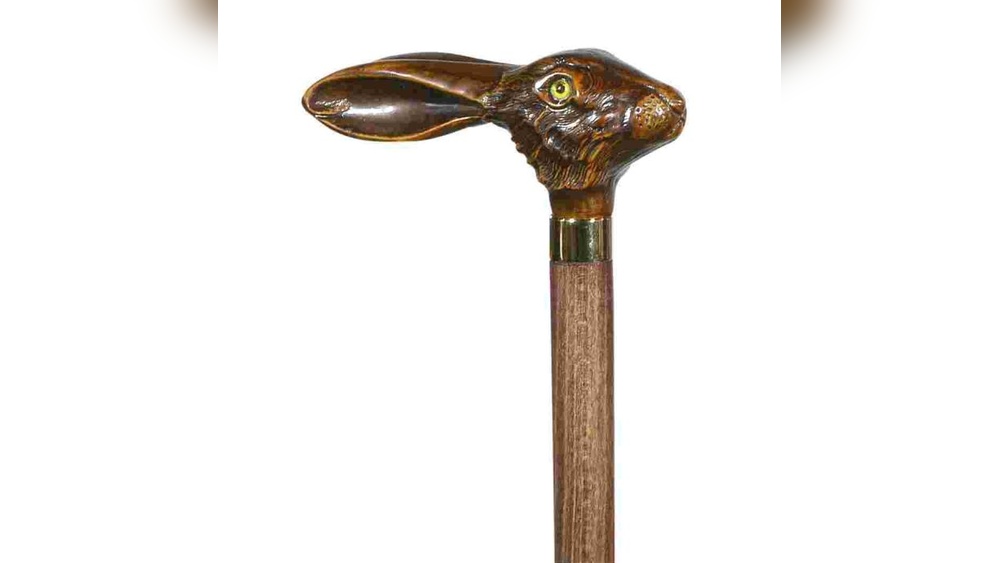
Walking sticks often use lighter woods or metal. Their designs can be simple or decorative. Many walking sticks have carved handles for comfort. Staffs are made from strong, dense wood or heavy materials. They may include metal tips or bands for durability. Craftsmanship focuses on strength and function. Some staffs are plain, while others show detailed work or symbols.
Historical Context
The historical context of walking sticks and staffs reveals their deep roots in human culture. Both tools served important roles beyond simple support. Their designs and uses changed over time.
Evolution Of Walking Sticks
Walking sticks started as simple wooden sticks for balance. People used them to aid walking on rough paths. Over centuries, walking sticks became symbols of status and fashion. Some were decorated with carvings and precious materials. They also served as tools for protection. Walking sticks evolved from practical items to style statements.
Whether you’re using your stick for travel or fitness, always ensure you are aware of the rules. Check our guide on Essential Travel Guidelines for Walking Sticks before your next trip.
Origins Of The Staff
The staff is one of the oldest tools humans used. It often had a spiritual or leadership role. Staffs appeared in ancient ceremonies and rituals. Leaders and shamans carried staffs to show power. Warriors used staffs as weapons in battle. The staff symbolized strength and authority across many cultures.

Credit: www.motherearthnews.com
Cultural Significance
The cultural significance of walking sticks and staffs goes beyond their practical use. Both hold deep meaning in many societies. They symbolize power, wisdom, and status. These objects often appear in stories, ceremonies, and art. Their roles differ but each carries respect and tradition.
Walking Sticks In Different Cultures
Walking sticks often represent authority and protection. In Africa, chiefs carry decorated sticks as a sign of leadership. In Europe, walking sticks became fashion statements among nobles. Native American tribes use sticks in dances and rituals. Each walking stick tells a story of its owner’s culture and rank.
Staffs In Traditions And Rituals
Staffs usually have spiritual or ceremonial meanings. In many religions, priests hold staffs to show their role. In ancient Egypt, staffs symbolized divine power and guidance. In Asia, monks carry staffs for support and ritual purposes. Staffs often appear in rites of passage or important ceremonies.
If you determine a cane is a better fit than a stick for your mobility needs, we recommend starting with our primary resource on how to select the best walking cane.
Practical Considerations
Practical considerations help you choose between a walking stick and a staff. Both tools support walking but serve different needs. Understanding their practical differences helps you pick the right one for your activities. Focus on portability, convenience, durability, and maintenance for a smart choice.
Portability And Convenience
A walking stick is usually lighter and shorter than a staff. It fits easily in bags or car trunks. Carrying it all day feels less tiring. A staff is longer and heavier. It offers more support but is harder to carry. Staffs work well for long hikes or rough paths. Walking sticks suit daily use and short walks better.
Durability And Maintenance
Staffs often use strong hardwood or metal. They resist damage and last longer. Walking sticks can be made from wood, bamboo, or metal. Some materials wear out faster. Staffs need less repair but weigh more. Walking sticks may need more care, like cleaning and polishing. Choose materials based on your comfort and upkeep ability.

Credit: www.amazon.com
Choosing Between The Two
Choosing between a walking stick and a staff depends on what you need and where you will use it. Both tools help with balance and support. Each has its own style and purpose. Understanding your needs and the situation helps pick the right one. Here is a simple guide to help you decide.
Personal Needs And Preferences
Think about your body and how much support you need. A walking stick is usually lighter and easier to carry. It fits well for short walks or light use. A staff is longer and stronger. It suits people who want more stability or walk on rough ground. Your height also matters. Choose a stick or staff that feels comfortable in your hand. Style and look can be important too. Pick one that matches your taste and feels good to hold.
Situational Factors
Where will you use it? Walking sticks work well on city streets and paved paths. They are easy to use in crowded places. Staffs are better for hiking and rough terrain. They help clear obstacles and offer extra balance. Weather can affect your choice. A staff can be more helpful in mud or snow. Also, think about how far you will walk. For long trips, a sturdy staff might be safer. For quick trips, a walking stick is more practical.
Frequently Asked Questions
What Is The Main Difference Between A Walking Stick And A Staff?
A walking stick is shorter and used mainly for support during walking. A staff is longer and often symbolizes authority or is used for balance in rough terrain.
Can A Walking Stick Be Used As A Staff?
Yes, a walking stick can serve as a staff in some cases. However, staffs are typically longer and sturdier for different uses.
Are Walking Sticks And Staffs Made From The Same Materials?
Both can be made from wood, metal, or composites. Walking sticks often focus on lightweight materials, while staffs prioritize durability and strength.
Which Is Better For Hiking: Walking Stick Or Staff?
A walking stick is usually better for casual hiking due to its light weight. A staff is preferred for rough, uneven terrains needing extra support.
Walking sticks and staffs serve different purposes and styles. A walking stick is lighter and shorter, great for balance and support. A staff is longer and stronger, often used for defense or hiking. Both help people move safely and comfortably.
Choosing depends on your needs and preferences. Understanding their differences helps you pick the right one. Now, you can decide which fits your walk best. Simple tools, big help.

Tariqul
Tariqul is a dedicated health and wellness blogger with a background in health sciences. With years of experience in patient education and health communication, he focuses on providing accurate, easy-to-understand information to help readers make informed decisions about their well-being. Passionate about bridging the gap between clinical knowledge and everyday life, Tariqu ensures his content is both practical and medically sound.