
Can you walk on a broken hip? It’s a question that might cross your mind if you or someone you know experiences a sudden hip injury.
The truth is, whether you can walk or not depends on the type and severity of the fracture. Some people may find it impossible to put any weight on the injured leg, while others might still manage to take a few steps despite the pain.
But don’t let that confuse you—walking on a broken hip can cause more damage and lead to serious complications. You’ll learn how to recognize the signs of a hip fracture, why trying to walk could be risky, and what steps you should take immediately. Knowing this could protect your health and even save your life. Keep reading to find out what you need to watch for and why prompt medical care is crucial.
Table Of Contents
- 1 Walking With A Broken Hip
- 2 Signs Of A Hip Fracture
- 3 When To Seek Emergency Care
- 4 Diagnosis Methods
- 5 Potential Confusions
- 6 Consequences Of Untreated Fractures
- 7 Treatment Options
- 8 Frequently Asked Questions
Walking With A Broken Hip
A broken hip is a serious injury that affects your ability to move. Walking might seem impossible or very painful. Some people can still walk, but it depends on many factors. Understanding these can help you know what to expect.
Walking after a broken hip is not the same for everyone. It varies by how bad the break is and where it happened. Let’s explore what affects your ability to walk with a broken hip.
Weight Bearing Ability
Weight bearing means putting weight on your injured leg. Most broken hips make this very painful or unsafe. Doctors often advise avoiding weight on the leg until it heals. Some small fractures might allow limited weight bearing. Using crutches or a walker can help support your weight safely.
Impact Of Fracture Location
The place of the fracture in the hip changes how well you can walk. Breaks in the upper part of the thigh bone are usually more serious. They often stop you from walking at all. Fractures around the socket may allow some movement but still cause pain. Location affects healing time and walking ability too.
Severity And Mobility
Severe fractures often require surgery and longer recovery. Your mobility will be very limited at first. Mild fractures or hairline cracks might let you walk with pain. Mobility depends on pain levels, swelling, and muscle strength. Physical therapy plays a big role in regaining movement over time.
Signs Of A Hip Fracture
Recognizing the signs of a hip fracture is crucial for timely treatment. A broken hip affects movement and causes specific symptoms. Early detection helps prevent complications and speeds up recovery. Here are key signs to watch for after a fall or injury.
Pain And Discomfort
Severe pain appears in the hip or groin area. The pain may spread down to the knee. It often worsens with any attempt to move or put weight on the leg. Rest does not always relieve this pain.
Movement Difficulties
Standing or walking becomes very hard or impossible. Some people cannot lift the leg or rotate the hip. Even small movements can cause sharp pain. Weight-bearing on the injured side is usually not possible.
Visible Changes In Leg Appearance
The injured leg might look shorter than the other leg. It may also turn outward or inward unnaturally. These changes are clear signs of a hip fracture. Comparing both legs helps identify any difference.
Swelling And Bruising
Swelling quickly develops around the hip area. Bruises may appear on the skin near the injury. These signs show internal bleeding or tissue damage. Swelling can make the hip look larger or misshaped.
Deformities And Leg Length Differences
Obvious deformities may appear at the hip or thigh. The leg on the injured side may hang lower. This difference in length happens because the bone is broken or displaced. Such deformities need urgent medical attention.
When To Seek Emergency Care
Knowing when to seek emergency care for a broken hip is crucial. Quick action can prevent complications and improve recovery chances.
Hip fractures often cause intense pain and limited movement. Immediate medical attention is needed to avoid serious problems.
Recognizing Urgent Symptoms
Severe pain in the hip or groin is a key sign. Difficulty or inability to stand or walk is also urgent. Look for swelling, bruising, or visible deformity. The injured leg may look shorter or turn outward. These symptoms require fast medical evaluation.
Avoiding Movement After Injury
Do not try to walk or put weight on the injured leg. Moving can worsen the injury or cause more pain. Stay still and wait for help. Use pillows or blankets to support the hip if needed. Avoid unnecessary movement until a doctor examines you.
Importance Of Immediate Medical Help
Emergency care ensures proper diagnosis with X-rays or scans. Doctors can stabilize the injury and manage pain. Early treatment lowers risks like blood clots and infections. Surgery or other treatments may be necessary. Quick medical help leads to better recovery outcomes.

Credit: coastalorthopedics.com
Diagnosis Methods
Diagnosing a broken hip quickly and accurately is crucial. Proper diagnosis guides the right treatment plan. Medical professionals use several methods to confirm the presence and extent of a hip fracture. Understanding these methods helps patients know what to expect during evaluation.
X-rays And Imaging Tests
X-rays are the first step in diagnosing a broken hip. They provide clear pictures of bone structure. Doctors check for any breaks, cracks, or displacements in the hip bones. X-rays are fast, widely available, and effective for most fractures. Sometimes, more detailed images are needed to fully understand the injury.
Mri And Ct Scans
MRI scans offer detailed images of both bones and soft tissues. They help detect fractures not visible on X-rays. CT scans provide cross-sectional images and show complex fractures clearly. These scans are useful for complicated cases or when symptoms persist despite normal X-rays. They guide doctors in planning surgery or other treatments.
Challenges With Hairline Fractures
Hairline fractures are small cracks that may not show up on X-rays. Patients might still walk with mild pain, making diagnosis difficult. These fractures need careful evaluation with MRI or CT scans. Missing a hairline fracture can delay treatment and worsen the condition. Early detection ensures proper care and prevents complications.
Potential Confusions
Understanding the potential confusions around walking on a broken hip is vital. Some conditions can look like a hip fracture but are not. This can cause delay in proper care. Recognizing these differences helps in getting the right treatment quickly.
Conditions Mimicking Hip Fractures
Not all hip pain means a broken hip. Muscle strains or hip bursitis can cause similar pain. Sometimes arthritis or a hip dislocation may feel like a fracture. These conditions may allow some movement, unlike most fractures. Proper tests are needed to tell them apart.
Importance Of Accurate Diagnosis
Correct diagnosis is key to effective treatment. X-rays or MRI scans usually confirm a broken hip. Misdiagnosis can lead to wrong treatment and worsen the injury. Early and accurate detection helps prevent complications. Always seek medical help after a fall or hip injury.
Consequences Of Untreated Fractures
Untreated hip fractures can lead to serious health problems. Ignoring a broken hip may worsen the injury and delay healing. The body may suffer long-term damage, affecting movement and quality of life. Immediate medical care is crucial to avoid these risks.
Risks Of Delayed Treatment
Delaying treatment increases pain and swelling. The broken bones may shift, causing more damage. Blood clots can form due to immobility. Infection risk rises if the fracture is open or untreated. Delayed care can lead to permanent disability and loss of independence.
Complications From Ignoring Symptoms
Ignoring hip fracture symptoms can cause severe complications. Nerve or blood vessel damage may occur near the injury. Muscle weakness and joint stiffness develop from lack of use. Pressure sores can form from prolonged bed rest. Ignoring signs often results in longer recovery and poor outcomes.
Treatment Options
Treatment options for a broken hip vary based on the fracture type and patient health. The goal is to relieve pain, restore mobility, and prevent complications. Options include surgery and non-surgical care. Each approach has specific benefits and challenges.
Surgical Repair And Replacement
Surgery is common for most hip fractures. It often involves fixing the bone with screws or plates. Sometimes, the damaged hip joint is replaced with an artificial one. Surgery helps stabilize the hip and allows earlier movement. It reduces the risk of complications linked to long bed rest.
The choice between repair and replacement depends on the fracture location and severity. Patients usually receive anesthesia and pain control during surgery. Hospital stays follow to monitor recovery and prevent infections.
Non-surgical Approaches
Non-surgical treatment suits patients who cannot undergo surgery. This includes bed rest and pain management. Physical therapy starts carefully to maintain some movement. Doctors monitor healing with regular imaging tests.
Non-surgical care carries risks like blood clots and muscle loss. It may be used for stable fractures or when surgery is unsafe. Close medical supervision is essential to adjust treatment as needed.
Recovery Expectations
Recovery time varies by treatment and patient health. Surgery patients often begin walking with aids within days. Physical therapy supports strength and balance. Full recovery may take months.
Non-surgical recovery is slower and requires strict rest. Complications can delay healing and mobility. Regular follow-up visits help track progress and address issues.
Patience and adherence to medical advice improve outcomes. Support from caregivers plays a key role during recovery.
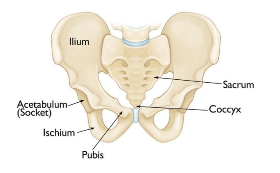
Credit: www.renoortho.com
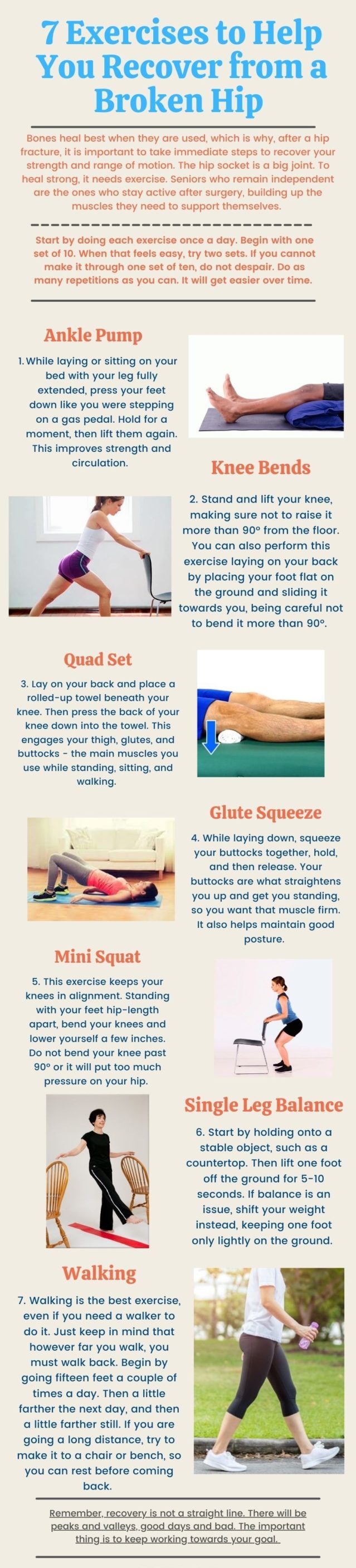
Credit: parentishealth.com
Frequently Asked Questions
Can You Break A Hip And Still Walk?
Yes, some people can walk with a broken hip, especially if it’s a hairline fracture. Pain severity and fracture location affect walking ability. Most hip fractures cause intense pain and prevent walking, needing urgent medical care. Always seek immediate help if a hip injury occurs.
How Do I Know If I Broke My Hip?
Severe hip or groin pain, inability to walk or bear weight, swelling, bruising, and a shorter or outward-turned leg indicate a broken hip. Seek immediate medical help for diagnosis and treatment.
What Can Be Mistaken For A Hip Fracture?
Hip fractures can be mistaken for hip strains, arthritis, bursitis, or muscle tears due to similar pain and limited movement.
What Happens If You Leave A Broken Hip Untreated?
Leaving a broken hip untreated causes severe pain, immobility, and increases risk of complications like blood clots and infections. It can lead to permanent disability or life-threatening conditions. Immediate medical treatment is crucial to prevent worsening and ensure proper healing.
Can You Walk With A Broken Hip?
Walking with a broken hip is usually very painful and difficult. Some may manage limited walking, depending on the fracture type. Most need medical help and should avoid walking to prevent further injury.
Walking on a broken hip is often painful and risky. Some fractures may allow slight movement, but pain usually limits walking. Ignoring symptoms can cause more damage and delay healing. Always seek medical help right away after a fall or injury.
Early diagnosis and treatment improve recovery chances. Protect your health by not walking on a suspected broken hip. Rest, proper care, and professional advice are essential for healing. Stay safe and listen to your body’s signals.

Tariqul
Tariqul is a dedicated health and wellness blogger with a background in health sciences. With years of experience in patient education and health communication, he focuses on providing accurate, easy-to-understand information to help readers make informed decisions about their well-being. Passionate about bridging the gap between clinical knowledge and everyday life, Tariqu ensures his content is both practical and medically sound.