
A torn meniscus is a common knee injury. Many people ask, “Can I still walk with it?” The answer is yes, but it depends on how bad the tear is.
Table Of Contents
- 1 What is a Meniscus?
- 2 How Do You Tear a Meniscus?
- 3 Symptoms of a Torn Meniscus
- 4 Can You Walk With a Torn Meniscus?
- 5 Is It Safe to Walk With a Torn Meniscus?
- 6 How to Walk Safely With a Torn Meniscus
- 7 When Should You See a Doctor?
- 8 Treatment Options for a Torn Meniscus
- 9 Will You Walk Normally Again?
- 10 Preventing Meniscus Tears
- 11 Summary
- 12 Frequently Asked Questions
What is a Meniscus?
The meniscus is a piece of cartilage in your knee. It acts like a cushion between the bones. This cushion helps your knee move smoothly. It also protects the bones from rubbing together.
Each knee has two menisci. One on the inside and one on the outside of the knee. When you twist or turn your knee suddenly, the meniscus can tear.
How Do You Tear a Meniscus?
Meniscus tears often happen during sports. Twisting your knee while your foot stays still can cause a tear. Sometimes, it happens from old age. The cartilage becomes weak and can tear easily.
People who do activities like running, jumping, or quick turns are more at risk. But even simple movements can cause a tear in older adults.
Symptoms of a Torn Meniscus
How do you know if your meniscus is torn? Here are some common signs:
- Knee pain, especially when twisting or rotating
- Swelling in the knee
- Stiffness or difficulty bending the knee
- A feeling that the knee is locking or catching
- Weakness or instability in the knee
Can You Walk With a Torn Meniscus?
Yes, many people can still walk with a torn meniscus. But it depends on the tear’s size and location.
Some tears cause only mild pain. You might feel discomfort but still walk almost normally. Other tears cause more pain and swelling. Walking can be hard or painful.
If the tear is small, you may walk without much problem. But if the tear catches inside your knee, you might feel it lock. That can stop you from walking properly.
Walking with a torn meniscus is possible, but it might not feel good. You may limp or avoid putting weight on the injured knee.
Is It Safe to Walk With a Torn Meniscus?
Walking on a torn meniscus can sometimes make the injury worse. The knee might get more swollen or painful.
Doctors usually say to avoid heavy activities at first. Rest and ice can help reduce pain and swelling.
Walking gently and using support, like a cane, can be okay. But avoid running, jumping, or twisting your knee.
How to Walk Safely With a Torn Meniscus
If you need to walk with a torn meniscus, follow these tips:
- Use a Knee Brace: It gives support and stability.
- Walk Slowly: Avoid fast or sudden movements.
- Use a Cane or Crutches: To reduce weight on your knee.
- Wear Comfortable Shoes: Shoes with good support help your knee.
- Listen to Your Body: Stop if you feel sharp pain.
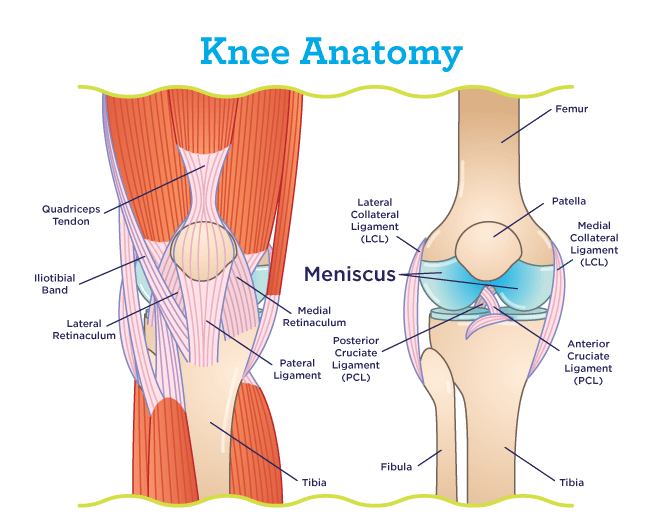
Credit: orthonebraska.com

Credit: orthop.washington.edu
When Should You See a Doctor?
If your knee is very painful or swollen, see a doctor. Also, if your knee locks or feels unstable, get help.
Doctors can do tests like an MRI to check the tear. They will tell you the best treatment.
Treatment Options for a Torn Meniscus
Treatment depends on the tear’s size and your pain level. Here are common options:
| Treatment | Description | When Used |
|---|---|---|
| Rest and Ice | Stop activity and apply ice to reduce swelling. | For minor tears and early stages. |
| Physical Therapy | Exercises to strengthen muscles around the knee. | To improve knee function and reduce pain. |
| Medication | Pain relievers and anti-inflammatories. | To control pain and swelling. |
| Surgery | Removing or repairing the torn meniscus. | For large tears or when other treatments fail. |
Will You Walk Normally Again?
Most people recover well from a torn meniscus. With proper care, walking improves over time.
Physical therapy helps regain strength and motion. Surgery may be needed for serious tears. After surgery, walking is often possible within weeks.
Recovery time varies. Some heal in a few weeks. Others may need months to fully recover.
Preventing Meniscus Tears
You can lower the risk of meniscus tears. Follow these tips:
- Warm up before exercise or sports
- Strengthen leg muscles with regular exercises
- Use proper techniques in sports and activities
- Wear good shoes with support
- Avoid sudden twisting or turning motions
Summary
Can you walk with a torn meniscus? Usually, yes. But it depends on the tear’s size and pain.
Small tears may allow walking with mild discomfort. Large or complex tears might make walking hard or painful. Walking carefully and using support can help.
Always listen to your body. If pain or swelling gets worse, see a doctor. Treatment varies from rest to surgery.
With care, most people walk normally again after a torn meniscus. Taking steps to protect your knee can prevent future injuries.
Frequently Asked Questions
Can You Walk With A Torn Meniscus Without Pain?
Walking might be possible with a torn meniscus, but pain often occurs. It depends on the tear’s size and location. Mild tears may cause little discomfort.
How Does A Torn Meniscus Affect Walking Ability?
A torn meniscus can cause swelling, stiffness, and pain while walking. It may also cause the knee to lock or feel unstable. These symptoms limit normal movement.
When Should You Avoid Walking With A Torn Meniscus?
Avoid walking if you feel sharp pain, swelling, or your knee locks. These signs mean the injury needs rest or medical care. Walking might worsen the damage.
Can Walking Help Heal A Torn Meniscus?
Gentle walking can improve blood flow and aid healing for small tears. Avoid long walks or hard surfaces to prevent more injury. Rest and proper care are crucial.
How To Walk Safely With A Torn Meniscus?
Use a knee brace or support to stabilize the knee while walking. Walk slowly on flat, even surfaces to reduce stress. Stop if pain or swelling increases.

Tariqul
Tariqul is a dedicated health and wellness blogger with a background in health sciences. With years of experience in patient education and health communication, he focuses on providing accurate, easy-to-understand information to help readers make informed decisions about their well-being. Passionate about bridging the gap between clinical knowledge and everyday life, Tariqu ensures his content is both practical and medically sound.