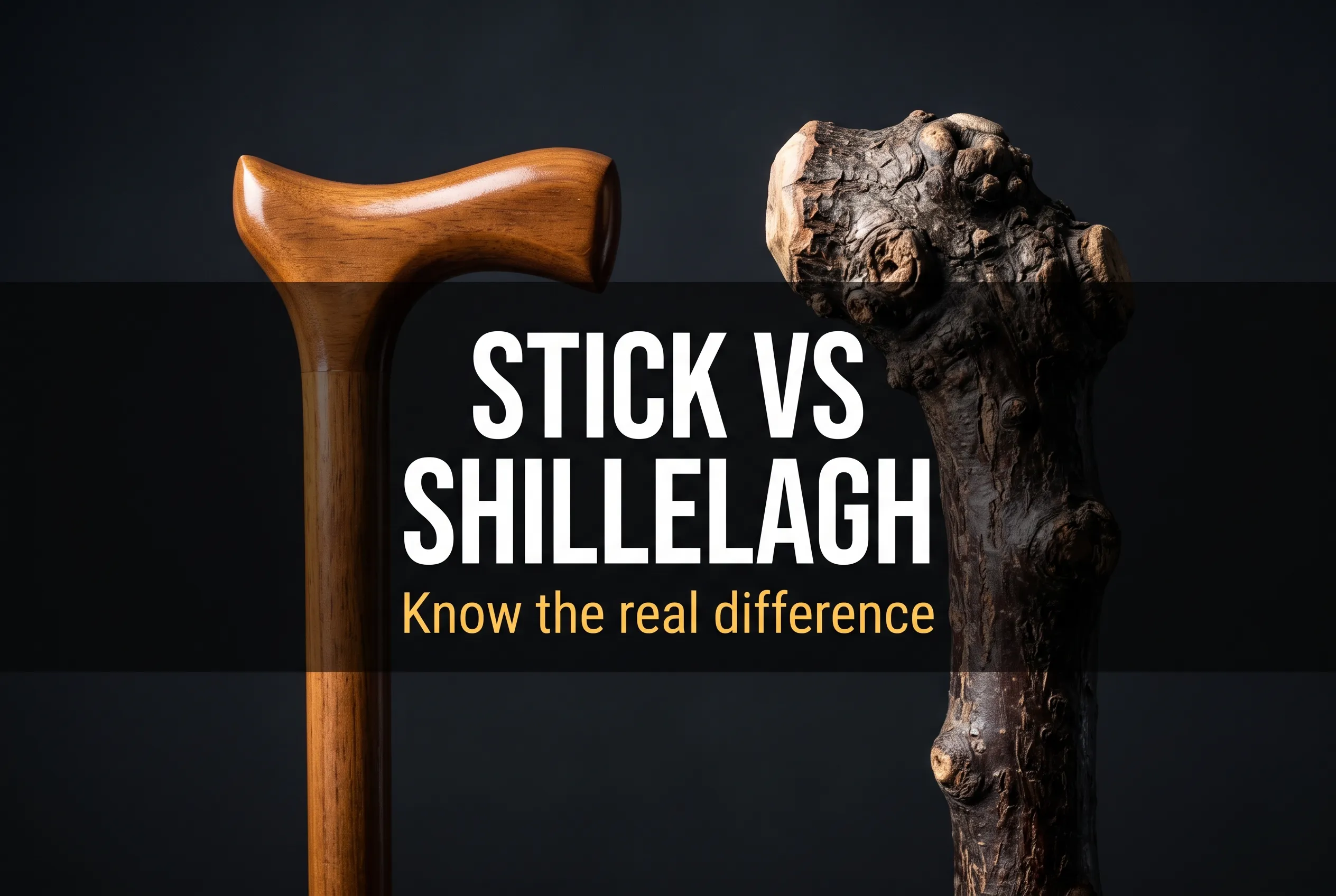
Have you ever wondered what sets a walking stick apart from a shillelagh? At first glance, they might look similar—both are wooden sticks you can hold while walking.
But there’s more to these two than meets the eye. Understanding the difference can change how you choose and use them, whether for support, style, or tradition. Keep reading, and you’ll discover the unique features and history behind each one, helping you pick the perfect stick for your needs.

Credit: www.amazon.com
Basic Definitions
Understanding the basic definitions helps tell a walking stick apart from a shillelagh. Both are types of sticks but serve different purposes and have unique features. Knowing these basics clears up confusion and highlights their cultural meanings.
What Is A Walking Stick?
A walking stick is a simple tool. People use it to help with balance and support while walking. It can be made from many types of wood or even metal. Walking sticks come in many shapes and sizes. Some have a straight shape, while others have a curved handle for a better grip.
What Is A Shillelagh?
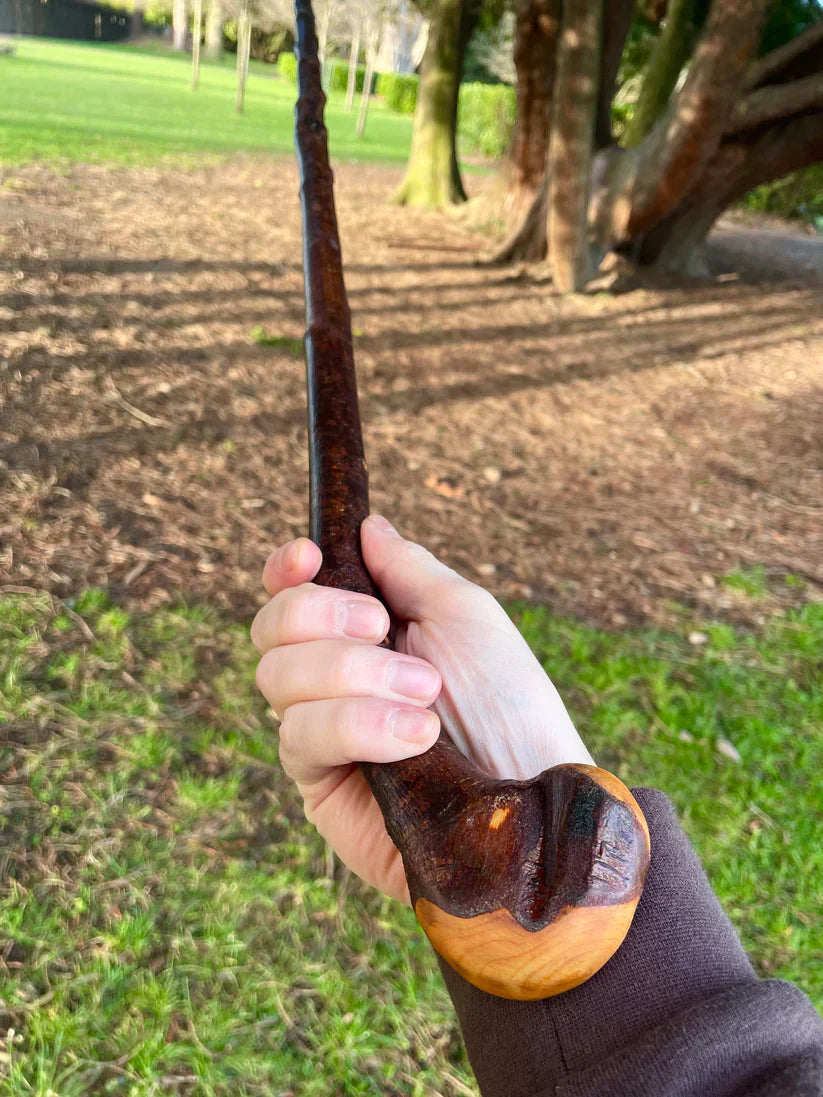
A shillelagh is a type of walking stick from Ireland. It is made mostly from blackthorn or oak wood. Shillelaghs have a thick, heavy end used for defense or as a weapon. They often have a knobbed handle, making them easy to hold and swing. They carry strong cultural and historical meaning in Irish tradition.
Credit: myirishwalkingstick.com
Materials Used
Materials play a key role in defining walking sticks and shillelaghs. These two items may look alike but use different woods and finishes. The choice of material affects their strength, weight, and purpose. Knowing the materials helps understand their unique qualities.
Materials Used In Walking Sticks
Walking sticks use a variety of woods. Common choices include oak, maple, and hickory. These woods are strong but light. Some walking sticks use bamboo for a lighter feel. The wood is often smooth and polished. This makes walking sticks comfortable to hold.
Materials Used In Shillelaghs
Shillelaghs are traditionally made from blackthorn wood. Blackthorn is dense and very hard. It has a dark, rough bark that adds character. Oak is sometimes used for shillelaghs too. The wood is often left with some bark. This gives shillelaghs a rustic, natural look.
Differences In Finishing
Walking sticks usually have a smooth finish. They are sanded and polished for comfort. Some have varnish or lacquer to protect the wood. Shillelaghs often have a wax finish. This keeps the wood strong but keeps its natural feel. The finishing highlights the wood’s natural beauty.
Design And Features
The design and features of walking sticks and shillelaghs show clear differences. Each has a unique style and purpose. Understanding these helps choose the right one for your needs.
Both tools provide support, but their look and build tell different stories. Materials, shape, and size vary significantly between them.
Walking Stick Design
Walking sticks are usually straight and slim. They often have a smooth finish for easy grip. The top may be curved or shaped for comfort. Some come with rubber tips to prevent slipping. The wood or metal used keeps it light and strong.
Shillelagh Features
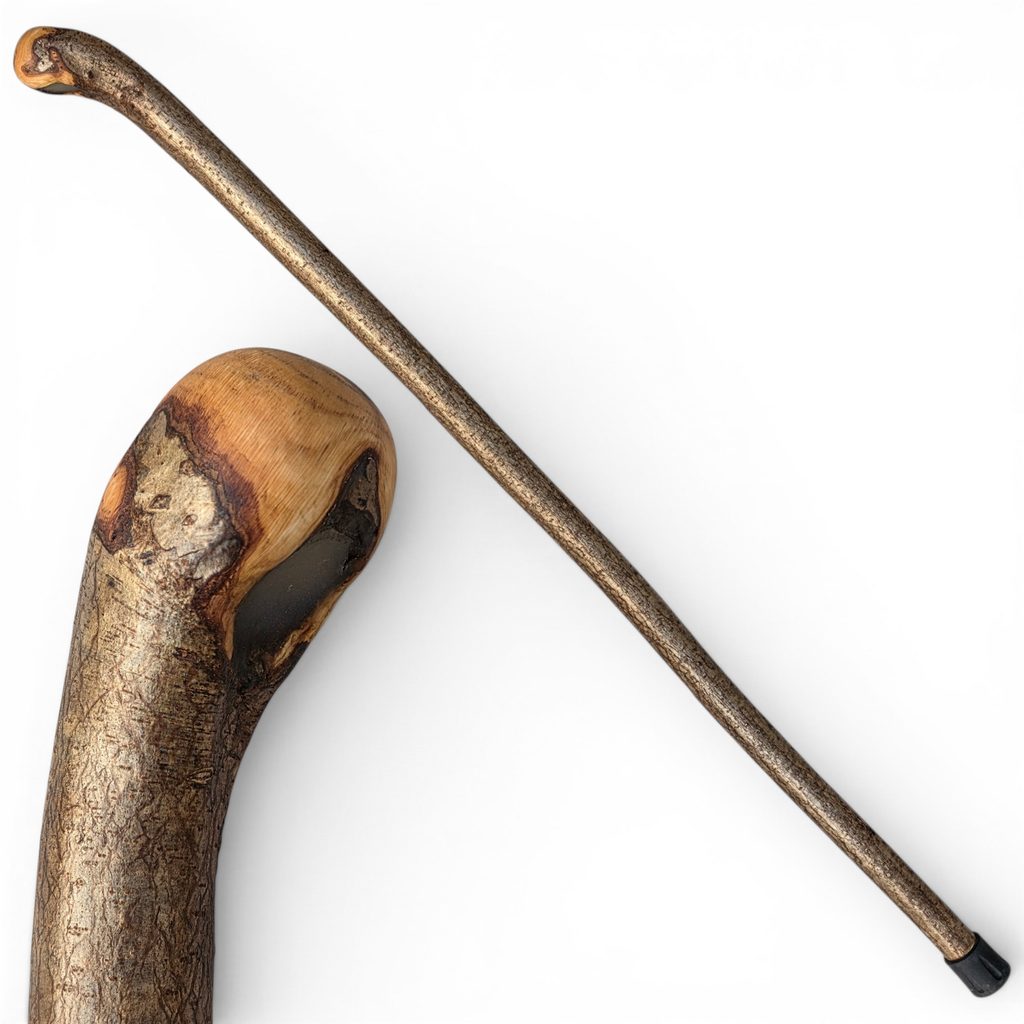
Shillelaghs are thicker and heavier than walking sticks. They often have a large knob at the top for grip and striking. The wood is usually blackthorn or oak, giving a dark, rough look. The surface may have natural bumps or carvings. These sticks are made for both walking and self-defense.
Material Differences
Walking sticks use a variety of woods like maple or hickory. Some also use metals or carbon fiber. Shillelaghs stick to traditional woods like blackthorn. This wood is dense and strong. It also adds to the stick’s unique appearance.
Cultural Significance
Walking sticks are mainly used for support while walking. Shillelaghs carry strong cultural meaning in Irish traditions and often serve as a symbol of heritage. Both differ in purpose and cultural importance.
The walking stick and the shillelagh both carry deep cultural meanings. They are more than simple tools for walking or self-defense. Each has a unique story that reflects the traditions of the people who use them.
Understanding these stories helps us appreciate their value beyond their physical form. They connect us to history, identity, and social customs.
Walking Stick: A Symbol Of Support And Status
The walking stick often represents support and strength. Many cultures use it as a sign of authority or wisdom. In some places, a finely carved walking stick shows a person’s rank or role.
It can also be a personal item passed down through families. This adds sentimental value to its practical use.
Shillelagh: A Weapon And A Cultural Emblem
The shillelagh is closely tied to Irish culture. It is known as both a weapon and a symbol of heritage. Traditionally made from blackthorn wood, it carries stories of bravery and protection.
People often use the shillelagh in dances and ceremonies. It stands for Irish pride and resilience across generations.
Both walking sticks and shillelaghs connect people to their roots. They remind communities of their history and values. Holding one can feel like holding a piece of the past.
This connection strengthens cultural identity and encourages respect for tradition. The objects become symbols of belonging and pride.
Practical Uses
Walking sticks and shillelaghs serve different practical purposes despite their similar appearance. Each has unique features that suit various needs. Understanding these uses helps choose the right tool for walking or protection.
Walking Stick For Support And Balance
A walking stick mainly helps with balance and support while walking. It reduces pressure on legs and knees. People use it on rough paths or during long walks. It offers stability on slippery or uneven ground. Walking sticks often have a simple design focused on comfort.
Shillelagh As A Self-defense Tool
A shillelagh is traditionally a wooden club used for protection. It is heavier and stronger than a walking stick. People carry it for self-defense or as a symbol of strength. Its solid construction makes it effective for blocking or striking. Shillelaghs often have a knob at the top for a better grip.
Walking Stick For Hiking And Outdoor Use
Hikers use walking sticks to improve endurance on trails. They help reduce fatigue by supporting body weight. Walking sticks also assist in climbing steep hills. They can clear spider webs or small branches in the path. Many sticks come with adjustable heights and shock absorption.
Shillelagh In Cultural And Ceremonial Roles
Shillelaghs hold cultural importance in Ireland and Irish communities. They appear in traditional dances and ceremonies. People use them as a sign of heritage and pride. The shillelagh’s design often reflects craftsmanship and history. They are less common for everyday walking or hiking.
Credit: www.wulflund.com
Historical Background
Walking sticks and shillelaghs both have long histories. Each has a unique story tied to different cultures and uses.
Understanding their past helps us see why they are different today.
Origins Of The Walking Stick
Walking sticks date back thousands of years. Ancient people used them for support and balance.
They were simple wooden sticks at first. Over time, they became tools and symbols of status.
In many cultures, walking sticks showed power or rank.
Roots Of The Shillelagh
The shillelagh comes from Ireland. It started as a wooden club for self-defense.
Made from blackthorn or oak, it had a heavy, solid feel.
People used shillelaghs in fights and as walking aids.
Cultural Significance Through Time
Walking sticks became fashion accessories in Europe. They often had ornate designs.
The shillelagh stayed linked to Irish heritage. It symbolized strength and tradition.
Both objects gained meaning beyond their basic uses.
Collecting And Value
Collecting walking sticks and shillelaghs has grown in popularity. Both items hold unique cultural and historical value. Collectors appreciate their craftsmanship and stories behind each piece. Understanding their differences helps in identifying true worth. Value depends on age, material, and maker’s skill.
Walking sticks often show elegant design and practical use. Shillelaghs carry a distinct Irish heritage and traditional style. Each piece tells a different story for collectors. Some prefer the polished look of walking sticks. Others seek the rugged charm of shillelaghs.
Material And Craftsmanship
Quality wood raises the value of both sticks and shillelaghs. Walking sticks often use hardwoods like oak or maple. Shillelaghs are usually made from blackthorn or oak. Hand-carved details increase their appeal. Smooth finishes attract those who value style. Rough textures appeal to history lovers.
Historical And Cultural Significance
Shillelaghs have deep ties to Irish culture. Their use as weapons and walking aids adds to their story. Walking sticks reflect broader European styles and eras. Older pieces often come from specific regions or makers. Provenance can boost a collector’s interest.
Rarity And Age
Older walking sticks with unique designs become rare finds. Antique shillelaghs, especially those with markings, gain higher value. Limited production or custom-made pieces attract collectors. The better the condition, the higher the price. Patina and wear can add authentic charm.
Market Demand
Demand varies by region and collector taste. Walking sticks have steady interest worldwide. Shillelaghs appeal mostly to those interested in Irish culture. Auction results can reflect rising or falling values. Collectors watch trends to make smart purchases.
Frequently Asked Questions
What Defines A Walking Stick?
A walking stick is a sturdy, lightweight cane used primarily for support during walking. It is often made of wood or metal, designed for balance and comfort. Walking sticks can be plain or decorative but focus mainly on aiding mobility.
How Is A Shillelagh Different From A Walking Stick?
A shillelagh is a traditional Irish wooden club, usually made from blackthorn or oak. Unlike a walking stick, it serves as a weapon and a walking aid. Its distinctive knob handle and dense wood make it unique and historically significant.
Can A Walking Stick Be Used As A Weapon Like A Shillelagh?
Generally, walking sticks are not designed as weapons. However, some can be used for self-defense. Shillelaghs are specifically crafted for combat and protection, making them more effective in a fight than typical walking sticks.
What Materials Are Used For Shillelaghs And Walking Sticks?
Walking sticks are commonly made from lightweight woods, metal, or carbon fiber for easy handling. Shillelaghs are traditionally carved from blackthorn or oak wood, valued for their hardness and durability, which support both walking and defensive use.
Conclusion
Walking sticks and shillelaghs may look alike but serve different purposes. A walking stick helps with balance and support during walks. A shillelagh is a traditional Irish stick, often used as a weapon or symbol. Both have unique shapes and materials.
Knowing their differences helps you choose the right one. Whether for walking or tradition, each stick has its own story. Now you can tell them apart easily. Simple but important!

Tariqul
Tariqul is a dedicated health and wellness blogger with a background in health sciences. With years of experience in patient education and health communication, he focuses on providing accurate, easy-to-understand information to help readers make informed decisions about their well-being. Passionate about bridging the gap between clinical knowledge and everyday life, Tariqu ensures his content is both practical and medically sound.