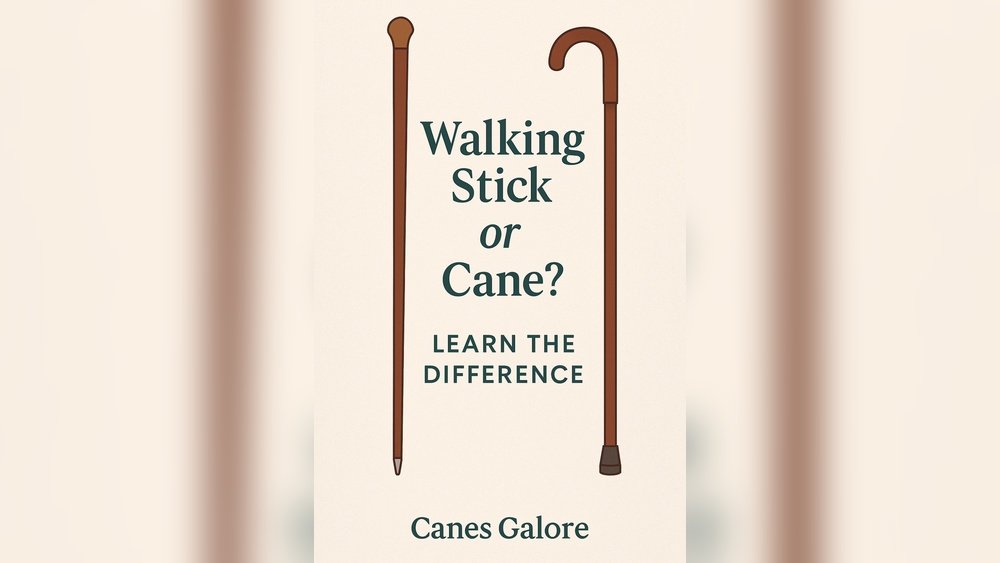
Are you wondering if a walking stick can replace a cane for your daily support? Choosing the right aid is important for your safety and comfort.
You might think they’re the same, but there are key differences that could affect how well you move and feel. Keep reading to find out which option fits your needs best and how to make the right choice for your lifestyle.
Credit: dynamome.com
Differences Between Walking Sticks And Canes
Walking sticks and canes both help with balance and walking. They look similar but serve different purposes. Knowing the differences can help choose the right one for your needs. Here is a clear look at how they differ.
Design And Structure
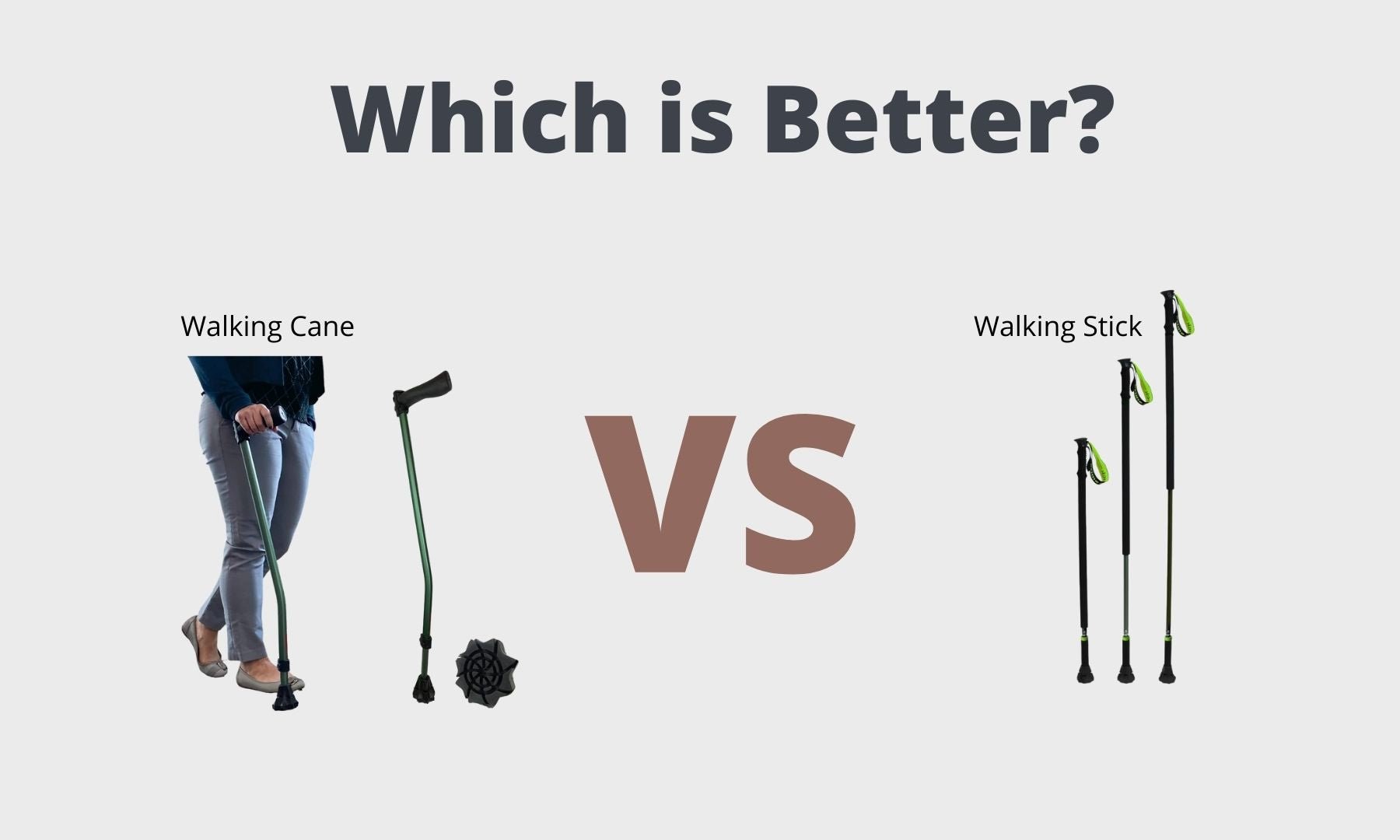
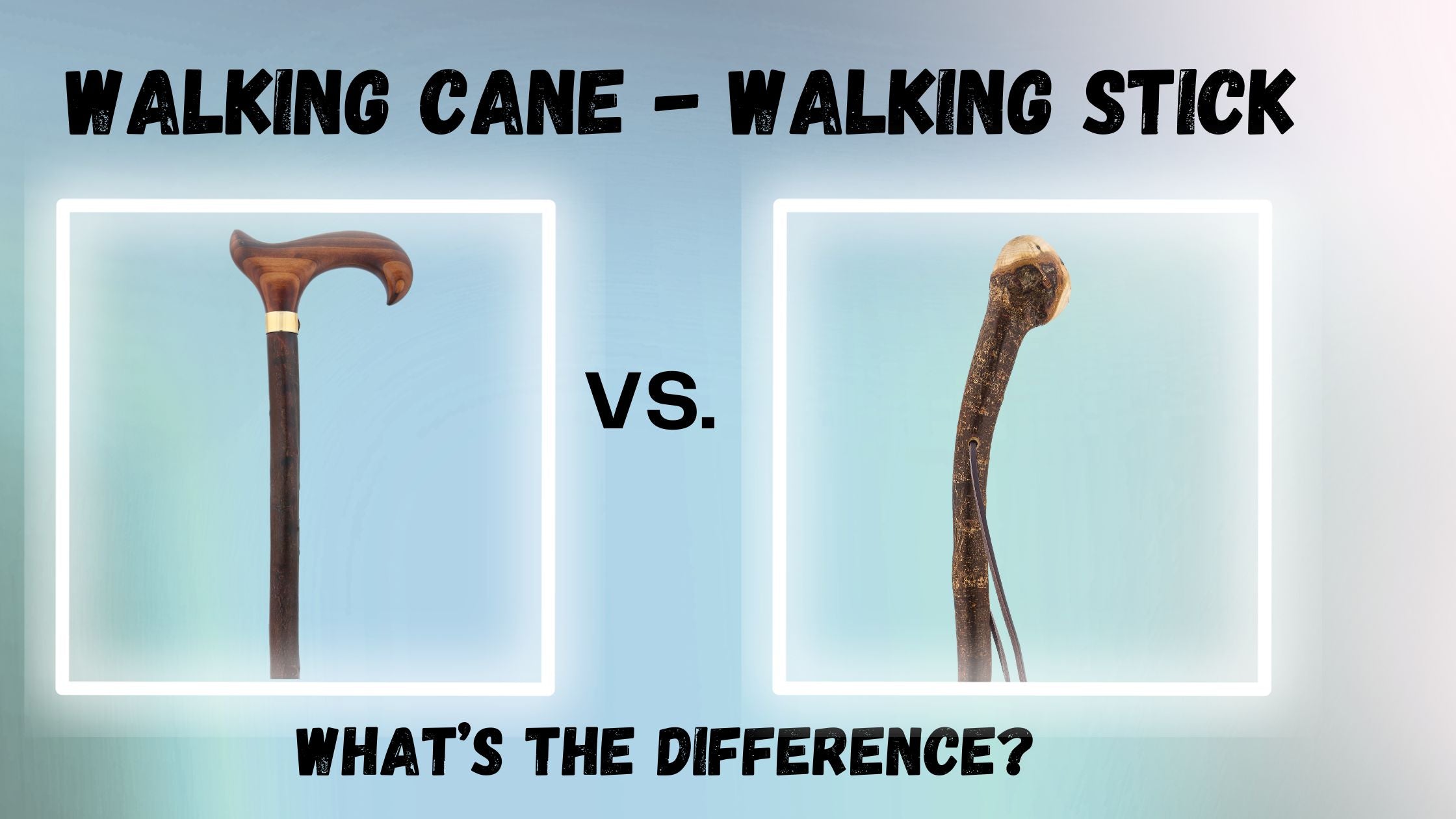
Walking sticks are usually longer and straight. They often have a simple handle or no special grip. Canes are shorter and have a curved or ergonomic handle. This design helps hold them comfortably for longer times.
Intended Uses
Walking sticks are mostly for hiking and outdoor walking. They help with rough or uneven ground. Canes are made for daily support and help people with weak legs. They assist in walking smoothly on flat surfaces.
Support And Stability
Canes provide stronger support and better balance. They are made to carry body weight safely. Walking sticks offer some support but less than canes. They are mainly for extra balance, not full weight support.

Credit: www.gentlemansgazette.com
Situations Suitable For Walking Sticks
Walking sticks serve many purposes beyond simple support. They fit well in several daily and outdoor activities. Knowing when to use a walking stick helps you stay safe and comfortable.
Walking sticks offer light support and can improve balance on uneven ground. They are not the same as canes but work well in certain situations. Here are some common uses for walking sticks.
Light Outdoor Activities
Walking sticks provide gentle support during short walks. They help reduce strain on your legs and back. You can use them in parks or quiet neighborhoods. They are easy to carry and adjust for comfort.
Hiking And Trail Support
Walking sticks are ideal for hiking and trail walks. They help keep balance on rocky or sloped paths. They reduce the risk of slipping on loose soil or wet leaves. Many hikers use them to save energy on long routes.
Temporary Balance Aid
Walking sticks offer short-term help after minor injuries. They assist with balance as you recover from sprains or strains. They are useful for people regaining strength or coordination. Walking sticks are easy to use and adjust for height.
When A Cane Is More Appropriate
A walking stick can help with balance on easy paths. But some situations need more support and safety. A cane offers better stability and strength in these cases. It helps reduce the risk of falls and supports body weight properly. Knowing when to choose a cane over a walking stick is important for safety and comfort.
Medical Conditions Requiring Stability
Some health issues make balance difficult. Conditions like arthritis, stroke, or Parkinson’s disease need steady support. A cane provides better control and steadiness. It helps avoid falls and reduces pain while walking. Walking sticks do not offer enough support for these conditions.
Weight Bearing Needs
A cane can carry more weight from your body. It helps take pressure off weak hips, knees, or ankles. This reduces pain and prevents further injury. Walking sticks are lighter and can’t support heavy weight. For serious injuries, a cane is safer and stronger.
Custom Fit And Adjustability
Canes often come with adjustable height settings. This helps fit your body perfectly. A good fit improves comfort and reduces strain on muscles. Walking sticks usually have one fixed size. A cane’s design allows better posture and easier walking.
Safety Considerations
Safety is key when choosing a walking stick instead of a cane. Both tools help with balance and support. But they work in different ways. Knowing the safety points can keep you steady and avoid falls. Simple habits and the right use make a big difference.
Risk Of Falls
Walking sticks may not offer the same support as canes. Canes have a wider base for better balance. Walking sticks often have a narrow tip. This can slip on smooth or uneven floors. Using a walking stick without practice raises the chance of falls. Choose the right tool to stay safe.
Proper Use Techniques
Hold a walking stick firmly but relaxed. Keep your arm slightly bent. Step with the stick on the opposite side of the weak leg. This helps balance your weight. Avoid leaning too much on the stick. Regularly check the stick’s tip for wear. Replace it if it looks worn out.
Surface Compatibility
Walking sticks work best on flat, dry surfaces. They can slip on wet or icy ground. Canes often have rubber tips that grip better. Some walking sticks come with special tips for rough terrain. Use the right tip for the surface. This reduces slipping and improves stability.
Choosing The Right Support Tool
Choosing the right support tool is important for safe walking. Different tools suit different needs. A walking stick and a cane might look similar but serve different purposes. Picking the correct one can improve balance and reduce pain. It helps prevent falls and increases confidence while walking.
Consulting Healthcare Professionals
Doctors or physical therapists can guide the choice of support tools. They check your health and walking ability. Their advice helps find the best tool for your condition. Professionals also teach how to use the device safely. This reduces the risk of injury and ensures comfort.
Personal Mobility Assessment
This assessment measures your strength and balance. It shows how much support you need. The results help decide between a walking stick or a cane. Your daily activities and walking environment matter too. The right tool matches your lifestyle and mobility level.
Trial And Adjustment
Trying different tools helps find the best fit. Walking with a cane or stick feels different. Small changes can make a big difference in comfort. Adjust the height and grip before buying. Test the tool on various surfaces for stability.
Credit: fashionablecanes.com
Frequently Asked Questions
Can A Walking Stick Replace A Cane For Mobility Support?
A walking stick can offer basic support but lacks the stability of a cane. Canes are designed for medical use, providing better balance and weight distribution, ideal for injury or disability.
Is A Walking Stick Suitable For Arthritis Patients?
Walking sticks may help mild arthritis cases but often lack the ergonomic design of canes. Canes reduce joint stress and improve walking comfort more effectively for arthritis sufferers.
What Are The Key Differences Between Canes And Walking Sticks?
Canes have ergonomic handles and adjustable heights for medical support. Walking sticks are simpler, often used for hiking or light balance aid, lacking medical-grade features.
Are Walking Sticks Safer Than Canes For Elderly Users?
Canes generally offer better safety due to their design and stability. Walking sticks might not provide enough support for elderly individuals with balance or strength issues.
Conclusion
Choosing between a walking stick and a cane depends on your needs. A walking stick offers light support and helps with balance. A cane provides stronger support and stability for walking. Think about your strength and how much help you require.
Test both to see which feels better for you. Always talk to a doctor or therapist for advice. The right choice can make walking easier and safer every day. Trust your body and pick what suits you best.

Tariqul
Tariqul is a dedicated health and wellness blogger with a background in health sciences. With years of experience in patient education and health communication, he focuses on providing accurate, easy-to-understand information to help readers make informed decisions about their well-being. Passionate about bridging the gap between clinical knowledge and everyday life, Tariqu ensures his content is both practical and medically sound.