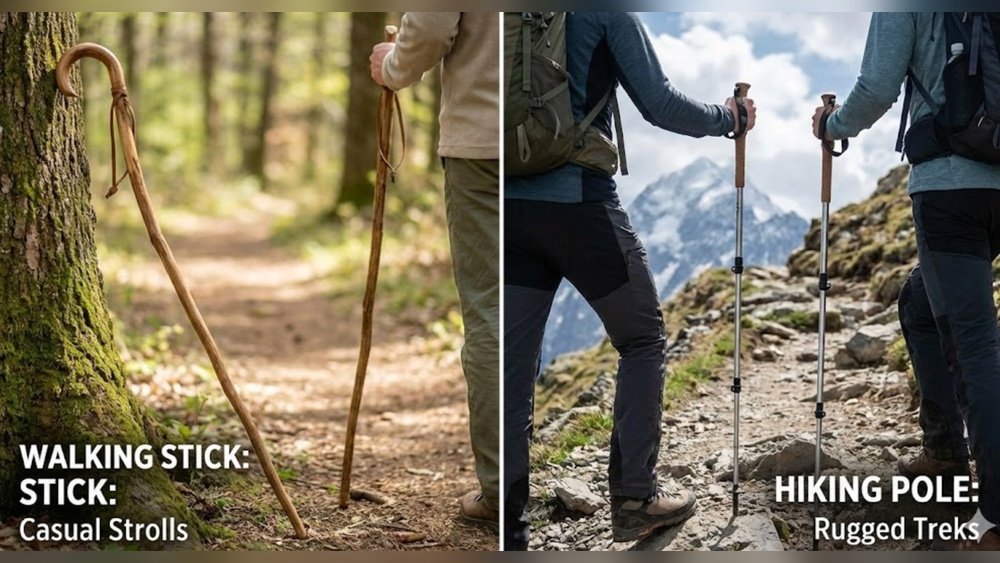
Are you confused about whether to choose a walking stick or a trekking pole for your next outdoor adventure? You’re not alone.
Both tools help you stay steady on your feet, but they serve different purposes and offer unique benefits. Understanding the difference can make your hikes safer and more enjoyable. Keep reading to discover which one suits your needs best—and how the right choice can transform your walking experience.

Credit: www.gossamergear.com
Purpose And Use
The purpose and use of walking sticks and trekking poles differ significantly. Each serves a unique role in support and movement. Choosing the right tool depends on the activity and terrain. Knowing their main functions helps in picking the best option.
Everyday Support Vs Hiking Aid
Walking sticks offer steady support for daily use. People use them to help with balance and reduce stress on joints. They work well on flat surfaces like sidewalks and indoor floors.
Trekking poles are designed to aid during hikes. They provide extra stability on uneven ground. These poles also help to distribute weight and reduce fatigue on long walks.
Terrain And Activity Types
Walking sticks suit urban areas and gentle trails. They handle smooth and predictable surfaces best. Users rely on them for light support and walking comfort.
Trekking poles perform well on rough and steep terrain. They adjust to different heights and have shock absorbers. These features protect knees and improve grip on rocks or mud.
Design And Features
Walking sticks and trekking poles differ in design and features. These differences affect comfort and performance. Understanding these details helps you choose the right support tool for your outdoor walks or hikes.
Both tools have unique parts and materials. Their grips, lengths, and shock systems vary. Let’s explore these features in detail.
Materials And Build
Walking sticks often use wood or simple metal. They are sturdy but less lightweight. Trekking poles usually use aluminum or carbon fiber. These materials keep poles strong yet light. Poles have multiple sections that fold or collapse. Walking sticks are usually one solid piece. This affects how easy they are to carry and store.
Adjustability And Length
Walking sticks have a fixed length or minimal adjustability. Trekking poles offer adjustable lengths. You can change pole length to fit different terrains. Shorten them for uphill climbs, lengthen for downhill steps. This flexibility makes trekking poles more versatile. Walking sticks are often less flexible in height options.
Grip And Handle Styles
Walking sticks usually have simple wooden or rubber handles. They focus on a natural feel and basic comfort. Trekking poles offer ergonomic grips made of foam, cork, or rubber. These grips reduce hand sweat and improve comfort. Some poles have angled handles for better wrist position. This helps reduce strain on long hikes.
Shock Absorption And Suspension
Walking sticks rarely include shock absorption features. They provide solid support but little impact reduction. Trekking poles often have built-in shock absorbers or springs. These absorb impact on joints during walking. This feature helps reduce knee and wrist strain. Shock systems make trekking poles better for rough or long trails.
Weight And Portability
Weight and portability play a big role in choosing between walking sticks and trekking poles. Both tools help with balance and support. But they differ in how light and easy to carry they are. Knowing these differences helps you pick the right gear for your trip.
Compactness
Walking sticks are usually long and solid. They do not fold or shrink. This makes them less compact to carry. You must hold them or strap them outside your bag. Trekking poles are designed to be smaller. They fold or collapse to a short size. This makes them easy to pack inside backpacks. Compactness is useful for long hikes or travel.
Folding And Collapsing Options
Walking sticks rarely have folding parts. Most are one solid piece of wood or metal. This can make them heavy and hard to store. Trekking poles come with folding or telescoping parts. You can fold them into three or more sections. Some poles collapse by sliding inside each other. These features save space and weight. They make trekking poles more portable than walking sticks.

Credit: www.amazon.com
Durability And Strength
Durability and strength are key factors when choosing walking sticks or trekking poles. These tools must support your weight and handle rough terrain. Strong materials ensure they last longer and keep you safe during walks or hikes.
Load Capacity
Walking sticks usually have a lower load capacity. They support light walking and casual use. Trekking poles are built to hold more weight. They can carry the pressure from steep climbs and heavy backpacks. This makes trekking poles better for tough trails.
Weather Resistance
Walking sticks may not resist all weather types well. They can wear out faster in rain or snow. Trekking poles are made to resist water and cold. Many have coatings to stop rust and damage. This helps trekking poles last longer in harsh conditions.
Additional Functionalities
Walking sticks and trekking poles serve similar purposes but differ in extra features. These additional functionalities improve user experience during hikes and walks. Understanding these features helps you choose the right tool for your adventure.
Accessories And Attachments
Trekking poles often come with many accessories. You can add baskets to keep poles from sinking in mud or snow. Rubber tips help on hard surfaces like rocks or pavement. Some poles have built-in shock absorbers for smoother walking. Walking sticks usually have fewer attachments. They tend to be simpler and less adjustable.
Safety Features
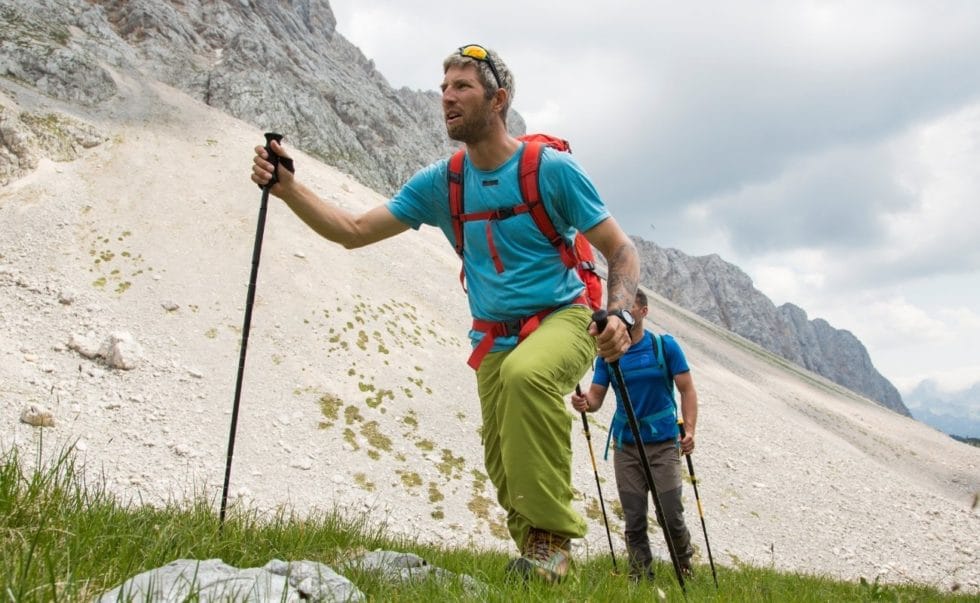
Trekking poles include safety features for rough terrain. Some have wrist straps to prevent dropping. Reflective materials improve visibility in low light. Walking sticks focus more on balance than safety tech. They rarely have reflective parts or straps. The safety gear in trekking poles suits serious hikers. Walking sticks fit casual walks and light trails better.
Credit: www.trekking-mont-blanc.com
Cost And Value
Cost and value play a big role when choosing walking sticks or trekking poles. Both tools help with balance and support. But their price and what you get for it can vary a lot. Understanding these differences helps you pick the best option for your budget and needs.
Price Range Comparison
Walking sticks usually cost less than trekking poles. Basic walking sticks can start around $20. They offer simple support and often have a fixed length. Trekking poles are more advanced. Prices often start near $50 and can go over $150. They have features like adjustable length and shock absorbers. The higher price reflects these extras and better materials.
Long-term Investment
Trekking poles often last longer due to strong materials. They can handle rough terrain and heavy use. Walking sticks may wear out faster, especially cheaper models. Spending more on trekking poles can save money over time. You get durability and comfort that reduces fatigue on long hikes. Think of trekking poles as an investment in your safety and enjoyment outdoors.
Choosing The Right Option
Choosing between walking sticks and trekking poles depends on your needs. Both tools help with balance and support. Yet, each serves different purposes. Picking the right one makes your outdoor experience better. Consider how often and how hard you will use them. Think about your personal comfort and style. This helps you find the best fit for your adventures.
User Needs And Preferences
Walking sticks suit casual walkers and those who want simple support. They often have a classic look and feel. Trekking poles work well for hikers who need more stability. They usually come with adjustable lengths and shock absorbers. Some people prefer lightweight poles for long trips. Others want sturdier sticks for rough paths. Your choice depends on how much help you want on trails.
Activity Frequency And Intensity
Walking sticks are fine for short, easy walks. They offer enough support for gentle paths. Trekking poles are better for frequent or intense hiking. They reduce strain on knees and legs over long distances. People who hike steep or rocky trails benefit from poles. They give extra grip and balance on uneven ground. Match your tool to how often and how hard you hike.
Frequently Asked Questions
What Are The Main Uses Of Walking Sticks Versus Trekking Poles?
Walking sticks are mainly for balance during casual walks. Trekking poles provide extra support on rough, steep terrains and long hikes. They reduce joint strain and improve stability in challenging conditions.
How Do Walking Sticks Differ In Design From Trekking Poles?
Walking sticks are usually single, sturdy sticks with simple grips. Trekking poles are adjustable, lightweight, and often come with ergonomic handles and shock absorbers for comfort.
Can Trekking Poles Replace Walking Sticks For Daily Use?
Trekking poles can replace walking sticks but may be bulkier and more technical. Walking sticks are simpler and better for everyday walking and light support.
Are Trekking Poles Better For Reducing Joint Impact?
Yes, trekking poles absorb shock and reduce stress on knees and ankles. Walking sticks offer less impact reduction and are better for balance than joint protection.
Conclusion
Walking sticks offer simple support for casual walks. Trekking poles provide extra stability on rough trails. Both help reduce strain on your legs and joints. Choose based on your activity and comfort needs. Remember, using the right tool makes walking safer and easier.
Enjoy your outdoor adventures with confidence and balance.

Tariqul
Tariqul is a dedicated health and wellness blogger with a background in health sciences. With years of experience in patient education and health communication, he focuses on providing accurate, easy-to-understand information to help readers make informed decisions about their well-being. Passionate about bridging the gap between clinical knowledge and everyday life, Tariqu ensures his content is both practical and medically sound.