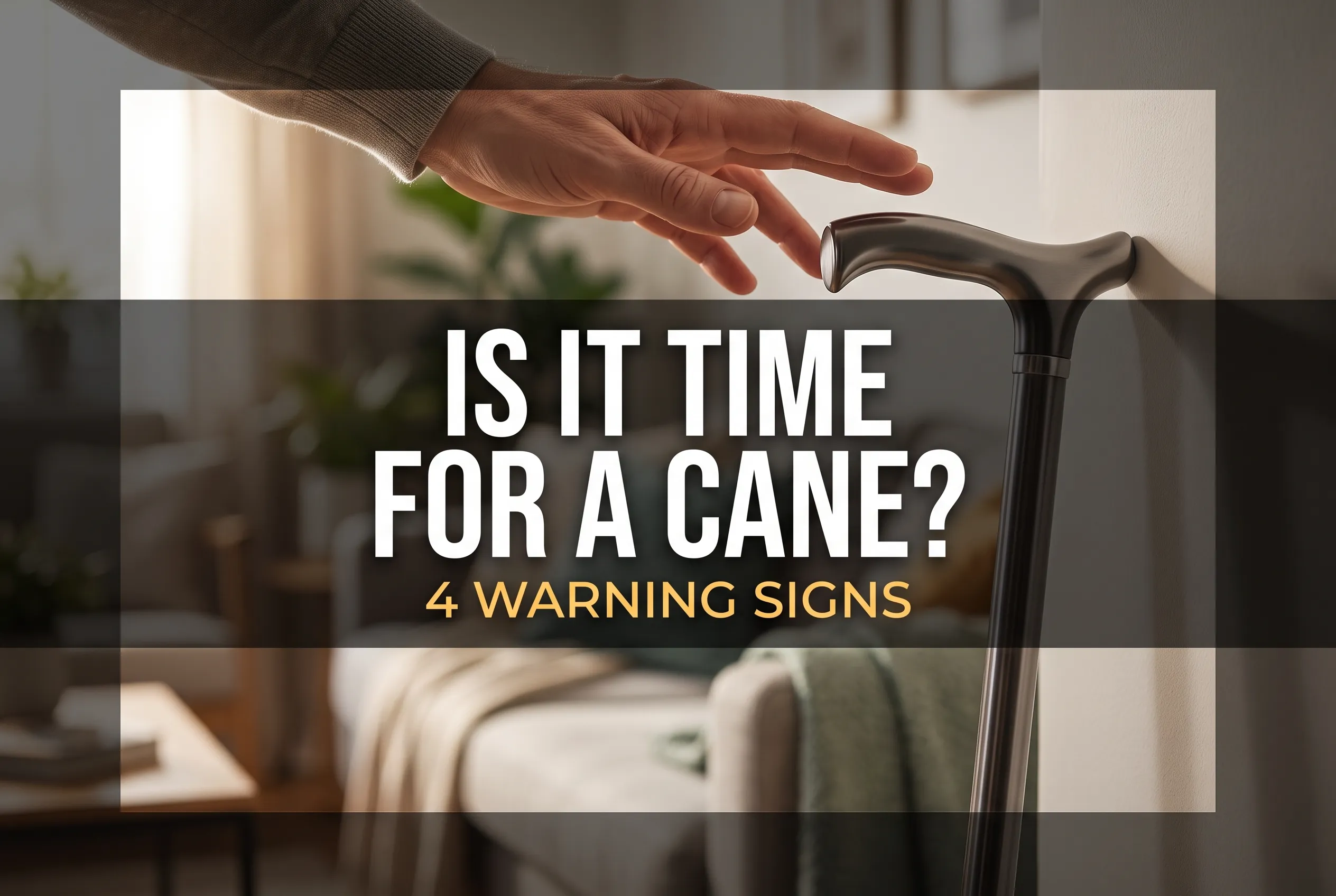
Have you ever felt unsteady on your feet or noticed yourself leaning on furniture to keep balance? You might be wondering, “Do I need a walking cane?” It’s not always easy to tell when it’s time to use one.
A cane can give you more confidence, support, and safety as you move around. But how do you know if it’s the right choice for you? Keep reading to discover the signs that suggest a walking cane could make your daily life easier and safer.
Your comfort and independence matter—let’s find out if a cane is the key to both.

Credit: www.youtube.com
Signs You Might Need A Cane
Knowing when to use a walking cane helps keep you safe and steady. A cane can provide support and reduce strain on your legs. It also helps prevent accidents and boosts confidence while moving around.
Some signs show that a cane might be the right choice for you. Watch for changes in your walking and balance. These signs can help you decide if it’s time to try a cane.
Balance Issues
Struggling to keep your balance is a key sign. Feeling wobbly or unsteady while standing or walking can be risky. A cane offers extra support to keep you upright. It helps reduce the chance of falling.
Frequent Falls
Falling often is a serious warning. Each fall can cause injuries and fear of moving around. Using a cane helps steady your steps. It lowers the risk of another fall and builds walking confidence.
Pain While Walking
Experiencing pain in your legs, hips, or back during walking is common. Pain can make walking tiring and difficult. A cane can take pressure off sore areas. This support makes walking more comfortable and less painful.
Fatigue During Mobility
Feeling very tired after walking short distances signals a problem. Fatigue can limit your daily activities and freedom. A cane helps share the weight and ease the effort. This reduces tiredness and helps you stay active longer.

Credit: www.amazon.com
Types Of Walking Canes
Choosing the right walking cane helps improve balance and support. Different types of canes serve different needs and preferences. Understanding each type makes it easier to pick the best one for you.
Standard Canes
Standard canes have a simple, straight design. They are light and easy to carry. These canes work well for people with mild balance issues. Many come with different handle shapes for comfort.
Quad Canes
Quad canes have four small feet at the base. They provide extra stability and support. These canes help people who need more balance assistance. The wide base reduces the risk of falling.
Folding Canes
Folding canes fold into small sections for easy storage. They fit well in bags or car trunks. These are great for travel or small spaces. Folding canes offer convenience without losing support.
Ergonomic Canes
Ergonomic canes have specially designed handles. They reduce hand strain and provide a better grip. These canes suit people with arthritis or hand pain. The shape helps maintain comfort during use.
Choosing The Right Cane
Choosing the right cane is important for safety and comfort. A cane should support your weight and help you walk with ease. Many people pick a cane without thinking about fit or feel. This can lead to discomfort or even injury. The right cane feels natural and steady under your hand. It also matches your height and walking style.
Think about where you will use your cane the most. Different canes work better on different surfaces. Some handles are soft, while others are firm. Weight matters too, especially if you carry the cane for long periods. Choose a cane that fits your needs and lifestyle.
Height And Fit
The cane height must match your body. Stand straight with arms relaxed at your sides. The cane handle should reach the crease of your wrist. A cane too tall or too short causes poor posture. This can lead to pain in your back or shoulders. Adjust the cane height for walking comfort and balance.
Handle Comfort
Handle shapes vary from curved to straight or ergonomic. Pick a handle that feels good in your hand. A comfortable handle reduces pressure on your palm. It helps prevent hand fatigue and soreness. Test different handles to find what suits your grip best.
Weight And Material
Cane weight affects how easy it is to carry. Lightweight materials like aluminum are good for daily use. Wood offers a classic look but can be heavier. Some canes have rubber tips for better grip. Choose a material that balances strength and ease of use.
Terrain Considerations
Think about the surfaces where you walk most. Smooth floors need a different cane tip than rough or uneven ground. Some canes have wider tips for better stability outdoors. Others have narrow tips for indoor use. Match your cane to your common walking areas for safety.
Medical Conditions That Benefit
Certain medical conditions make walking hard or unsafe. Using a cane can help people move more easily and stay steady. It offers support and reduces pain for many health problems. Here are some common conditions that benefit from walking canes.
Arthritis
Arthritis causes joint pain and stiffness. It often affects knees, hips, and hands. A cane helps take weight off sore joints. It eases pressure and reduces pain while walking. Using a cane can improve mobility and comfort.
Neurological Disorders
Neurological disorders affect balance and muscle strength. Diseases like Parkinson’s or multiple sclerosis cause unsteady walking. A cane provides extra support and stability. It helps prevent falls and builds confidence. Walking becomes safer with this aid.
Injury Recovery
After injuries, legs or feet may feel weak or painful. A cane helps share weight during healing. It reduces strain on injured parts and speeds recovery. Using a cane allows safer movement and less discomfort.
Balance Disorders
Balance problems make standing and walking risky. Dizziness or inner ear issues cause falls. A cane offers a steady point of contact with the ground. It improves balance and prevents accidents. People feel more secure while moving.
How To Use A Cane Correctly
Using a walking cane the right way can improve balance and reduce pain. It helps you move safely and feel more stable. Learning the correct use of a cane is key to getting the most benefit from it.
Proper Positioning
Hold the cane on the side opposite your weak or injured leg. The cane tip should be about 6 inches to the side and 6 inches ahead of your foot. Your elbow should bend slightly, around 15 to 20 degrees. Adjust the cane height so your wrist is level with your hip.
Walking Techniques
Move the cane and your weak leg forward together. Step with your stronger leg next, past the cane. This pattern gives you better support. Walk slowly and keep your head up. Take small steps to maintain balance.
Safety Tips
Check the cane tip often for wear or damage. Replace it if it looks worn out. Use a cane with a non-slip tip to prevent falls. Avoid uneven or slippery surfaces when possible. Always wear comfortable shoes with good grip.
When To Seek Professional Help
Talk to a doctor or therapist if you feel pain while using the cane. Get advice if your balance worsens. A professional can adjust the cane size or teach better techniques. Seek help if you fall or feel unsteady often.
Consulting Healthcare Professionals
Talking to healthcare professionals helps decide if a walking cane is right. They check your balance, strength, and walking ability. Experts provide advice based on your health and daily needs.
Physical Therapy Advice
Physical therapists watch how you move. They spot problems with walking or balance. Therapists suggest canes to improve stability and reduce falls. They teach you how to use a cane safely.
Doctor’s Recommendations
Doctors examine your overall health and mobility. They may order tests to find underlying issues. Doctors prescribe a cane if it helps your condition. They explain benefits and risks clearly.
Occupational Therapy Support
Occupational therapists focus on daily activities and independence. They assess if a cane can make tasks easier. Therapists train you to use the cane in your home. Their goal is safer movement and more confidence.

Credit: www.coolcrutches.com
Frequently Asked Questions
How Do I Know If I Need A Walking Cane?
If you experience balance issues, frequent falls, or leg pain, a walking cane can help. It improves stability and reduces strain.
What Are Common Signs Indicating Cane Use?
Signs include difficulty walking, unsteadiness, muscle weakness, or recovering from surgery. A cane provides extra support for safer movement.
Can A Cane Improve My Walking Posture?
Yes, using a cane can promote better posture by encouraging upright walking. It reduces pressure on joints and prevents limping.
When Should I Consult A Doctor About A Walking Cane?
Consult your doctor if you feel unstable, suffer chronic pain, or have mobility challenges. They can recommend the right cane type.
Conclusion
Choosing a walking cane can improve balance and ease daily movement. Notice if standing or walking feels hard or painful. A cane offers support and helps prevent falls. Ask a doctor or therapist for advice if unsure. Using a cane does not mean weakness—it means smart care.
Stay safe and comfortable every step you take. Your health and freedom matter most.

Tariqul
Tariqul is a dedicated health and wellness blogger with a background in health sciences. With years of experience in patient education and health communication, he focuses on providing accurate, easy-to-understand information to help readers make informed decisions about their well-being. Passionate about bridging the gap between clinical knowledge and everyday life, Tariqu ensures his content is both practical and medically sound.