
Can you walk on a fractured femur? It’s a question that might cross your mind if you or someone you know experiences sudden thigh pain after a fall or accident.
The femur, or thigh bone, is the strongest and longest bone in your body, designed to support your weight and movement. But when it fractures, the pain and damage can vary widely. Sometimes, you might even be able to put some weight on the leg, making it confusing to understand how serious the injury really is.
You’ll discover why walking on a fractured femur is usually not possible or safe, the signs to watch for—even subtle ones—and why immediate medical attention is crucial. Keep reading to learn how to protect yourself or a loved one from further harm and what steps to take if you suspect a femur fracture.
Credit: my.clevelandclinic.org
Table Of Contents
- 1 Fractured Femur Types
- 2 Subtle Signs And Symptoms
- 3 Walking On A Broken Femur
- 4 Urgency Of Medical Care
- 5 Steps After Suspected Fracture
- 6 Frequently Asked Questions
Fractured Femur Types
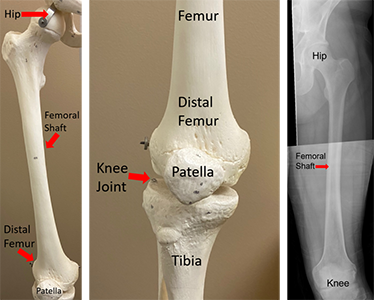
The femur, or thigh bone, is the longest and strongest bone in the body. Fractures of the femur vary in type and severity. Understanding these types helps recognize symptoms early. Some fractures allow limited walking, while others make it impossible.
Hairline And Stress Fractures
Hairline fractures are tiny cracks in the bone. Stress fractures develop from repeated pressure or overuse. These fractures cause mild pain that worsens with activity. Often, they do not stop walking immediately. Pain might appear in the thigh, groin, or knee. Diagnosis requires careful medical imaging like X-rays or MRI.
Atraumatic Fractures
Atraumatic fractures happen without a clear injury. Weak bones from conditions like osteoporosis can crack easily. Simple actions like coughing or bumping may cause these fractures. Symptoms include vague pain in the hip or thigh. Walking may still be possible, but medical checkup is essential.
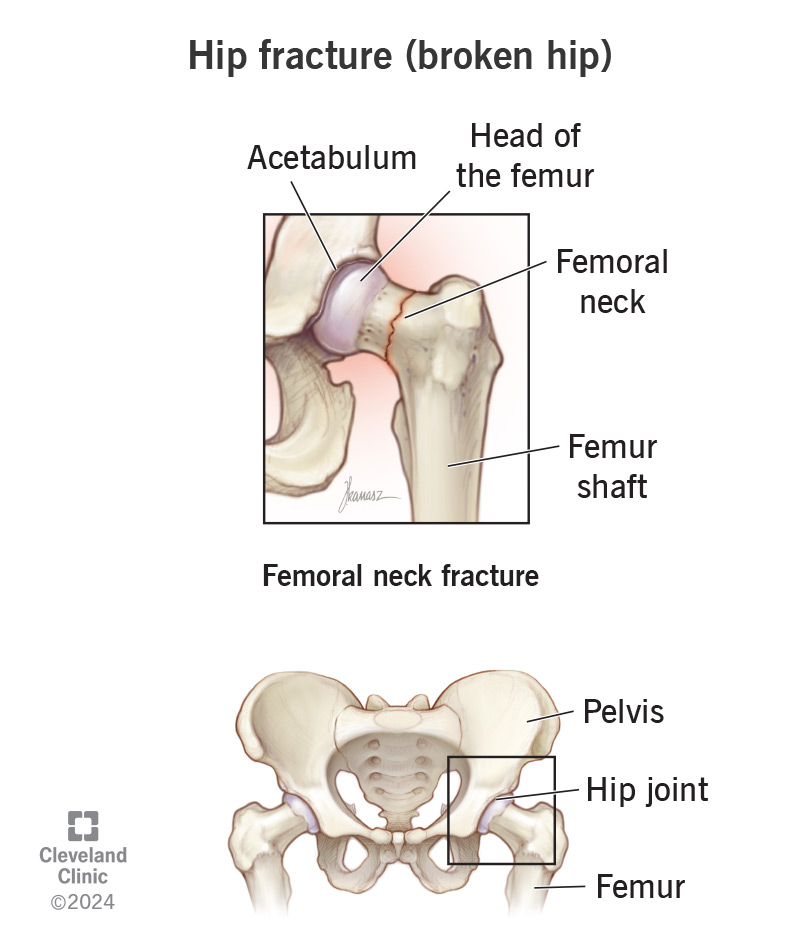
Hip And Femoral Neck Fractures
Hip fractures occur near the top of the femur, close to the hip joint. The femoral neck is a common site for these fractures. Some hip fractures cause mild pain and allow limited walking. The pain often appears in the groin or thigh. Early diagnosis is crucial to prevent complications and to plan treatment.
Credit: ota.org
Subtle Signs And Symptoms
Recognizing a fractured femur can be tricky. Some signs are clear, but others are subtle and easy to miss. These subtle signs and symptoms may not stop a person from walking, but they signal serious injury. Paying close attention to these signs can help catch the fracture early and prevent complications.
Pain Patterns
Pain from a fractured femur often starts mild or dull. It may feel like aching in the hip, thigh, or groin. The pain usually gets worse with movement or putting weight on the leg. Sometimes, the pain seems to shift or spread, making it hard to pinpoint.
Swelling And Tenderness
Swelling near the thigh or hip may appear slowly. The area might feel tender or sore to touch. This swelling can be slight and not very noticeable at first. Tenderness can increase with pressure or movement of the leg.
Limping And Weight Bearing Issues
Limping is a common sign but can be subtle. The person may try to walk but favor the uninjured leg. Putting full weight on the fractured leg might cause discomfort or instability. Sometimes, walking seems possible but causes worsening pain.
Numbness And Tingling
Numbness or tingling in the leg can occur if nerves are affected. This may feel like pins and needles or a loss of sensation. These symptoms need urgent attention, as nerve damage can complicate healing.
Walking On A Broken Femur
Walking on a broken femur is dangerous and rarely possible without pain. The femur is the strongest bone in the body, supporting weight and movement. A fracture disrupts this support, causing immediate issues. Understanding the effects of walking on a fractured femur helps prevent further injury.
Immediate Pain And Mobility Loss
A broken femur causes sudden, sharp pain. The pain usually stops any movement immediately. Walking becomes nearly impossible due to intense discomfort. Swelling and bruising appear quickly around the thigh. Loss of strength and control in the leg follows. The bone’s instability makes standing or putting weight risky.
Risks Of Walking On A Fracture
Walking on a fractured femur worsens the injury. The broken bone pieces can shift, causing more damage. Blood vessels and nerves near the fracture may get injured. This can lead to heavy bleeding or numbness in the leg. Walking risks delaying healing and may require surgery. It also increases pain and swelling, making recovery harder.
Exceptions With Minor Fractures
Some minor fractures, like hairline or stress fractures, cause less pain. These cracks may allow limited walking with discomfort. The pain usually grows worse after activity or weight-bearing. Even small fractures need medical checks to avoid complications. Rest and proper treatment help these fractures heal safely.
Urgency Of Medical Care
A fractured femur is a serious injury that needs quick medical attention. Walking on a fractured femur can cause more damage. Immediate care reduces risks and speeds up recovery. Understanding the urgency helps you act fast and avoid complications.
Complications From Delayed Treatment
Delaying treatment can lead to severe problems. The broken bone may move out of place, causing pain and deformity. Nerves and blood vessels near the femur can get damaged. This damage may cause numbness or poor blood flow. Infection risk rises if the skin breaks. Long delays can make healing harder and longer.
Importance Of Imaging Tests
Imaging tests are crucial for diagnosing a fractured femur. X-rays show the bone break and its position. Sometimes, fractures are hidden and need an MRI to detect. These tests guide doctors in planning the best treatment. Quick imaging ensures accurate diagnosis and proper care.
Treatment Options Overview
Treatment depends on the type and severity of the fracture. Minor cracks might need rest and limited movement. Severe breaks often require surgery to realign bones. Metal rods or plates may hold the bone during healing. Physical therapy helps regain strength and movement after treatment. Early treatment improves chances of full recovery.
Steps After Suspected Fracture
After a suspected fractured femur, acting quickly is crucial. Proper steps can prevent further injury and complications. Understanding what to do helps in managing pain and ensuring the best care.
Each stage, from recognizing symptoms to immobilization, is important. The goal is to protect the leg and get professional help fast.
When To Seek Medical Help
Seek medical help immediately if you feel severe thigh pain or cannot put weight on the leg. Any swelling, bruising, or deformity around the thigh needs urgent care. Do not try to walk if the pain is sharp or the leg looks misaligned. Even mild pain after a fall should be checked by a doctor.
Diagnostic Procedures
Doctors use X-rays to confirm a femur fracture. Sometimes, an MRI or CT scan is needed to see small cracks. These tests show the exact location and type of fracture. Accurate diagnosis helps decide the right treatment plan. Early imaging reduces the risk of missing hidden injuries.
Initial Care And Immobilization
Keep the injured leg still and avoid moving it. Use a splint or any firm object to immobilize the leg gently. Apply ice packs to reduce swelling but avoid direct contact with skin. Elevate the leg slightly if possible. Wait for emergency services or transport to a hospital without putting weight on the leg.

Credit: www.meddiagnosticrehab.co
Frequently Asked Questions
Can You Fracture Your Femur And Not Know It?
Yes, you can fracture your femur without realizing it, especially with hairline or stress fractures causing mild pain. Such fractures may allow walking but require urgent medical evaluation to prevent complications.
Can You Crack Your Femur And Still Walk?
You might walk with a cracked femur if the fracture is small or a hairline type. Pain usually worsens with movement. Seek immediate medical help to avoid complications and ensure proper healing.
What Are The Signs Of A Fractured Femur?
Signs of a fractured femur include severe thigh pain, swelling, difficulty walking, limb deformity, and numbness or tingling in the leg.
What Does A Hairline Fracture In The Femur Feel Like?
A hairline femur fracture causes mild, persistent pain in the thigh, groin, or hip. Pain worsens with movement or weight-bearing. You may notice swelling, tenderness, a slight limp, or numbness. Walking might still be possible, but medical evaluation is essential to prevent complications.
Can You Walk With A Fractured Femur?
Walking on a fractured femur is very dangerous and usually not possible. The pain and instability often prevent putting weight on the leg. Immediate medical care is necessary to avoid worsening the injury.
Walking on a fractured femur can cause serious harm. Even small cracks need prompt medical care. Pain, swelling, or difficulty moving are warning signs. Ignoring symptoms risks nerve damage and poor healing. Always seek a doctor’s advice after a fall or injury.
Proper diagnosis ensures the right treatment and a safer recovery. Protect your health by not walking on a suspected femur fracture. Early action helps avoid complications and speeds healing.

Tariqul
Tariqul is a dedicated health and wellness blogger with a background in health sciences. With years of experience in patient education and health communication, he focuses on providing accurate, easy-to-understand information to help readers make informed decisions about their well-being. Passionate about bridging the gap between clinical knowledge and everyday life, Tariqu ensures his content is both practical and medically sound.