Quick answer: yes, in most cases you can take a walking cane or walking stick on a plane. In the U.S., TSA generally allows canes and walking sticks through security and into the cabin once they’ve been screened, and assistive devices like canes usually don’t count toward your carry-on allowance. Hiking or trekking poles are different: they are often not allowed in carry-on bags and may need to go in checked luggage. Rules vary by country and airline, so check before you fly.
At a glance: canes, walking sticks and poles on planes
| Item | Cabin (carry-on) | Checked bag | Notes |
|---|---|---|---|
| Mobility cane | Usually yes, after screening | Yes | Usually doesn’t count toward your carry-on limit as an assistive device |
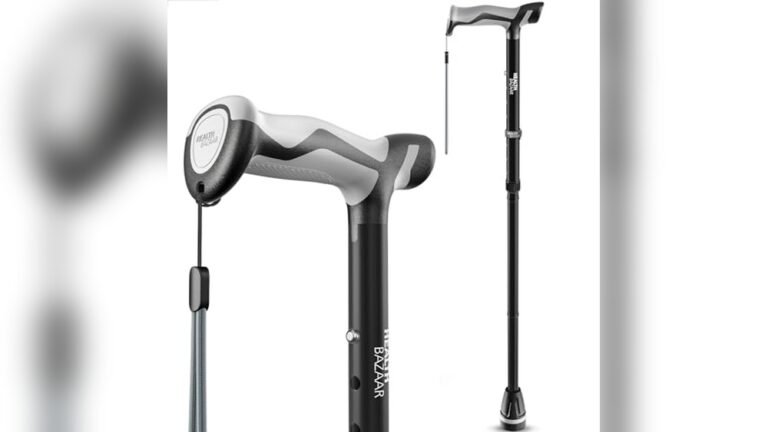
| Folding cane | Usually yes | Yes | Easy to stow under the seat or in the overhead bin |
| Walking stick used for support | Usually yes, after screening | Yes | Tell security staff you use it for mobility |
| Hiking / trekking poles | Often not allowed | Yes | Pointed metal tips are the usual issue |
| Sword canes or canes with hidden blades | No | Check local laws | Treated as weapons |
For the latest U.S. rules, search “cane” in the TSA “What Can I Bring?” tool. For other countries, check your airline’s website or the airport authority before you travel.
What to expect at airport security
- Your cane will usually be X-rayed or checked by hand. If you can’t stand or walk without it, tell the officer. They can screen it while you sit, or offer you a temporary aid.
- You don’t normally need a doctor’s note for a cane, but a short note can help if you also need extra assistance.
- Ask for wheelchair or special assistance when you book if walking long distances in the airport is hard. Airports are big.
- On board, the crew will help you stow the cane safely for take-off and landing.
Travelling a lot? A folding cane makes flights much easier. More tips in using a cane on buses, trains and in crowds.
Traveling with walking sticks can raise concerns for many travelers. Walking sticks provide crucial support for individuals who need assistance. So, are walking sticks allowed on planes? Let’s explore the essential travel guidelines to ensure a smooth journey.
Why People Use Walking Sticks
Walking sticks are invaluable tools that assist individuals in walking. They offer support and enhance balance, making them essential for:
- Post-Injury Recovery: Many people rely on walking sticks after sustaining injuries.
- Aging: Older adults often use walking sticks to maintain stability.
- Outdoor Activities: Hikers frequently utilize walking sticks to navigate uneven terrain.
In summary, walking sticks significantly improve mobility and independence for many users.
Airport Security Rules for Walking Sticks
Airport security regulations are stringent to ensure passenger safety. When it comes to walking sticks, here’s what you need to know:
- General Policy: Most airports permit walking sticks, recognizing their importance for many travelers.
- Security Checks: All items, including walking sticks, must undergo security screening.
Carry-On or Checked Luggage: What You Need to Know
You can bring walking sticks on planes as carry-on luggage. Here’s the process:
- Carry-On Policy: Walking sticks can be taken on board, eliminating the need for checked luggage.
- Security Screening: Be prepared for security personnel to inspect your walking stick to ensure it is safe for travel.
Types of Walking Sticks

Walking sticks come in various forms, making them versatile for travelers:
- Foldable Walking Sticks: These are compact and easy to store in bags, making them an excellent choice for air travel.
- Non-Foldable Walking Sticks: While these are typically bulkier, they are also permitted as carry-on items.
Tips for Traveling with Walking Sticks
To ensure a hassle-free travel experience with your walking stick, consider these tips:
- Notify the Airline: Inform the airline about your walking stick when booking your ticket.
- Arrive Early: Give yourself ample time for security checks and boarding.
- Prepare for Inspection: Be ready to present your walking stick for security inspection.
- Opt for Foldable Models: If possible, choose a foldable walking stick for easier transport.
Walking Sticks and Airline Policies
Each airline may have specific regulations regarding walking sticks. It’s essential to check with your airline for their particular guidelines. However, most airlines adhere to these basic principles:
Airline Policy Details
| Airline | Carry-On | Checked Luggage | Special Notes |
|---|---|---|---|
| Airline A | Allowed | Allowed | Must inform at booking |
| Airline B | Allowed | Allowed | Must be foldable |
| Airline C | Allowed | Allowed | Must pass security check |
| Airline D | Allowed | Allowed | No additional charges for medical use |
| Airline E | Allowed | Allowed | Check specific airline guidelines |
- Walking sticks are generally recognized as medical devices.
- They are allowed without additional fees.

What to Do if Your Walking Stick is Not Allowed
In rare cases, security may not permit your walking stick. If this happens, consider the following steps:
- Request a Wheelchair: Airports offer wheelchair services to assist you.
- Seek Assistance from Security: Security personnel can provide guidance and alternatives.
- Check Rental Options: Some destinations offer walking stick rentals for convenience.
Traveling with Hiking Sticks
Many travelers use walking sticks for hiking. The good news is that you can bring them on a plane. Just remember to follow the same guidelines: inform the airline, arrive early, and prepare for security checks.
Frequently Asked Questions
Are Walking Sticks Allowed in Carry-On Luggage?
Yes, walking sticks are allowed in carry-on luggage, provided they are collapsible.
Do Airlines Consider Walking Sticks as Medical Devices?
Yes, airlines typically classify walking sticks as medical devices, allowing them without extra charges.
Do I Need a Doctor’s Note for a Walking Stick on a Plane?
No, a doctor’s note is not required to carry a walking stick on a plane.
Can I Carry a Hiking Stick Instead of a Walking Stick?
Typically, hiking sticks are not allowed in carry-on luggage and should be checked in.
Walking sticks are generally allowed on planes, making travel easier for many individuals. Always verify the rules with your airline and prepare accordingly. Following these essential travel guidelines will help ensure a smoother journey.