
A fractured hip is more than just a painful injury—it can change your life in an instant. If you’ve suffered a fall or trauma and wonder, “Can you walk with a fractured hip?” it’s important to understand the risks and signs.
Trying to walk on a broken hip might seem possible at first, but it can cause serious damage and delay healing. You’ll discover the key symptoms to watch for, why walking might not be safe, and what steps to take immediately to protect yourself.
Keep reading to learn how to recognize a hip fracture and what to do next—your safety and recovery depend on it.
Table Of Contents
- 1 Signs Of A Hip Fracture
- 2 Can You Walk With A Fractured Hip?
- 3 Immediate Steps After Suspected Fracture
- 4 Diagnostic Methods
- 5 Treatment Options
- 6 Recovery And Rehabilitation
- 7 Frequently Asked Questions
Signs Of A Hip Fracture
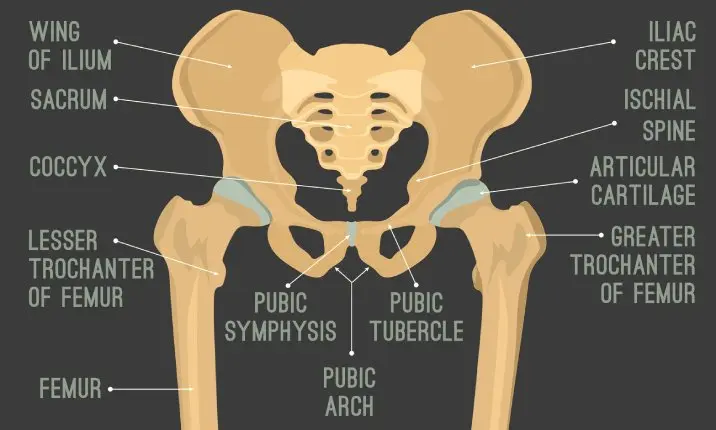
Recognizing the signs of a hip fracture is crucial for quick action. A fractured hip causes intense discomfort and affects movement. The symptoms vary but often include pain, swelling, and difficulty moving the leg.
Early detection helps prevent further injury and aids in faster recovery. Here are the key signs that may indicate a hip fracture.
Severe Hip And Groin Pain
Sharp pain often starts immediately after injury. The pain is intense and worsens with any movement. It usually centers around the hip or groin area. Resting may reduce pain but not eliminate it.
Swelling And Bruising
The hip area often swells quickly after the fracture. Bruising may appear around the hip or upper thigh. These signs show internal bleeding or tissue damage near the break.
Leg Deformity And Shortening
The injured leg may look shorter than the other. It can also turn outward or appear twisted. This visible deformity indicates bone displacement from the fracture.
Inability To Bear Weight
Standing or walking on the injured leg becomes very difficult or impossible. Trying to put weight on it causes severe pain. This is a strong sign of a serious fracture.
Stiffness And Limited Movement
The hip joint feels stiff and hard to move. Simple actions like bending or rotating the leg cause pain. Movement restriction happens due to pain and swelling.
Pain Radiating To Knee Or Lower Back
Sometimes, pain spreads from the hip to the knee or lower back. This radiating pain can confuse the injury source. It shows how a hip fracture affects nearby nerves.
Credit: www.parkwayeast.com.sg
Can You Walk With A Fractured Hip?
A fractured hip is a serious injury that affects your ability to move and walk. Many wonder if walking with a fractured hip is possible. The answer depends on pain levels, fracture type, and severity. Understanding these factors helps manage the injury safely.
Walking Despite Pain
Some people try to walk even with a fractured hip. Pain can be intense but varies among individuals. Walking may seem possible but often causes sharp discomfort. The body sends strong signals to avoid using the injured leg. Pain helps prevent further harm by limiting movement.
Risks Of Walking On A Broken Hip
Walking on a fractured hip risks worsening the injury. The bone may shift or break more, causing long-term damage. It can increase bleeding and swelling inside the joint. Walking may delay healing and lead to complications like blood clots. Rest and medical care are crucial to avoid these dangers.
Variations Based On Fracture Severity
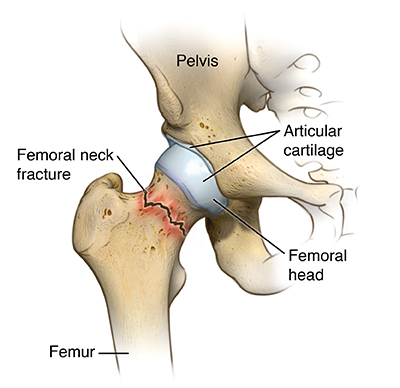
Not all hip fractures are the same. Some cracks are small and stable, allowing limited movement. Severe fractures often cause the leg to look deformed or shorter. These usually make walking impossible without help. Doctors use X-rays to determine fracture type and recommend the best treatment. Treatment ranges from surgery to rest and physical therapy.
Immediate Steps After Suspected Fracture
Taking the right steps immediately after suspecting a hip fracture is critical. Quick and careful action helps reduce pain and prevents further damage. Knowing what to do can improve recovery chances and avoid complications.
When To Call Emergency Services
Call emergency services right away if the pain is severe or the leg looks deformed. Do not wait if the injured person cannot move or stand. Immediate medical help is needed for proper diagnosis and treatment. A fractured hip is a serious injury that requires prompt attention.
Avoiding Movement To Prevent Further Injury
Keep the injured person still and avoid moving the leg. Movement can worsen the injury and increase pain. Support the hip and leg with pillows or soft materials if possible. Wait for medical professionals to arrive before attempting to move the person.
Diagnostic Methods
Diagnosing a fractured hip requires careful examination and imaging tests. Early and accurate diagnosis guides proper treatment and recovery plans. Medical professionals rely on specific imaging methods to detect fractures clearly. These diagnostic methods help confirm the presence and severity of the injury.
X-rays For Initial Assessment
X-rays are the first step in diagnosing a fractured hip. They provide clear images of the bone structure. X-rays can easily show most hip fractures. The test is quick, painless, and widely available. Doctors use X-rays to determine the fracture’s location and type. This helps in planning treatment, such as surgery or rest.
Mri And Ct Scans For Hidden Fractures
Sometimes, fractures do not show up on X-rays. MRI and CT scans help find hidden or small fractures. MRI uses magnetic fields to create detailed images of bones and soft tissues. CT scans combine X-rays to produce cross-sectional images of the hip. These tests are more sensitive than X-rays. They help detect fractures that are missed initially. MRI and CT scans guide doctors in choosing the right treatment.
Treatment Options
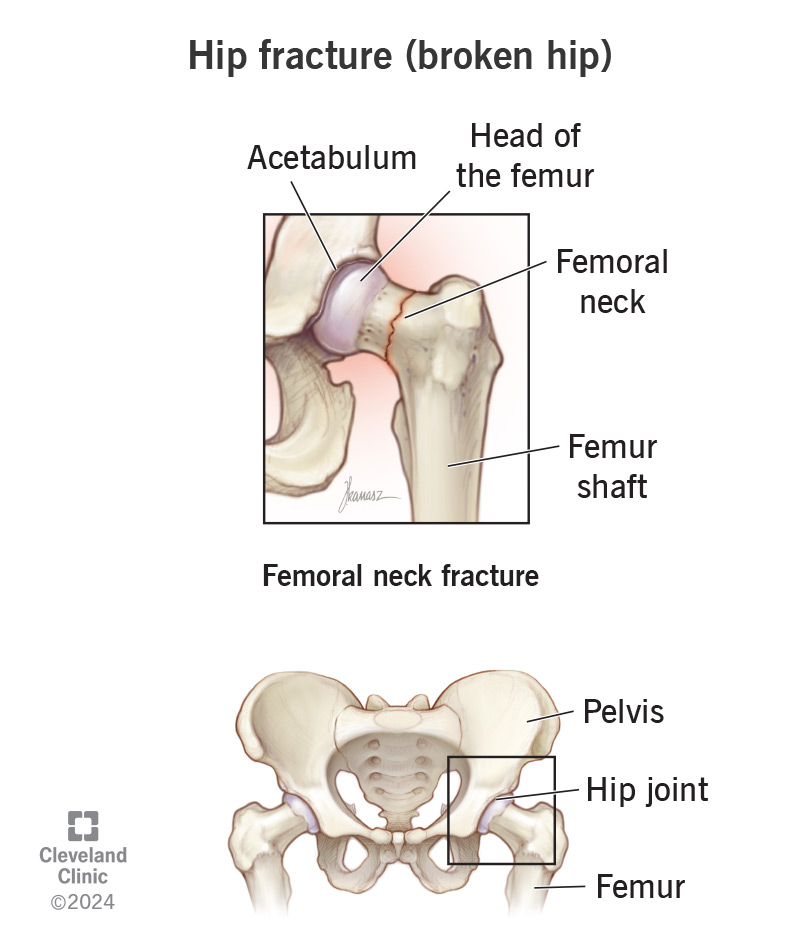
Treatment options for a fractured hip depend on the type and severity of the break. Doctors assess your overall health and mobility before deciding the best plan. The goal is to relieve pain, restore function, and allow safe movement. Treatment can be surgical or non-surgical, based on the fracture’s location and your condition.
Surgical Repair And Replacement
Surgery is common for most hip fractures. It helps stabilize the bone and allows early movement. Surgeons may use metal screws, plates, or rods to fix the break. In some cases, the damaged hip joint is replaced with an artificial one. This method is called hip replacement surgery. Surgery reduces pain and improves healing chances.
Non-surgical Management In Minor Cases
Minor fractures might heal without surgery. Rest and limited movement are key parts of this approach. Doctors use pain medications and physical therapy to support recovery. Walking aids like walkers or crutches help reduce weight on the hip. Regular monitoring ensures the bone heals properly. Non-surgical treatment suits patients with stable fractures or high surgery risks.
Credit: my.clevelandclinic.org
Recovery And Rehabilitation
Recovering from a fractured hip is a careful process that needs time and effort. The main goal is to regain strength and mobility safely. Rehabilitation helps patients return to daily activities and reduce pain.
Recovery usually starts soon after surgery or diagnosis. A team of healthcare providers guides the process. They focus on healing, improving movement, and preventing future problems.
Physical Therapy Exercises
Physical therapy plays a key role in hip fracture recovery. Therapists design exercises to improve leg strength and joint flexibility. Simple movements help increase blood flow and prevent stiffness.
Early exercises may include gentle leg lifts and ankle rotations. As strength grows, walking and balance training begin. Using walking aids like crutches or walkers supports safe mobility.
Pain Management Strategies
Managing pain is important for a smooth recovery. Doctors may prescribe medications to reduce pain and inflammation. It is important to follow the dosage and timing carefully.
Cold packs and heat therapy can also ease discomfort. Rest and proper positioning help reduce pressure on the hip. Relaxation techniques may improve overall comfort.
Preventing Future Fractures
Preventing another hip fracture requires lifestyle changes and care. Nutrition rich in calcium and vitamin D strengthens bones. Regular weight-bearing exercises improve bone density and balance.
Removing home hazards like loose rugs and poor lighting reduces fall risks. Regular vision and health check-ups ensure overall safety. Using assistive devices as needed helps maintain stability.
Credit: www.cedars-sinai.org
Frequently Asked Questions
How Do I Know If My Hip Is Fractured?
Severe hip or groin pain, swelling, bruising, inability to bear weight, and a shorter or outward-turned leg indicate a hip fracture. Limited hip movement and intense pain with motion also signal injury. Seek immediate medical help for proper diagnosis and treatment.
What Are The Symptoms Of A Hairline Fracture In Your Hip?
Symptoms of a hip hairline fracture include sharp hip or groin pain, swelling, bruising, stiffness, and difficulty bearing weight or walking. The injured leg may appear shorter or turned outward. Pain can also radiate to the thigh, knee, or lower back.
Seek medical evaluation promptly.
What Can Be Mistaken For A Hip Fracture?
Hip fractures can be mistaken for hip sprains, arthritis, muscle strains, or bursitis due to similar pain and limited movement.
What Does A Stress Fracture In The Hip Feel Like?
A hip stress fracture causes sharp pain in the groin or hip. Pain worsens with movement or weight-bearing. Swelling, stiffness, and difficulty walking often occur. The injured leg may feel weak or sore. Seek medical help for proper diagnosis and treatment.
Can You Walk With A Fractured Hip?
Walking with a fractured hip is usually very painful and difficult. Most people cannot bear weight on the injured leg. Immediate medical care is needed to avoid further damage.
Walking with a fractured hip is often very painful and risky. Most people cannot bear weight or stand properly. Ignoring symptoms can cause more damage. Proper diagnosis and treatment are essential. Surgery is usually needed to heal the fracture well.
Rest and follow medical advice carefully. Recovery takes time but helps regain mobility. Never try to walk alone if pain is severe. Always seek professional help immediately for best care. Your health matters most in hip fracture cases.

Tariqul
Tariqul is a dedicated health and wellness blogger with a background in health sciences. With years of experience in patient education and health communication, he focuses on providing accurate, easy-to-understand information to help readers make informed decisions about their well-being. Passionate about bridging the gap between clinical knowledge and everyday life, Tariqu ensures his content is both practical and medically sound.