
Many people use canes to assist with mobility. However, what are the disadvantages of using a cane? This tool may lead to reliance, affecting strength and balance over time. Users might experience discomfort or pain in their hands or wrists from prolonged use. Canes can also limit mobility in certain environments, making navigation difficult. Additionally, some individuals may feel self-conscious or stigmatized while using a cane. Recognizing these drawbacks helps in making informed decisions about mobility aids and finding the best solutions for individual needs.
Understanding the Role of Canes
Canes help people move around with ease. They support those with injuries, balance issues, or long-term needs. Many rely on canes to stay independent. They cost less than other mobility tools and work well for mild needs. Doctors often suggest them for conditions that require a cane, such as post-surgery recovery or arthritis in older adults. Canes also reduce stress on legs or joints during healing.
Yet, they come with downsides. This article will highlight those challenges, including what are the disadvantages of using a walking stick. Let’s first look at why people pick canes and what benefits they bring before we dive into the problems.
Physical Disadvantages of Using a Cane
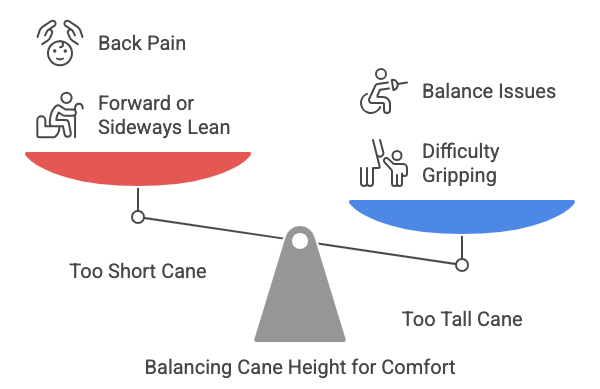
Canes bring some physical challenges for users. They offer less stability than other aids, raising the risk of falls for people with severe issues. Users often put too much weight on one side. Over time, this strains the wrist, elbow, or shoulder. Some face pain or injuries from this imbalance. Additionally, what are the disadvantages of a quad cane include its bulkier design, which can feel heavy and harder to maneuver for some.
A cane with the wrong height causes trouble too. If it’s too short, users lean forward or sideways. This messes up posture and leads to back pain. If it’s too tall, they struggle to grip it right, which throws off balance. Constant reliance on a cane also tires out muscles. It may weaken legs or other body parts as users depend on it more than their own strength.
Once you have decided on the style or function (like a seat), it is important to understand how your choice fits within the overall category. For a detailed look at all models, check our main guide on what type of walking cane is best.
Practical and Lifestyle Disadvantages
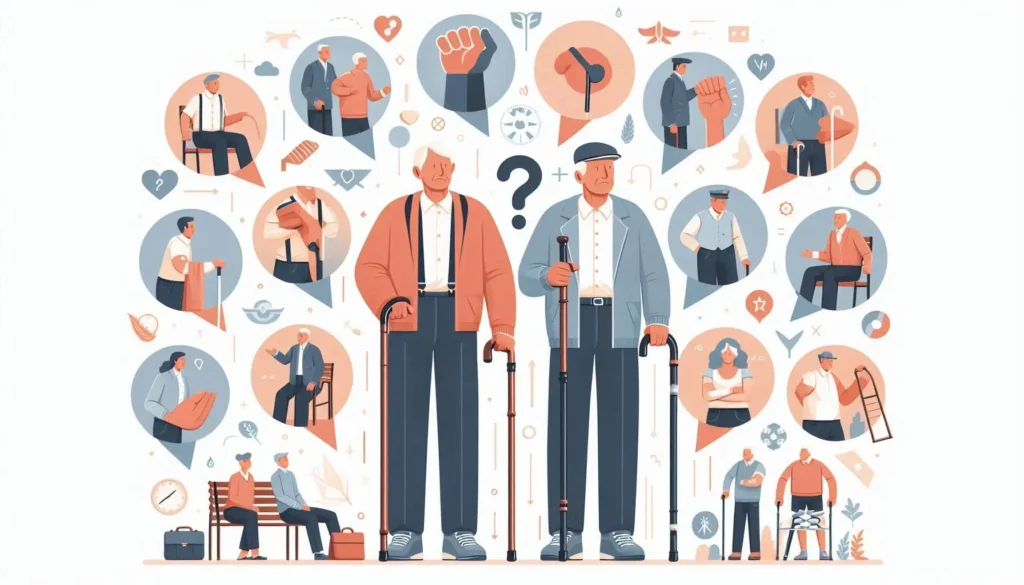
Canes create practical hurdles in daily life. They take up one hand, so carrying items becomes tough. Simple tasks like holding a bag or opening a door turn into a struggle. Users often drop things or need extra help. This slows them down and frustrates them. When looking at what are the disadvantages of using a walker, a similar issue arises as walkers also limit hand use, though they provide more stability.
Navigating tight spaces poses another issue. Canes snag on furniture or trip users in crowded spots. Stairs also become a challenge. Many find it hard to climb or descend while balancing with a cane. Public transport adds more trouble. Holding onto railings or standing in a moving bus feels risky with just one free hand. For those wondering what are two disadvantages of using a walker or what are 2 disadvantages of using a walker, limited mobility in tight areas and difficulty on uneven terrain stand out as key problems.
Lifestyle changes hit hard too. Social outings lose their fun when mobility limits kick in. Users might skip events or feel out of place with a cane. Some worry about how others see them. They fear judgment or pity, which dents confidence. Canes also need constant care. They wear out, slip on wet floors, or break at bad times, adding stress to life. Curious about choosing the right mobility aid? Check out our blog on “What Type of Walking Cane Is Best?” for expert tips and insights.
💡 Practical Solutions to Common Cane Problems
Based on the disadvantages listed above, here are the best tools to fix them.


Emotional and Social Disadvantages
Canes often affect emotions in tough ways. Many users feel self-conscious when they carry one. They notice stares or unwanted attention in public. This chips away at their confidence. Some even hide their cane to avoid standing out. Others battle frustration over lost independence. They miss doing things without help.
Social life takes a hit too. Friends or family might treat users differently. They offer help too often or assume weakness. This shifts relationships and creates tension. Users sometimes pull back from gatherings. They skip events to dodge awkward moments or pity. Isolation creeps in as a result. Canes also spark unwanted questions. Strangers ask personal details, which feels intrusive. These interactions drain emotional energy and make social settings harder to enjoy.
Once you have selected a style, ensure you review our ultimate guide on how to choose the best walking cane for a comprehensive fit and style check.
Long-Term Health Impacts
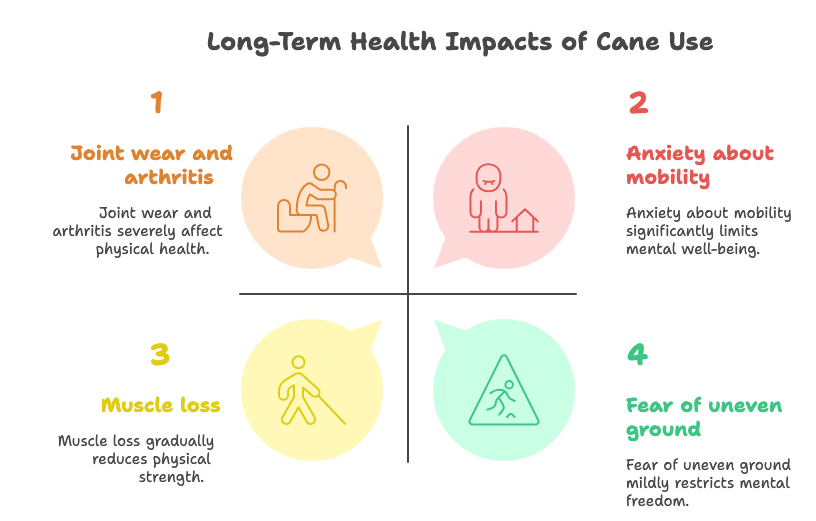
Canes impact health over many years in unexpected ways. They often shift body weight unevenly. This creates pressure on one side, which wears down joints like hips or knees faster. Users might face arthritis or chronic pain in those areas sooner than expected. The spine also suffers from poor posture. A tilted stance from cane use leads to back issues that worsen with age. When considering what are the disadvantages of using a rollator walker, uneven weight distribution can similarly cause joint strain over time.
Muscle loss becomes a real concern too. Legs and core weaken when a cane takes over support. This makes falls more likely if the cane isn’t around. Balance skills fade as well. The body forgets how to stand steady without aid. Over-reliance on a cane might even slow recovery from injuries. It delays the return of natural strength. For parents asking what are the disadvantages of using a baby walker, delayed muscle development and increased fall risks are major worries.
Mental health feels the strain in the long run. Constant dependence breeds anxiety about moving without help. Users fear leaving home or facing uneven ground. This limits their world and dulls their spirit. Physical limits also tie into emotional weight, creating a cycle of stress that harms overall wellness.
Mitigating the Disadvantages
You can lessen the downsides of using a cane with practical steps. First, pick the right cane height. Stand straight and let your arm hang naturally. The cane’s top should hit your wrist. This keeps posture solid and cuts strain. Ask a doctor or therapist for help with the fit. Learn how to use a cane with a bad knee by placing it on the opposite side of the injured leg to reduce pressure.
Strengthen your body to balance reliance on the cane. Do light exercises for legs and core. Simple moves like seated leg lifts build muscle without risk. Practice standing without the cane for short moments. This boosts confidence and keeps skills sharp. A physical therapist can guide you on safe routines and show how to stop using a cane by gradually building strength.
Handle daily tasks with smart tricks. Use a backpack or shoulder bag to free up hands. Attach a small hook to the cane for light items. Plan routes to avoid tight spots or steep stairs. Take public transport during quiet hours to dodge crowds. These small changes ease frustration. For those needing how to use a cane for balance, focus on slow, steady steps and grip the cane firmly.
Tackle emotional strain head-on. Talk to friends or family about how you feel. Join support groups to share tips and stories. Ignore stares by focusing on your goals. If social settings feel tough, start with short outings. Build up to bigger events over time. Keep a spare cane or parts handy. This prevents stress from sudden breaks or slips.
Switch between mobility aids if possible. Use a walker for longer trips to spread support. Rest the cane on tough days to avoid overworking one side. Rotate tools to protect joints and muscles. Always check with a health expert before you make big shifts. Their advice keeps you safe while cutting long-term risks.
Real Stories and Experiences
Real people share how canes shape their lives. Sarah, a 62-year-old retiree, started using a cane after knee surgery. She felt clumsy at first. Stairs tripped her up, and strangers stared. Yet, she painted her cane bright blue. This made her smile and sparked fun chats instead of pity. Now, she walks short trails with pride.
Mark, a 35-year-old with a back injury, faced different hurdles. He hated carrying things with one hand. Grocery trips turned into a mess. He solved it with a small backpack. This freed his grip and cut stress. Still, he admits social outings feel odd. Friends hover too much, so he picks quiet meetups to stay at ease.
Lila, a college student, uses a cane for balance issues. She noticed her arm ached after long days. Her doctor suggested wrist exercises. These helped a lot, and she switches hands to spread the load. Lila also felt shy on campus. She joined a disability group. Friends there showed her how to laugh off awkward looks. Their tips keep her spirits high.
These stories show real struggles and wins. Canes bring challenges, but people find ways to push through. They tweak routines, seek support, and reclaim their days. Each journey offers a lesson for anyone facing similar fights.
Canes bring challenges like physical strain, daily hassles, and emotional weight. Knowing these downsides helps you plan better. A key step is learning “how do you measure a walking stick” to avoid extra strain from a poor fit. Talk to healthcare providers for advice on canes or other options that suit you. They offer guidance for safer use. Share your story in the comments to help others and build support. Your input matters. Take charge of your mobility choices today and connect with a community facing the same hurdles.

Tariqul
Tariqul is a dedicated health and wellness blogger with a background in health sciences. With years of experience in patient education and health communication, he focuses on providing accurate, easy-to-understand information to help readers make informed decisions about their well-being. Passionate about bridging the gap between clinical knowledge and everyday life, Tariqu ensures his content is both practical and medically sound.