
Are you confused about whether you need a cane or a walking stick? You’re not alone.
Many people use these terms interchangeably, but they serve different purposes and can affect your comfort and safety. Choosing the right one can make a big difference in your daily life. Keep reading to discover the key differences between a cane and a walking stick, so you can find the perfect support for your needs.
Table Of Contents
- 1 Cane Basics
- 2 Walking Stick Essentials
- 3 Comparing Functions
- 4 Design Differences
- 5 Choosing The Right Option
- 6 Maintenance Tips
- 7 Frequently Asked Questions
Cane Basics
Understanding cane basics helps clarify its role and features. A cane is a simple tool used mainly for support. It aids balance and helps reduce weight on legs. People use canes for walking stability or injury recovery.
Canes come in many styles and materials. Each type suits different needs and preferences. Exploring their purpose, materials, and design reveals key differences from walking sticks.
Purpose And Use
Canes provide extra support while walking. They help people with weak legs or balance problems. Canes reduce strain on joints and muscles. Some use canes for short-term recovery after injury. Others rely on them daily for mobility.
Common Materials
Most canes are made from wood or metal. Wood offers a classic look and strong support. Metal canes are lightweight and durable. Some canes have rubber tips to prevent slipping. Handles may be plastic, wood, or foam for comfort.
Design Variations
Canes vary in height and handle shape. Some have a curved handle for easy grip. Others use a straight or ergonomic handle for comfort. Folding canes fold for easy storage. Adjustable canes change height to fit users.
Credit: www.walkingsticks.co.uk
Walking Stick Essentials
Walking sticks have a long history and many uses. They are more than just a support tool. People carry walking sticks for balance, style, and even self-defense. Understanding their essentials helps you see why they differ from canes.
Walking sticks come in many forms. Their design and purpose affect how they look and feel. Below are key points about walking sticks to help you learn more.
Primary Functions
Walking sticks mainly provide balance on uneven ground. Hikers and travelers use them for extra stability. They help reduce strain on legs during long walks. Some people also use walking sticks as a fashion statement. Others carry them for protection against animals or threats.
Typical Materials
Wood is the most common material for walking sticks. Hardwoods like oak, hickory, and maple are popular choices. Some sticks use lightweight metals like aluminum. Carbon fiber sticks offer strength and lightness. Handles often have leather or rubber grips for comfort.
Style And Shape
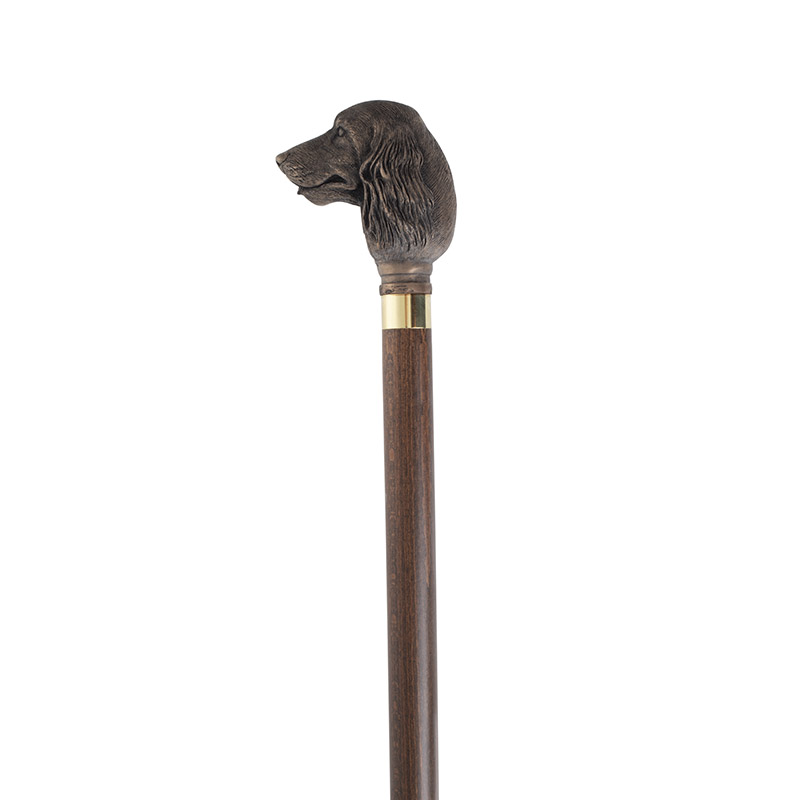
Walking sticks vary in style from simple to ornate. Many have straight shafts, but some curve or twist. Handles can be curved, T-shaped, or even carved into animal shapes. Length depends on user height and purpose. The stick’s shape affects how easy it is to carry and use.
Comparing Functions
Comparing the functions of canes and walking sticks helps understand their main uses. Both offer support but serve different needs. Understanding these differences helps choose the right tool for daily activities or special tasks.
Support And Stability
Canes provide strong support for people with balance issues. They help reduce pressure on injured legs or joints. Walking sticks offer less support but improve balance on uneven surfaces. Canes have ergonomic handles for better grip and comfort. Walking sticks often have a simpler design focused on steadying the user.
Mobility Assistance
Canes assist users with limited mobility or recovering from surgery. They help maintain a steady pace and reduce fatigue. Walking sticks are ideal for light assistance and short distances. They encourage an active lifestyle by offering gentle support. Both improve confidence in walking but suit different levels of need.
Outdoor And Recreational Use
Walking sticks are popular for hiking and outdoor activities. They help navigate rough terrain and provide extra balance. Canes are less common outdoors but useful on paved paths or indoors. Walking sticks are often made of durable materials for rough use. Canes focus more on everyday support and comfort.

Credit: flipstick.co.uk
Design Differences
The design differences between a cane and a walking stick are clear and practical. Each serves a unique purpose, shaping their look and feel. Understanding these design details helps you choose the right support tool.
Height And Length
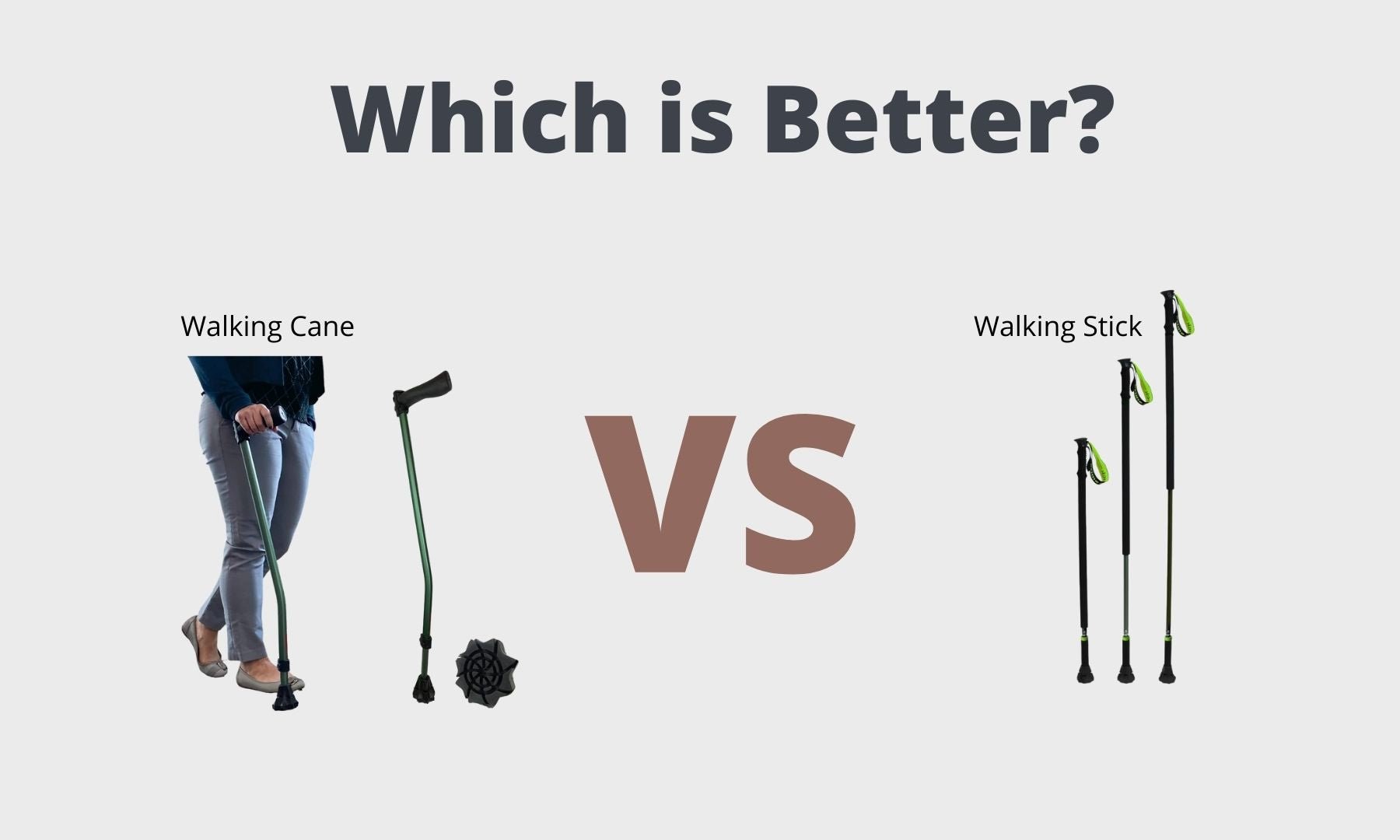
Canes are usually shorter than walking sticks. They often reach the user’s wrist or slightly below. Walking sticks tend to be longer, sometimes reaching the chest or shoulder. The height affects balance and ease of use.
Handle Types
Canes feature ergonomic handles like the crook or derby style. These handles fit the hand comfortably for daily support. Walking sticks often have simple handles or natural shapes from the wood. Their design focuses more on style and grip variety.
Weight And Durability
Canes are made from lightweight materials like aluminum or carbon fiber. This makes them easy to carry and use all day. Walking sticks are often heavier, crafted from solid wood or metal. They are built to last and handle rough outdoor use.
Choosing The Right Option
Choosing the right support tool can improve comfort and safety. Canes and walking sticks serve similar purposes but suit different needs. Understanding your specific situation helps in making the best choice.
User Needs
Consider how much support you require. Canes offer more stability and balance. Walking sticks provide light support and help on uneven ground. Think about the activities you do daily. A cane works well indoors and on smooth surfaces. Walking sticks are better for outdoor use and rough paths.
Health Considerations
Health issues affect the choice between cane and walking stick. People with weak legs or balance problems benefit from a cane. It distributes weight evenly and reduces strain. Those needing less support can use walking sticks. Joint pain or arthritis may require a cushioned handle. Always consult a doctor for advice on the best option.
Aesthetic Preferences
Style matters for many users. Canes come in classic, modern, and elegant designs. Walking sticks often have natural, rustic looks. Choose a style that fits your personality and daily wear. A comfortable grip and good height are important too. Feeling confident with your support tool encourages regular use.
Maintenance Tips
Proper maintenance helps your cane or walking stick last longer. It keeps them safe and looking good. Small efforts prevent big problems later. Follow these tips to care for your walking aid well.
Cleaning And Care
Wipe your cane or walking stick regularly with a soft cloth. Use mild soap and water for dirt or stains. Avoid harsh chemicals that can damage the material. Dry it fully to stop rust or mold. Check the handle and shaft for cracks or wear often.
Storage Advice
Store your cane or walking stick in a dry place. Avoid direct sunlight to prevent fading or warping. Keep it upright or hang it on a hook to keep shape. Do not lean it against walls for long periods. Proper storage stops damage and keeps it ready to use.
Repair And Replacement
Fix small cracks or loose parts immediately. Use wood glue or tape for quick fixes. Replace worn rubber tips to keep good grip and safety. If the stick bends or breaks, get a new one. Regular checks help you spot issues early and avoid accidents.
Credit: dynamome.com
Frequently Asked Questions
What Is The Main Difference Between A Cane And Walking Stick?
A cane primarily provides support and balance for mobility. A walking stick is often used for hiking or as a fashion accessory. Canes have ergonomic handles, while walking sticks are usually straight and longer.
Are Canes Better Than Walking Sticks For Elderly Support?
Yes, canes offer better stability and ergonomic grip for elderly users. Walking sticks are less specialized and more suitable for light support or outdoor use.
Can Walking Sticks Be Used For Medical Purposes?
Walking sticks are generally not designed for medical use. Canes are specifically crafted to aid those with mobility challenges and improve balance.
What Materials Are Commonly Used For Canes And Walking Sticks?
Both canes and walking sticks are made from wood, metal, or carbon fiber. Canes often have rubber tips for grip, while walking sticks may have pointed ends for trails.
Cane and walking stick serve different purposes and styles. Canes provide strong support for those with balance issues. Walking sticks offer light help and often serve as a hiking aid. Choosing the right one depends on your needs and comfort.
Both help improve mobility and confidence. Understanding their differences helps you pick what suits you best. Use your cane or walking stick with care and enjoy better movement every day.

Tariqul
Tariqul is a dedicated health and wellness blogger with a background in health sciences. With years of experience in patient education and health communication, he focuses on providing accurate, easy-to-understand information to help readers make informed decisions about their well-being. Passionate about bridging the gap between clinical knowledge and everyday life, Tariqu ensures his content is both practical and medically sound.