
Are you planning to spend more time outdoors and wondering whether you need a walking stick or a trekking pole? Choosing the right support tool can make a huge difference in your comfort, balance, and safety.
But how do you know which one suits your needs best? Understanding the key differences between walking sticks and trekking poles will help you make the smartest choice for your next adventure. Keep reading to discover which option fits your style and terrain perfectly.
Purpose And Use
Walking sticks and trekking poles serve different needs. Both help improve balance and reduce strain. Their design and use reflect these differences clearly. Understanding their purpose helps you choose the right tool.
Everyday Walking Support
Walking sticks provide steady support for daily walks. They help people with balance or joint pain. Made of wood or lightweight materials, they are simple and sturdy. Walking sticks often have a curved handle for easy grip. They offer stability on sidewalks or smooth paths. Many use walking sticks for short distances or slow walks. They are also a style choice for some users.
Hiking And Trekking Assistance
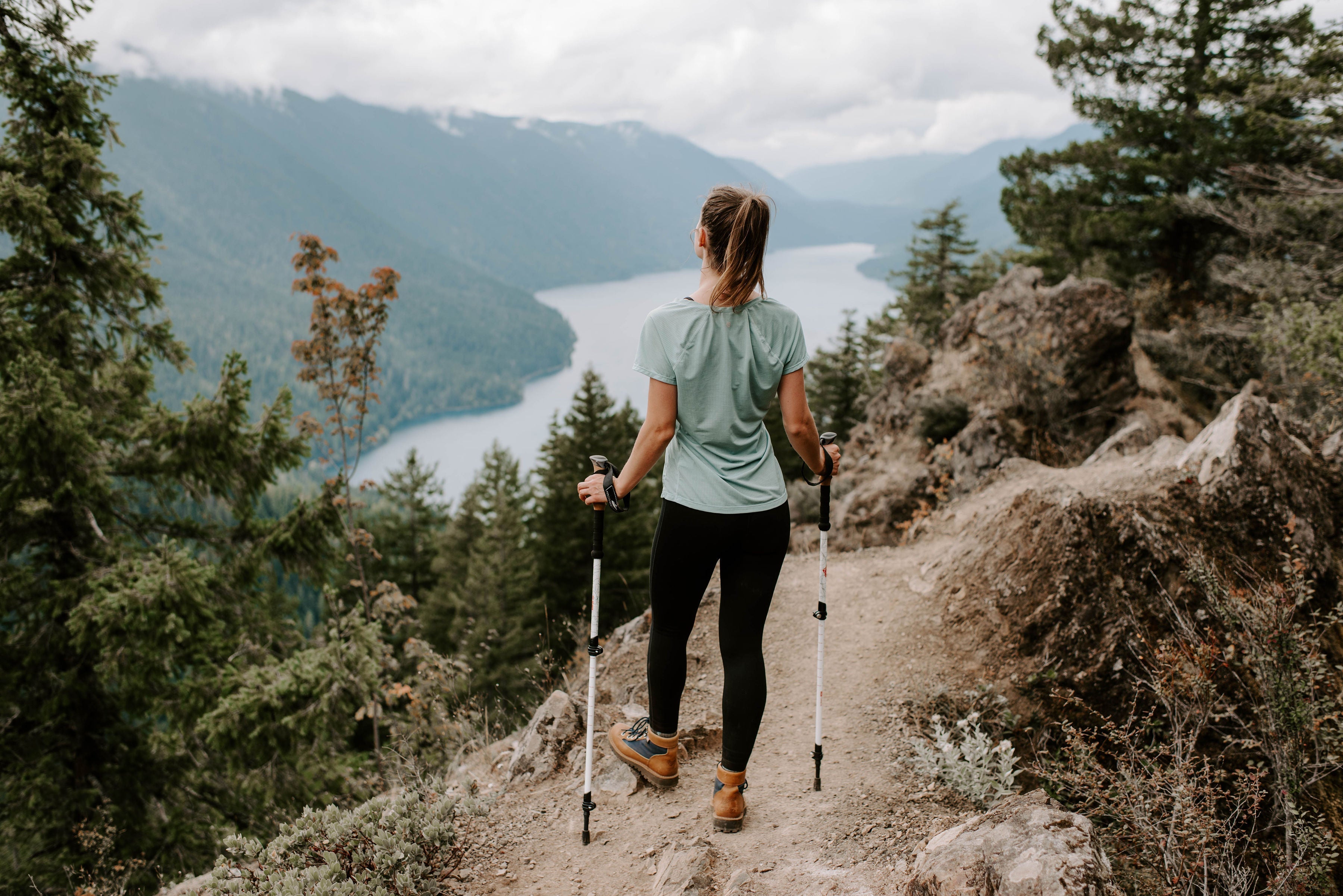
Trekking poles are designed for rough terrains and long hikes. They are usually made from strong, lightweight materials like aluminum or carbon fiber. These poles often come in pairs for better balance. Adjustable length helps adapt to different slopes and heights. Trekking poles reduce impact on knees and legs during steep climbs. They improve speed and endurance on uneven trails. Many hikers rely on them for safety and support in nature.
Design And Features
The design and features of walking sticks and trekking poles differ to match their uses. These differences affect comfort, support, and durability. Understanding these details helps you choose the right tool for your outdoor activity.
Material And Build
Walking sticks often use wood, giving a classic look and natural feel. Trekking poles usually feature lightweight metals like aluminum or carbon fiber. These materials make poles strong yet easy to carry. The build of trekking poles focuses on durability for rough trails. Walking sticks are simpler but sturdy for casual walks.
Adjustability And Length
Trekking poles have adjustable lengths. This feature suits different terrains and user heights. You can shorten or lengthen them quickly during hikes. Walking sticks usually have a fixed length. They are made to fit the user’s height from the start. Adjustability adds convenience and better support on uneven ground.
Grip And Handle Types
Walking sticks often have wooden or rubber handles shaped for comfort. Trekking poles use ergonomic grips made from cork, foam, or rubber. These materials reduce sweat and prevent slipping. Trekking grips also include wrist straps for extra control. This design helps keep a steady hold on long hikes.
Weight And Portability
Weight and portability are key factors when choosing between walking sticks and trekking poles. Carrying heavy gear can tire you out quickly on a hike. Lightweight tools help keep your pace steady and energy high. Portability also matters for easy packing and storage. Some models fold down small for travel or quick breaks.
Lightweight Options
Walking sticks often weigh less than trekking poles. They use simpler designs and fewer parts. Many are made from wood or light metals like aluminum. Trekking poles have extra features and stronger materials. This can add weight but also more support. Choosing lightweight poles helps reduce arm fatigue over long hikes. Lighter gear means easier, more comfortable walking.
Folding And Collapsible Models
Folding and collapsible models offer great portability. Walking sticks usually come as one solid piece. Some trekking poles fold or collapse in two or three parts. This makes them easy to pack inside bags or backpacks. Collapsible poles fit well in tight spaces. Folding models save room and allow quick storage. Portability suits hikers who need to carry less bulk.
Credit: cascademountaintech.com
Terrain Suitability
Terrain suitability plays a key role in choosing between walking sticks and trekking poles. Each tool fits different ground types and walking styles. Knowing where you will walk helps pick the right support.
Urban And Flat Surfaces
Walking sticks work well on flat, smooth surfaces. Sidewalks, city parks, and paved paths suit walking sticks best. They offer steady balance without extra features. Their simple design matches gentle terrain needs. Easy to carry and use for daily walks.
Rough And Uneven Trails
Trekking poles shine on rough, uneven trails. Hiking paths, rocky grounds, and steep hills need strong support. Trekking poles have shock absorbers and adjustable lengths. These features help absorb shocks and keep stability. They reduce strain on knees and legs. Designed for tough outdoor conditions and long hikes.
https://www.youtube.com/watch?v=Aa8friu5dG4
Additional Functionalities
Walking sticks and trekking poles serve similar purposes but differ in extra features. These additional functionalities make trekking poles more versatile for outdoor activities. They help reduce strain and increase comfort on rough trails. Understanding these features helps choose the right tool for your adventure.
Shock Absorption
Trekking poles often have built-in shock absorbers. They soften the impact on your wrists and elbows. This feature is helpful on steep or rocky paths. Walking sticks usually do not include shock absorption. This makes trekking poles better for long hikes or uneven terrain.
Accessories And Attachments
Trekking poles come with many accessories. You can add baskets for snow or mud. Rubber tips protect pavement and improve grip. Some have built-in compasses or camera mounts. Walking sticks have fewer add-ons and simpler designs. These options make trekking poles more adaptable to different conditions.

Credit: www.gossamergear.com
Price And Durability
Price and durability are key factors when choosing between walking sticks and trekking poles. Both tools offer support, but they differ in cost and how long they last. Understanding these differences helps you make the right choice for your needs and budget.
Cost Differences
Walking sticks usually cost less than trekking poles. They are simpler in design and made from basic materials like wood. Trekking poles often use lightweight metals or carbon fiber, which raises the price. Expect to pay more for features like adjustable length and shock absorption in trekking poles. Budget-friendly walking sticks suit casual walkers. Serious hikers may prefer spending more on trekking poles for better support.
Longevity And Maintenance
Trekking poles tend to last longer because of their durable materials. They resist wear and tear on rough trails. Walking sticks can break or wear down faster, especially wooden ones. Trekking poles need occasional maintenance, like checking locks and cleaning joints. Walking sticks require less upkeep but might need replacement sooner. Proper care extends the life of both tools. Choose based on how often you hike and the terrain you face.

Credit: www.decathlon.com
Frequently Asked Questions
What Are The Main Differences Between Walking Sticks And Trekking Poles?
Walking sticks are simpler, usually one solid piece, mainly for balance. Trekking poles are adjustable, lightweight, and often come in pairs for better support on rough terrain.
Which Is Better For Hiking: Walking Sticks Or Trekking Poles?
Trekking poles are better for hiking due to adjustable height and shock absorption. Walking sticks suit casual walks or flat trails more.
Can Walking Sticks Be Used For Trekking Purposes?
Walking sticks can be used but lack adjustability and features like shock absorption. Trekking poles provide more stability and comfort on uneven terrain.
How Do Trekking Poles Improve Hiking Performance?
Trekking poles reduce joint impact, improve balance, and increase endurance. They help distribute weight evenly and provide better traction on slopes.
Walking sticks and trekking poles serve different purposes on the trail. Walking sticks offer simple support for casual walks. Trekking poles provide stability and help on rough terrain. Both improve balance but suit different activities. Choose based on your walking style and trail needs.
Knowing their differences helps you stay safe and comfortable outdoors. Use the right tool to enjoy every step. Keep exploring and find what works best for you.

Tariqul
Tariqul is a dedicated health and wellness blogger with a background in health sciences. With years of experience in patient education and health communication, he focuses on providing accurate, easy-to-understand information to help readers make informed decisions about their well-being. Passionate about bridging the gap between clinical knowledge and everyday life, Tariqu ensures his content is both practical and medically sound.