
Recovering from a hip replacement can feel overwhelming, especially when it comes to using a cane. You might be wondering, how long will you need to rely on that cane to walk safely?
Knowing the right timeline helps you regain confidence and avoid setbacks. You’ll discover what to expect, when you can start putting the cane aside, and tips to speed up your recovery. Keep reading to take control of your healing process and step forward with ease.
Recovery Timeline After Hip Replacement
The recovery timeline after hip replacement varies for each person. It depends on your health, age, and surgery type. Knowing the phases helps you set realistic goals. It also guides you on how long to use a cane while walking. Understanding this timeline keeps you motivated during healing.
Initial Healing Phase
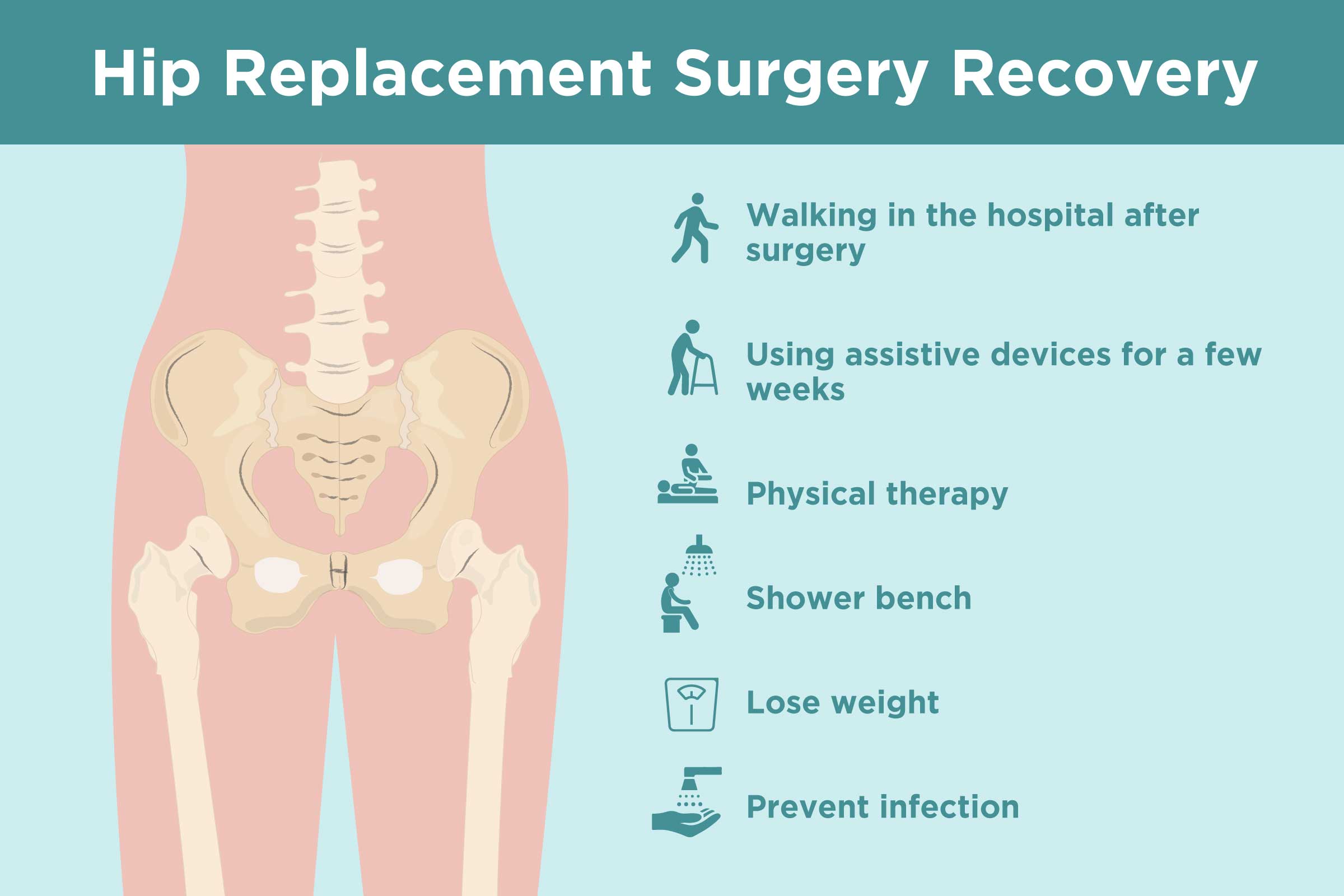
This phase lasts about 4 to 6 weeks after surgery. Your body focuses on healing the surgical area. Pain and swelling are common during this time. You will likely use a cane or walker to move safely. Moving slowly helps avoid stress on the new hip. Rest and gentle exercises support healing.
Physical Therapy Progression
Physical therapy usually starts soon after surgery. The therapist helps you improve strength and flexibility. Walking with a cane continues as you gain balance. Exercises become more challenging each week. Therapy sessions teach you safe ways to move. Progress depends on your effort and healing speed.
When To Start Walking Without Support
Many patients stop using a cane around 6 to 12 weeks. This depends on your strength and confidence. Your doctor and therapist decide when you can walk alone. Walking without support means your hip is stable. Continue exercises to keep improving balance and strength. Always listen to your body and avoid pain.

Credit: venturaortho.com
Role Of A Cane In Hip Recovery
Using a cane helps many people after hip replacement surgery. It provides support and balance. This support reduces the risk of falls. A cane also helps to take weight off the healing hip. It allows safer walking and steadier movement. Walking with a cane encourages better posture. It can ease pain by reducing pressure on the hip joint. A cane acts as a helpful tool during the early recovery phase.
Benefits Of Using A Cane
A cane improves stability on uneven surfaces. It helps maintain balance during daily activities. Using a cane reduces strain on the hip muscles. It supports safe walking and reduces the chance of injury. A cane encourages confidence in moving around. It also helps prevent limping by promoting even weight distribution. These benefits aid in faster, safer recovery.
Types Of Canes Suitable For Hip Replacement
Single-tip canes are common and easy to use. Quad canes provide extra stability with four small feet. Adjustable height canes fit different body sizes. Folding canes offer convenience for travel and storage. Lightweight materials like aluminum make carrying easier. Choosing the right cane depends on personal comfort and doctor advice. Each type supports walking in different ways.
Proper Cane Usage Techniques
Hold the cane on the opposite side of the operated hip. Step forward with the weaker leg first. Move the cane forward along with the weaker leg. Keep your back straight and look ahead while walking. Avoid leaning too much on the cane. Practice slow, steady steps to maintain balance. Proper use prevents extra strain and promotes healing.
Factors Influencing Cane Usage Duration
The time you use a cane after hip replacement varies. Many factors affect how long you need support. Knowing these can help set clear recovery goals. Each person’s healing journey is unique and depends on many things.
Age And Overall Health
Older adults often need a cane longer. Their muscles and bones heal slower. Health issues like arthritis or diabetes can slow recovery. Stronger health usually means faster walking without a cane. Staying active before surgery helps improve overall strength.
Surgical Approach And Technique
Different surgery methods affect recovery time. Less invasive techniques often mean quicker healing. Surgeons may use smaller cuts or special tools. This reduces pain and swelling after surgery. Faster healing lowers the time a cane is needed.
Post-operative Complications
Complications can extend cane use. Infections or blood clots slow healing. Pain or stiffness might delay walking without aid. Physical therapy helps reduce these risks. Following doctor advice can speed up recovery.
Signs To Stop Using A Cane
Knowing when to stop using a cane after hip replacement is important. Using a cane helps with balance and support during recovery. At some point, your body may be ready to move on without it. Watch for clear signs that show you no longer need this aid.
Stopping cane use too soon can cause falls or injuries. Waiting too long might slow your progress. Pay attention to your body’s signals and expert advice.
Improved Balance And Strength
Your balance gets better as muscles grow stronger. You can stand without wobbling. Walking feels steady and natural. You can move on uneven surfaces without help. These are strong signs you can stop using a cane safely.
Pain Reduction Indicators
Pain lessens with healing. You feel little or no discomfort while walking. Hip stiffness fades away. You no longer limp or favor one side. When pain no longer limits movement, the cane may be unnecessary.
Doctor’s Recommendations
Doctors guide your recovery. They check your strength and walking ability. Your doctor will tell you when to stop using the cane. Follow their advice carefully to avoid setbacks. Regular check-ups help track your progress and safety.
Tips For Safe Walking With A Cane
Walking safely with a cane after a hip replacement is very important. The cane helps balance and support while healing. Using it the right way can prevent falls and pain. Follow these simple tips to walk safely and confidently.
Maintaining Proper Posture
Stand tall and keep your back straight. Avoid leaning forward or slouching. Hold the cane on the side opposite your operated hip. This helps share your weight evenly. Look ahead, not down at your feet. Good posture reduces strain and improves balance.
Avoiding Common Walking Mistakes
Do not put all your weight on the cane. Use it for support, not full weight. Step with your operated leg first, then move the cane. Take slow and steady steps. Avoid twisting your hip or turning too fast. These habits protect your new hip.
Using Supportive Footwear
Wear shoes with non-slip soles and good support. Avoid slippers or loose shoes. Proper shoes help keep your feet stable. This lowers the chance of slipping or falling. Comfortable shoes also reduce foot pain and fatigue.

Credit: acibademinternational.com
Credit: creakyjoints.org
Frequently Asked Questions
How Long Do You Typically Use A Cane After Hip Replacement?
Most patients use a cane for 4 to 6 weeks after hip replacement. This helps with balance and reduces strain. Your doctor will advise when it’s safe to stop using the cane based on your recovery progress.
When Can I Start Walking Without A Cane Post-surgery?
You can usually walk without a cane 6 to 8 weeks after surgery. This depends on your strength and stability. Follow your surgeon’s recommendations and physical therapy guidance for safe progress.
Does Using A Cane Speed Up Hip Replacement Recovery?
Using a cane provides stability and reduces fall risk, aiding recovery. It doesn’t directly speed healing but helps you move safely and confidently during early recovery stages.
Can I Switch From A Cane To A Walker After Hip Replacement?
Switching to a walker is uncommon after hip replacement unless extra support is needed. Most patients start with a walker, then progress to a cane as strength improves.
Conclusion
Most people walk with a cane for about six to twelve weeks. This time helps support balance and strength after surgery. Your doctor will guide when to stop using the cane. Walking without a cane shows your hip is healing well.
Keep practicing exercises to improve your movement. Patience is key during recovery. Listen to your body and avoid rushing. Soon, you will walk confidently on your own.

Tariqul
Tariqul is a dedicated health and wellness blogger with a background in health sciences. With years of experience in patient education and health communication, he focuses on providing accurate, easy-to-understand information to help readers make informed decisions about their well-being. Passionate about bridging the gap between clinical knowledge and everyday life, Tariqu ensures his content is both practical and medically sound.