

Short answer: clear the floors (no loose rugs, cords or clutter), add light (especially at night and on stairs), put handrails on both sides of the stairs, install grab bars in the bathroom, and keep the things you use every day between waist and shoulder height. Go room by room with the checklist below.
Most falls happen at home, in familiar places, during ordinary moments: getting out of bed, carrying laundry, stepping out of the shower. A cane helps, but the home itself matters just as much. MedlinePlus has a good guide on preventing falls at home. This checklist puts it into practice for cane users.
Everywhere
- ☐ Remove loose rugs, or secure them with non-slip backing
- ☐ Keep cords and cables along walls, not across walkways
- ☐ Clear clutter from floors and stairs
- ☐ Leave enough space to walk with your cane, about the width of your shoulders plus the cane
- ☐ Good lighting, with switches at room entrances
- ☐ Wipe up spills straight away
- ☐ Keep a phone, or a medical alert button, within reach
Stairs
- ☐ Handrails on both sides, firmly fixed
- ☐ Light switches at the top and bottom
- ☐ Contrasting tape on the step edges if they’re hard to see
- ☐ Nothing stored on the steps
- ☐ Learn the safe technique: using stairs with a cane
Bathroom
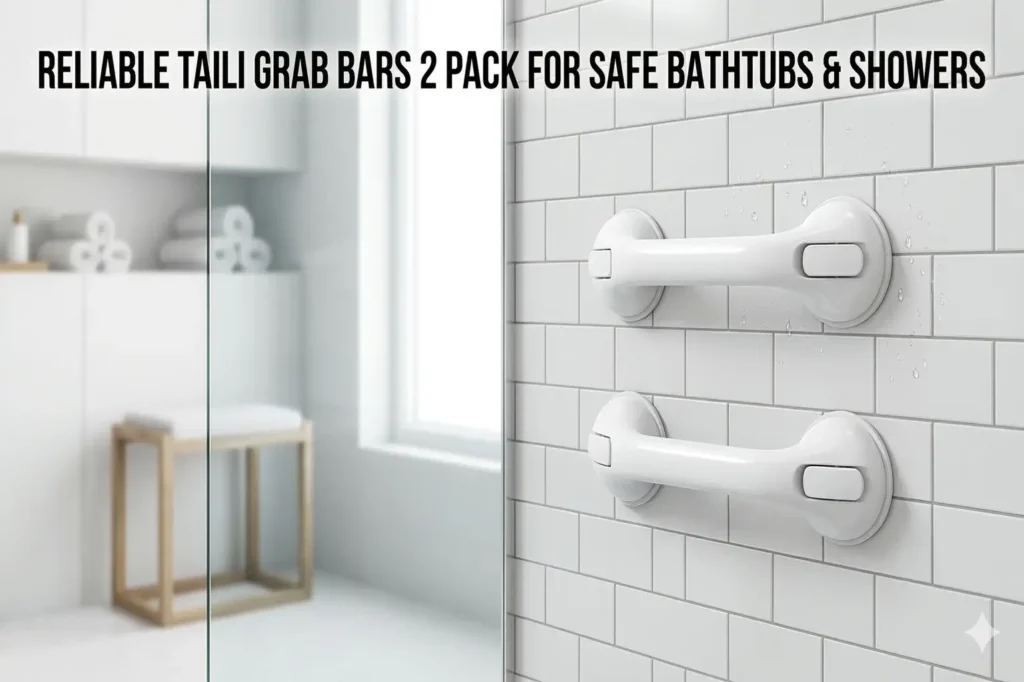
- ☐ Grab bars by the toilet and in the shower or bath (suction bars aren’t a replacement for properly fixed bars)
- ☐ Non-slip mat inside and outside the shower
- ☐ Shower chair or bath bench if standing is tiring
- ☐ Raised toilet seat or toilet safety frame if getting up is hard
- ☐ Night light on the route from bed to bathroom
More detail: bathroom safety for cane users. Product reviews: grab bars, shower chair.

Bedroom
- ☐ A lamp reachable from bed
- ☐ Cane kept in the same spot by the bed every night
- ☐ Bed at a height where your feet are flat on the floor when you sit
- ☐ Clear path to the door and the bathroom
Kitchen
- ☐ Everyday items between waist and shoulder height, so there’s no reaching up or bending down
- ☐ A sturdy step stool with a handrail, or better, no climbing at all
- ☐ A reacher/grabber for dropped items: picking things up safely
- ☐ A small trolley to carry plates and drinks: carrying things with a cane
Living room
- ☐ Chairs with armrests and firm seats: standing up with a cane
- ☐ Low coffee tables moved out of walkways
- ☐ Pets’ toys and beds out of the main path
Entrance and outside
- ☐ Outdoor lighting at the door and on paths
- ☐ A rail by the front steps
- ☐ Salt or grit ready for winter
- ☐ A seat or shelf by the door to put bags down while you find your keys
You and your cane
- ☐ Cane set to the right height: cane height calculator
- ☐ Tip in good condition: replace a worn tip
- ☐ Supportive shoes and slippers: shoes to wear with a cane
- ☐ Eyes checked regularly, and medicines reviewed with your doctor or pharmacist
Frequently asked questions
Where do most falls at home happen?
Common places include stairs, bathrooms and bedrooms, often at night or when people are rushing or carrying things.
Can I get help making my home safer?
An occupational therapist can do a home safety assessment. Ask your doctor whether this is available where you live.
Sources
- MedlinePlus: Preventing falls
- MedlinePlus: Falls