Have you ever felt unsteady on your feet or noticed that walking tires you out faster than before? Maybe you’ve wondered if a walking stick could make a difference in your daily life.
Knowing when you need a walking stick isn’t always obvious, but it can greatly improve your balance, confidence, and safety. You’ll discover clear signs that show when a walking stick could be the support you need—helping you move more comfortably and with less worry.
Keep reading to find out if it’s time to take that step toward steadier, safer walking.

Credit: www.youtube.com
Signs You Might Need Support
Knowing when to use a walking stick can improve safety and comfort. Support helps prevent falls and eases movement. Some signs show that it might be time to consider one.
These signs often come from your body’s signals. Paying attention can protect you from injuries. Here are key signs you might need support while walking.
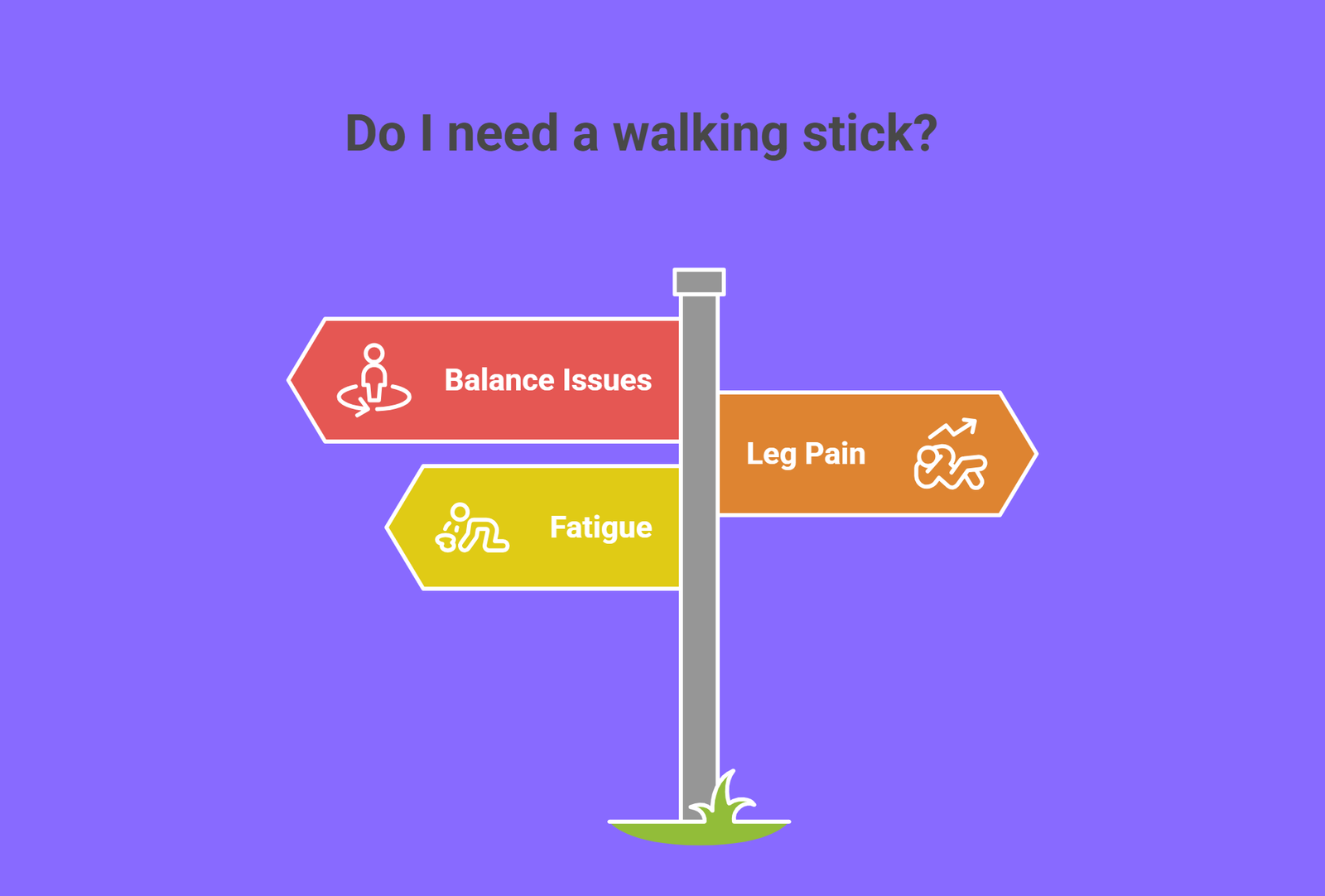
Frequent Balance Issues
Feeling unsteady while walking is a clear sign. Wobbling or swaying often means your balance is weak. Using a walking stick can help you stay steady. It reduces the risk of falling on uneven ground.
Persistent Leg Pain
Leg pain that does not go away needs attention. Pain in knees, hips, or calves can make walking hard. A walking stick takes pressure off sore joints. It helps you walk without worsening the pain.
Fatigue While Walking
Getting tired quickly during short walks is a warning. Fatigue might come from weak muscles or health issues. Support from a walking stick can ease the effort. It lets you walk longer without feeling drained.
Types Of Walking Sticks
Walking sticks come in different types. Each type serves different needs. Choosing the right one helps with balance and comfort. Understanding the common types can guide your choice.
Standard Canes
Standard canes have one tip and a straight shaft. They are light and easy to carry. These canes provide basic support for walking. People use them for mild balance problems.
Quad Canes
Quad canes have four small feet at the base. This design offers more stability than standard canes. They stand on their own when not held. Quad canes help those with stronger balance issues.
Folding Sticks
Folding sticks collapse into smaller parts for easy storage. They fit well in bags or backpacks. These sticks are great for travel or occasional use. Folding sticks combine convenience with support.
Benefits Of Using A Walking Stick
Using a walking stick offers many benefits for those who need extra support. It helps people move more safely and comfortably. A walking stick can make daily walks easier and less tiring. Here are some key benefits of using a walking stick.
Improved Stability
A walking stick gives extra balance while walking. It helps prevent falls on uneven ground. People feel steadier on stairs or slippery paths. This added support reduces the risk of accidents. It makes walking more secure and less wobbly.
Reduced Pressure On Joints
Walking sticks take some weight off hips and knees. This eases pain in joints during movement. It helps people with arthritis or joint problems. Less pressure means less discomfort and stiffness. Walking becomes less painful and more comfortable.
Enhanced Confidence
Using a walking stick boosts confidence in walking. People feel safer and less afraid of falling. It encourages longer and more frequent walks. This improves independence and freedom to move. Confidence grows with every step taken safely.
Choosing The Right Walking Stick
Choosing the right walking stick is important for comfort and safety. A well-chosen stick can make walking easier and reduce strain. The right fit helps maintain balance and support on different surfaces. Consider key features like height, material, and handle style. These factors affect how well the stick works for you.
Proper Height And Fit
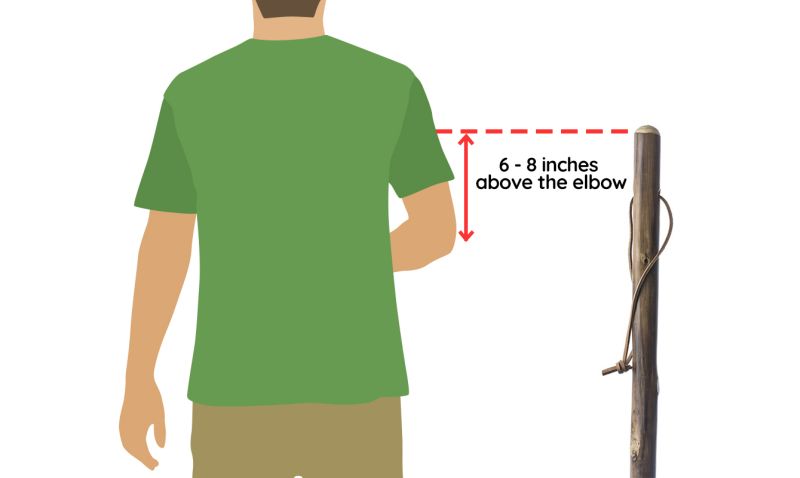
The walking stick should match your height. Stand straight and hold the stick next to your body. The handle should reach your wrist. This position keeps your arm slightly bent when holding the stick. A stick too tall or short can cause discomfort or poor balance. Adjustable sticks offer a good fit for different heights.
Material And Weight Considerations
Walking sticks come in wood, aluminum, or carbon fiber. Wooden sticks are strong but heavier. Aluminum sticks are light and durable. Carbon fiber sticks are very light and strong but cost more. Choose a weight you can carry easily all day. A heavy stick tires your arm faster. Balance weight and strength for best results.
Handle Styles
Handle shapes vary by comfort and grip. The most common handles are T-shaped, curved, and ergonomic. T-shaped handles are simple and easy to hold. Curved handles fit the palm well and offer good control. Ergonomic handles reduce hand strain during long use. Pick a handle that feels secure and natural in your hand.
When To Consult A Professional
Knowing when to get advice from a professional about using a walking stick is very important. Walking sticks help with balance and support. But using one without proper guidance can cause problems. A professional can check your needs and suggest the best option for you.
Sometimes small problems can turn into bigger ones without the right help. A doctor or therapist can find the root cause of your difficulty. They can guide you to use a walking stick correctly or suggest other aids if needed.
Physical Therapy Advice
Physical therapists see how you walk and move. They watch your balance and strength. They decide if a walking stick will help you stay steady. Therapists teach you the right way to use the stick. They also show exercises to improve your walking.
Medical Evaluation
Doctors check your health before you use a walking stick. They look for problems with bones, muscles, or nerves. A medical exam helps find if a stick is needed. The doctor may order tests like X-rays or scans. This helps in choosing the best support for you.
Custom Orthopedic Options
Some people need a walking stick made just for them. Custom sticks fit your height and walking style. Orthopedic specialists design these sticks for comfort and support. They can add special grips or adjustments. This option suits people with unique needs or injuries.

Credit: www.youtube.com
Credit: www.walkingsticks.co.uk
Frequently Asked Questions
How Do I Know If I Need A Walking Stick?
If you experience balance issues or leg weakness, a walking stick can help. It improves stability and reduces fall risk during walking.
What Are Common Signs I Should Use A Walking Stick?
Signs include frequent stumbling, joint pain, or fatigue while walking. A walking stick supports mobility and eases pressure on legs.
Can A Walking Stick Prevent Falls Effectively?
Yes, a walking stick provides extra balance and support. It helps prevent falls, especially on uneven or slippery surfaces.
When Should I Consult A Doctor About Using A Walking Stick?
Consult a doctor if you struggle with walking or feel unstable. They can recommend the right walking stick and proper usage.
Choosing to use a walking stick can improve your balance and comfort. It helps reduce strain on your legs and joints. Notice if you feel tired or unsteady while walking. A walking stick offers extra support and confidence. It can make daily activities easier and safer.
Don’t wait for pain to get worse before acting. Taking care of your mobility matters. A walking stick might be the simple tool you need. Trust your body’s signals and make the best choice for you.

Tariqul
Tariqul is a dedicated health and wellness blogger with a background in health sciences. With years of experience in patient education and health communication, he focuses on providing accurate, easy-to-understand information to help readers make informed decisions about their well-being. Passionate about bridging the gap between clinical knowledge and everyday life, Tariqu ensures his content is both practical and medically sound.