
Are you wondering if a walking stick can replace a cane for your daily support? Choosing the right walking aid is important for your comfort and safety.
You might think a walking stick and a cane are the same, but they actually serve different purposes. This article will help you understand the key differences and guide you in making the best choice for your needs. Keep reading to find out which option fits you perfectly and how it can improve your mobility.
Table Of Contents
- 1 Differences Between Walking Sticks And Canes
- 2 Benefits Of Using A Walking Stick
- 3 Advantages Of Choosing A Cane
- 4 When A Walking Stick May Not Be Enough
- 5 Tips For Selecting The Right Mobility Aid
- 6 Safety Considerations For Walking Sticks And Canes
- 7 Combining Walking Sticks And Canes
- 8 Frequently Asked Questions
Differences Between Walking Sticks And Canes
Walking sticks and canes may seem similar but serve different purposes. Knowing their differences helps choose the right one. Each offers unique features for support and style.
Design And Structure
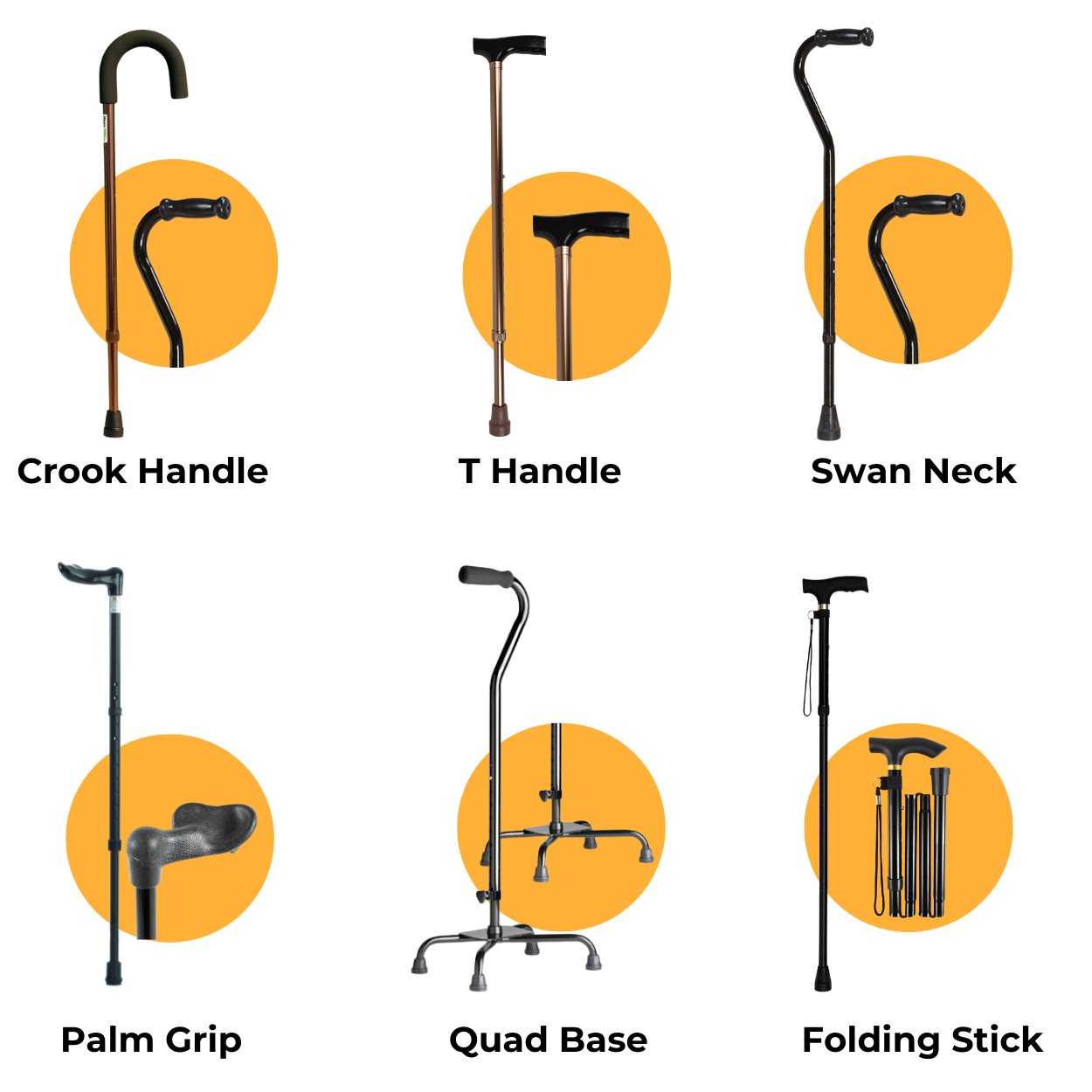
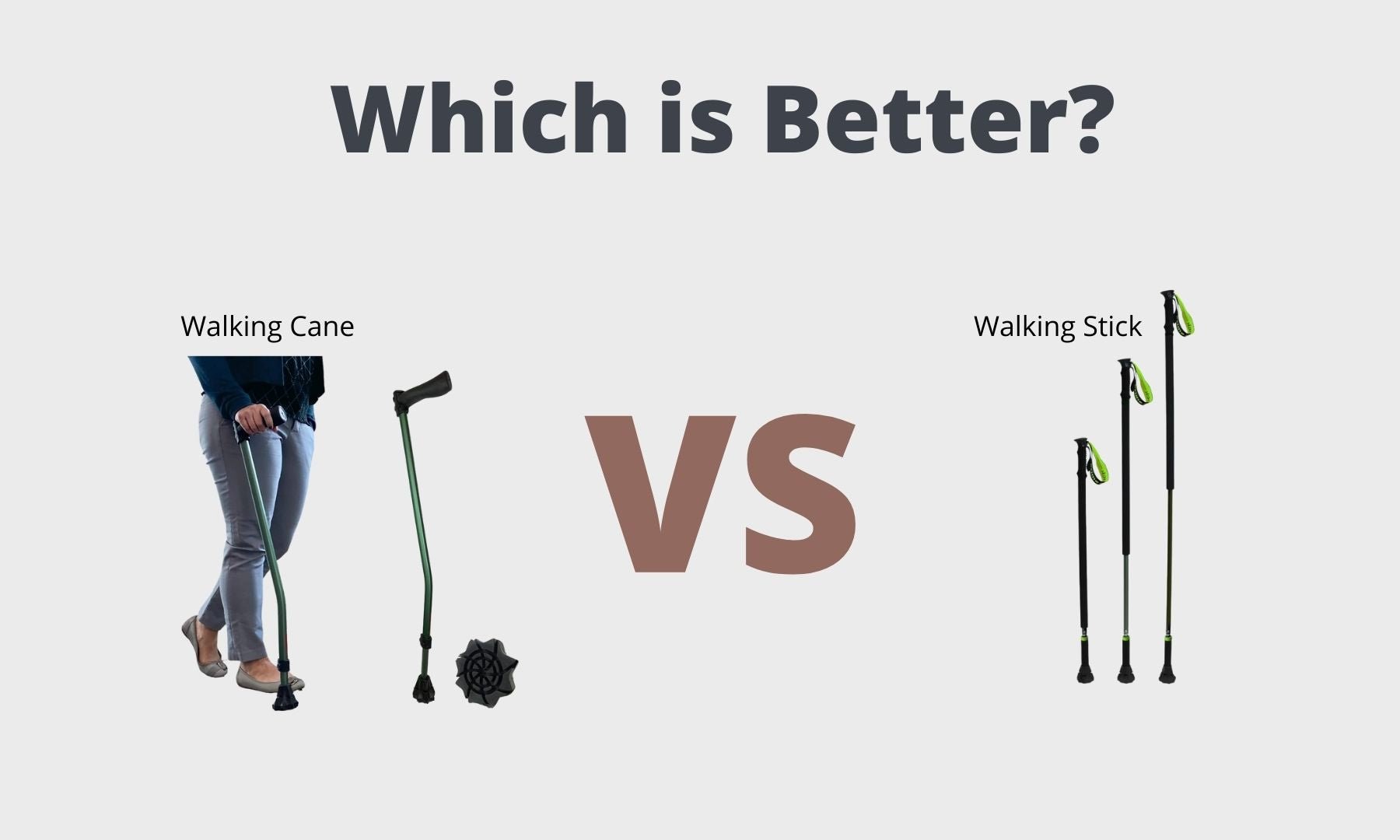
Walking sticks are usually longer than canes. They have a straight shaft with a simple handle. Canes often have a curved or ergonomic handle. This design helps grip and comfort. Canes may include extra features like rubber tips or foldable parts. Walking sticks tend to be lightweight but less specialized.
Intended Uses
Walking sticks often assist with hiking or outdoor walking. They help balance on uneven paths. Canes are mainly for medical support. People use canes to reduce pressure on weak legs or joints. Canes fit daily use and indoor walking better than sticks.
Support And Stability
Canes provide more stable support for people with mobility issues. Their handle design allows better grip and weight distribution. Walking sticks offer moderate support and help with balance. They are less stable on smooth surfaces. Canes often have wider bases for added stability.
Benefits Of Using A Walking Stick
Using a walking stick offers many benefits for daily support and outdoor activities. It provides extra help to keep balance and reduce strain on your legs. Walking sticks are easy to carry and use in different places.
These benefits make walking sticks a great choice for many people who need some extra support. They suit those who want simple, practical help while walking.
Improved Balance
A walking stick helps you stay steady on your feet. It gives extra support on uneven or slippery ground. This reduces the risk of falls and injuries. You can walk with more confidence and less fear of losing balance.
Versatility Outdoors
Walking sticks work well in many outdoor settings. They help you climb hills and cross rough paths. Many sticks have strong tips that grip the ground. This makes walking easier on trails or rocky areas.
Lightweight And Portable
Most walking sticks are light and easy to carry. You can fold or adjust many models for travel. They fit easily in bags or car trunks. This makes them handy for trips or daily use.
Advantages Of Choosing A Cane
Cane offers many benefits over a walking stick for support. It helps balance and reduces pressure on legs. Canes are designed to improve walking safety and comfort.
People who need steady support find canes more reliable. The right cane can make walking easier and less tiring. It suits different needs and body types well.
Enhanced Support
Canes provide stronger support than walking sticks. Their tips often have rubber grips to prevent slipping. This gives users more confidence on various surfaces.
The structure of a cane helps distribute weight evenly. This reduces strain on hips, knees, and ankles. It helps prevent falls and injuries during movement.
Ergonomic Handles
Canes come with handles shaped for comfort. They reduce hand fatigue and improve grip. Some handles are padded to prevent blisters and pain.
Ergonomic designs help maintain correct wrist position. This reduces the risk of strain or injury. Comfortable handles encourage longer and safer use.
Adjustability Options
Many canes have adjustable height settings. This allows users to set the perfect length for their body. Proper height improves posture and walking stability.
Adjustable canes suit different users and situations. They are easy to customize for indoor or outdoor use. This flexibility adds to their overall usefulness.

Credit: www.gentlemansgazette.com
When A Walking Stick May Not Be Enough
A walking stick offers basic support and balance. It suits people with mild or occasional mobility needs. Sometimes, a walking stick may not provide enough help. Different health situations need stronger or more stable support. Knowing when a walking stick falls short is important for safety and comfort.
Severe Mobility Issues
Severe mobility problems require solid support. People who struggle to stand or walk safely need more than a walking stick. Canes or walkers offer better balance and weight support. Walking sticks may not prevent falls or ease movement enough.
Chronic Pain Conditions
Chronic pain can make walking hard and painful. A walking stick may not reduce pain or pressure on joints. Canes with ergonomic grips or specialized designs help relieve strain. They improve walking comfort better than simple sticks.
Post-surgery Recovery
After surgery, the body is weak and healing. Walking sticks often do not give enough stability or support. Doctors usually recommend canes or crutches to protect the injured area. Proper support helps avoid falls and speeds up recovery.
Tips For Selecting The Right Mobility Aid
Choosing the right mobility aid is important for safety and comfort. Your choice affects how easily you move and how stable you feel. This section shares useful tips to help you pick the best aid for your needs.
Consider your daily activities and how much support you require. A proper fit and type make a big difference in your walking experience.
Assessing Your Needs
Think about your balance and strength levels. Notice if you need help with support or just a bit of extra balance. Check how far you walk each day and on what surfaces. Some aids work better indoors, others outdoors.
Consulting Healthcare Professionals
Talk to a doctor or physical therapist. They know which aid fits your health condition. They can guide you on the best type and height. This advice helps avoid injuries and discomfort.
Trying Different Options
Test various sticks and canes before buying. Walk around with each to feel which one suits you. Notice the grip and weight. Comfort and ease of use matter most.
Credit: medcart.com.au
Safety Considerations For Walking Sticks And Canes
Choosing between a walking stick and a cane involves safety considerations. Both tools help with balance and support during walking. Using the right one and adjusting it properly can prevent falls and injuries. Knowing how to maintain and inspect your walking aid also keeps it safe to use.
Proper Height Adjustment
Height is key for both walking sticks and canes. The top should reach your wrist when your arm hangs down. This position helps keep your body balanced. A stick or cane that is too tall or short can cause strain. Adjust the height so you stand straight without leaning forward or sideways.
Grip And Handle Comfort
Comfort in the grip affects how well you use your aid. Choose a handle that fits your hand size. Soft or padded grips reduce pressure on your palm. A good grip prevents slipping and improves control. Test different handles to find one that feels secure and easy to hold.
Maintenance And Inspection
Regular checks keep your stick or cane safe. Look for cracks, loose parts, or worn tips. Replace worn rubber tips to avoid slipping. Clean the handle and shaft to remove dirt and sweat. Tighten screws and joints to keep the tool sturdy. Proper care extends the life of your walking aid.
Combining Walking Sticks And Canes
Combining walking sticks and canes offers flexibility and support in daily life. Each aid serves a unique purpose. Using both can help you stay active and safe. This approach adjusts to different needs and environments. It helps manage balance and comfort during various activities.
Using Both For Different Activities
Walking sticks work well for hiking or uneven paths. They provide extra stability on rough terrain. Canes suit indoor use or smooth surfaces. They are lighter and easier to carry around. Using both lets you match the aid to your activity. This reduces strain and improves safety.
Transitioning Between Aids
Switching between a walking stick and a cane can feel natural. Start by using a walking stick outdoors. Then try a cane for short walks inside. Practice helps your body adjust to each aid. Take your time to find what feels best. Transitioning slowly builds confidence and balance.
Credit: dynamome.com
Frequently Asked Questions
Can A Walking Stick Replace A Cane For Support?
A walking stick can provide basic support but lacks the stability of a cane. Canes are designed for better balance and weight distribution, making them safer for mobility assistance.
Are Walking Sticks Suitable For Injury Recovery?
Walking sticks are less supportive than canes and may not be ideal for injury recovery. Canes offer more stability and are recommended for safer rehabilitation.
What Are The Main Differences Between Walking Sticks And Canes?
Walking sticks are usually simpler and used for hiking or light support. Canes have ergonomic designs, adjustable heights, and better grip for medical support and balance.
Can Using A Walking Stick Cause More Strain Than A Cane?
Yes, using a walking stick instead of a cane can cause more strain. Canes are designed to reduce pressure on joints and improve posture during walking.
Choosing between a walking stick and a cane depends on your needs. A walking stick offers basic support and balance. A cane provides more stability and weight support. Think about your comfort and safety first. Try both to see which feels better for you.
Consult a healthcare professional for advice. The right choice helps you move with confidence. Stay safe and enjoy every step you take.

Tariqul
Tariqul is a dedicated health and wellness blogger with a background in health sciences. With years of experience in patient education and health communication, he focuses on providing accurate, easy-to-understand information to help readers make informed decisions about their well-being. Passionate about bridging the gap between clinical knowledge and everyday life, Tariqu ensures his content is both practical and medically sound.