
Are you wondering whether you should choose a walking stick or a walking pole for your next outdoor adventure? It’s a common question, and the answer can make a big difference in your comfort and safety.
Both tools help you stay steady, but they work in different ways. Knowing the key differences will help you pick the right one for your needs and get the most out of your walks or hikes. Keep reading to discover how walking sticks and walking poles compare—and which one might be best for you.
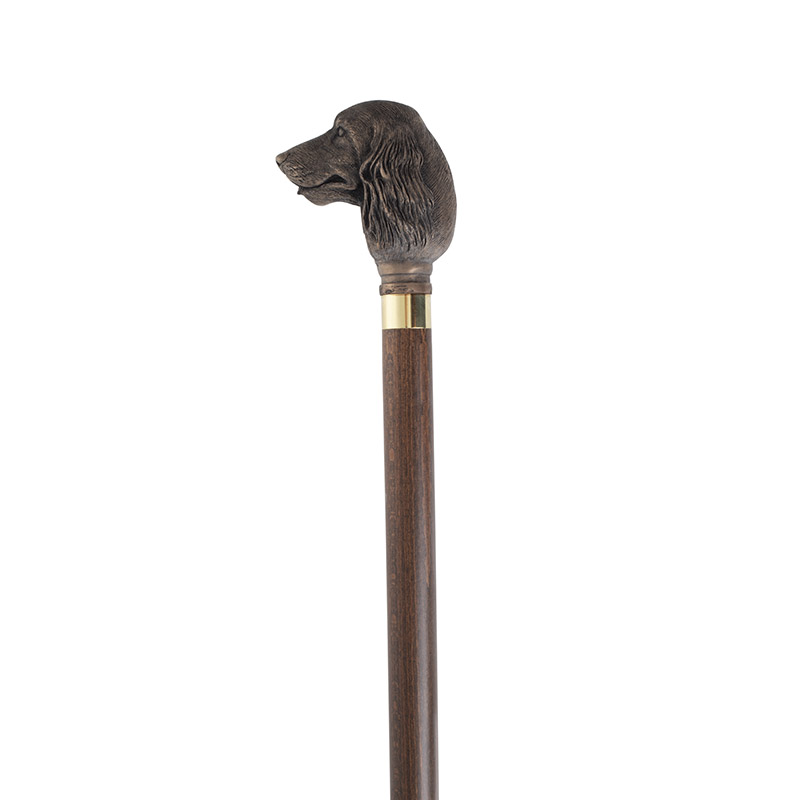
Credit: www.walkingsticks.co.uk
Key Features Of Walking Sticks
Walking sticks are common tools for support and balance. They differ from walking poles in many ways. Understanding their key features helps you choose the right one.
Design And Materials
Walking sticks usually have a simple design. They are often made from wood, metal, or carbon fiber. The handle can be straight or curved for comfort. Some sticks have a rubber tip to prevent slipping. They tend to be solid and sturdy, without extra parts.
Primary Uses
Walking sticks mainly help with balance on flat or uneven paths. People use them for light hiking or daily walking. They provide stability on rough surfaces or slippery ground. Walking sticks also work well for casual strolls and short walks.
Weight And Portability
Walking sticks are often heavier than walking poles. Their solid build adds some weight. Many do not fold or collapse easily. This can make them less portable for long trips. Still, they are easy to carry for short distances and daily use.

Credit: bristolnordicwalking.co.uk
Key Features Of Walking Poles
Walking poles have unique features that set them apart from walking sticks. These features make them helpful for different activities and users. Knowing these key features helps you choose the right tool for your needs.
Design And Materials
Walking poles usually have a telescopic design. This means they can extend and shorten easily. Most poles use lightweight materials like aluminum or carbon fiber. These materials make poles strong but easy to carry. The handles often have grips made of foam or cork. These grips help prevent slipping and add comfort.
Primary Uses
Walking poles are made for hiking, trekking, and walking on rough paths. They provide balance and reduce stress on joints. Poles help maintain a steady rhythm during long walks. They are also useful for climbing steep slopes or crossing streams. Some poles come with special tips for different surfaces like mud or snow.
Weight And Portability
Walking poles are light and easy to carry. Their telescoping design allows them to fold into small sizes. This makes packing them in a backpack simple. Many models come with straps to carry them on your wrist. The light weight reduces fatigue during long hikes. Portability is a major advantage over traditional walking sticks.
Comparing Walking Sticks And Poles
Walking sticks and walking poles help with balance and support during walks. Both aid in rough or slippery terrain but serve slightly different purposes. Understanding their features helps choose the best tool for your needs.
Support And Stability
Walking sticks offer steady support on uneven ground. They work well for casual walking or light hikes. Walking poles provide extra stability and help reduce pressure on knees. Poles are great for long treks and steep climbs.
Adjustability And Length
Walking sticks usually have a fixed length. They come in different sizes but cannot be changed easily. Walking poles have adjustable lengths. You can change them to fit different heights and terrains quickly.
Grip And Handle Types
Walking sticks often have simple wooden or rubber handles. They feel natural and comfortable in hand. Walking poles have ergonomic grips made from foam or cork. These grips absorb sweat and reduce hand fatigue during long walks.
Benefits Of Using Walking Sticks
Walking sticks offer many advantages for people of all ages. They help improve balance and stability. This lowers the risk of falls on rough or slippery surfaces. Walking sticks also reduce the pressure on knees and joints. This makes walking easier and less painful for those with arthritis or injuries.
Using a walking stick can increase your confidence during walks. It supports your body and gives a sense of safety. Walking sticks are lightweight and easy to carry. They can be used both in the city and on nature trails.
Casual Walking Aid
Walking sticks serve as a simple aid for daily walks. They help maintain a steady pace and rhythm. This can improve endurance and overall fitness. A walking stick offers support without being bulky or hard to use. People use them to feel steadier on uneven ground or steep paths.
Style And Tradition
Walking sticks carry a sense of style and history. Many cultures use decorated or carved sticks as part of their tradition. Some people choose walking sticks that reflect their personality. These sticks can be a fashion statement or a symbol of heritage. They add charm and uniqueness to every walk.
Benefits Of Using Walking Poles
Walking poles offer many benefits beyond simple support. They help improve your walking posture and reduce strain on your joints. Many people find walking poles make exercise more effective and enjoyable. Using poles can boost your confidence on uneven paths and rough terrain. They provide stability and help you keep balance. Below are two key benefits of using walking poles.
Enhanced Exercise
Walking poles increase the workout for your arms and shoulders. They engage more muscles than just walking alone. This means you burn more calories and build strength. Poles also improve your posture by encouraging you to stand tall. They reduce pressure on your knees by sharing weight. Using poles leads to a full-body workout, not just leg exercise.
Off-road And Hiking Support
Walking poles give extra stability on rough or slippery surfaces. They help you cross streams, climb rocks, and walk on mud. Poles reduce the risk of falls and injuries on uneven ground. They improve balance on steep slopes or loose gravel. Poles are useful for long hikes where fatigue can affect safety. With poles, you feel safer and more secure outdoors.

Credit: www.trespass.com
Choosing Between Walking Sticks And Poles
Choosing between walking sticks and walking poles depends on several key factors. Each tool suits different activities, skill levels, and budgets. Understanding these differences helps pick the right support for your needs. This guide breaks down the main points to consider when making your choice.
Activity Type Considerations
Walking sticks work well for casual strolls and light hikes. They provide balance and can help on uneven ground. Walking poles offer more support for intense hikes and rough terrain. They often have shock absorbers and adjustable lengths. Poles help reduce strain on knees during long walks or steep climbs.
User Experience Level
Beginners might prefer walking sticks. They are simple and easy to use. No special technique is needed. Experienced hikers often choose walking poles. Poles require learning proper use to gain full benefits. They improve stability and increase walking speed once mastered.
Budget And Preferences
Walking sticks usually cost less than poles. They are a good option for tight budgets. Poles tend to be pricier due to extra features. Choose walking sticks for a lightweight, classic feel. Pick poles if you want more control and support.
Care And Maintenance Tips
Proper care keeps walking sticks and poles safe and lasting long. Small habits help prevent damage and ensure smooth use. Cleaning and checking parts often protects your investment. Follow easy steps to maintain your gear well.
Cleaning And Storage
Wipe sticks and poles after each use to remove dirt. Use a damp cloth and mild soap for tough spots. Dry completely before storing to stop rust or mold. Store in a cool, dry place away from sunlight. Avoid leaving them in hot cars or damp areas.
Checking For Wear And Tear
Look at tips and grips regularly for cracks or damage. Check locking mechanisms to make sure they work properly. Replace worn rubber tips to keep good grip and reduce slipping. Tighten loose screws or joints before your next walk. Early fixing prevents accidents and extends gear life.
Frequently Asked Questions
What Are Walking Sticks Used For?
Walking sticks provide balance and support during casual walks or hikes. They help reduce strain on joints. They are often made from wood or lightweight materials. Walking sticks are simple, sturdy, and ideal for steadying yourself on uneven terrain.
How Do Walking Poles Differ From Walking Sticks?
Walking poles have adjustable lengths and ergonomic grips. They often include shock absorbers and wrist straps. Poles are designed for active hiking or Nordic walking. Walking sticks are usually fixed length and lack advanced features.
Are Walking Poles Better For Hiking?
Yes, walking poles offer better stability and support on rough trails. Their adjustable length and shock absorption reduce joint impact. Poles improve posture and help maintain a steady pace on uneven surfaces.
Can Walking Sticks Improve Posture?
Walking sticks encourage upright posture by providing balance. They help reduce leaning forward or slouching. This makes walking easier and less tiring, especially for those with mobility issues.
Walking sticks and walking poles help you walk better in different ways. Walking sticks offer simple support and balance. Walking poles give extra stability and help your arms work too. Choosing depends on your needs and where you walk. Both can make walking safer and easier.
Try each to see what fits you best. Walking feels better with the right tool. Keep moving and enjoy every step.

Tariqul
Tariqul is a dedicated health and wellness blogger with a background in health sciences. With years of experience in patient education and health communication, he focuses on providing accurate, easy-to-understand information to help readers make informed decisions about their well-being. Passionate about bridging the gap between clinical knowledge and everyday life, Tariqu ensures his content is both practical and medically sound.